B2B remittance is a cornerstone of international trade, allowing businesses to transfer payments across borders securely and efficiently. This comprehensive guide explores the intrinsic value and complexity of B2B remittance, shedding light on its processes, benefits, and the evolving landscape influenced by technological advancements, regulatory changes, and the need for enhanced financial infrastructure.

In the intricate world of global commerce, B2B remittance serves as a pivotal mechanism for facilitating international trade. Essentially, it involves the transfer of funds between two businesses, often spanning various currencies and countries, ensuring seamless cross-border transactions. B2B remittance is not only crucial for multinational corporations but also for small and medium enterprises (SMEs) seeking growth in the global market. Moreover, the rise of digitalization has further enhanced the significance of B2B remittance, creating opportunities for greater participation in global commerce. As economies become increasingly interdependent, the effectiveness of B2B remittance processes becomes ever more consequential for fostering international trade relationships.
B2B remittance has become increasingly essential in our interconnected world. Businesses rely on these transactions to manage supply chains, pay international suppliers, and receive payments from overseas clients. The efficiency and security of these transactions significantly influence a company's liquidity, risk management, and overall financial health. Furthermore, as businesses expand into new markets, the ability to swiftly and safely conduct cross-border payments becomes a critical factor in maintaining competitive advantage. The significance of B2B remittance extends beyond mere currency exchange; it can enhance business relationships and improve trustworthiness and reliability in cross-border dealings.
The landscape of B2B remittance is evolving rapidly, thanks to technological advancements that enhance transaction speed, security, and transparency. Here are some key technologies revolutionizing the industry:
| Technology | Impact |
|---|---|
| Blockchain | Provides a decentralized ledger for increased transparency and reduced transaction costs. Blockchain technology remains a game-changer for businesses looking to cut down on intermediary costs and mitigate risks associated with fraud. |
| Artificial Intelligence | Enhances fraud detection and streamlines transaction verification processes. AI systems can analyze historical transaction data to predict and prevent fraudulent activities. |
| APIs | Facilitates seamless integration between enterprise systems and financial service providers. By using APIs, businesses can automate many aspects of the remittance process, enhance reporting capabilities, and improve overall efficiency. |
| Machine Learning | Further improves transaction analysis and risk assessment, allowing for a more tailored approach to payment solutions. |
| Cryptocurrency | Offers alternative methods of remittance, allowing businesses to send payments with lower transaction fees and greater transaction security. While still within regulatory frameworks, cryptocurrencies present an innovative solution to many traditional remittance challenges. |
Despite technological advances, several challenges remain in the domain of B2B remittance:
Selecting the appropriate remittance provider can greatly influence transaction efficiency. Businesses must consider several factors:
The future of B2B remittance is poised for significant transformation, driven by both technological innovation and shifting market demands. With an increased focus on integration, financial institutions are likely to prioritize interoperability and collaboration with fintech firms, ensuring more inclusive and resilient financial ecosystems. Additionally, as globalization continues, B2B remittance will evolve to include new currencies, payment methods, and platforms that cater to diverse business needs. Emerging technologies, such as real-time payments and digital wallets, are also set to play a critical role in making transactions more efficient and user-friendly.
Furthermore, as sustainability becomes a focal point for businesses worldwide, there will be an emphasis on adopting environmentally friendly practices within B2B remittance processes. Companies might seek providers that demonstrate commitment to green finance principles, thereby aligning their operations with broader corporate responsibility goals. This evolution not only caters to customer expectations but also reflects a necessary adaptation to a rapidly changing global landscape.
In conclusion, B2B remittance is not just a process of transferring funds between businesses; it plays an integral role in the functioning of global trade. With advancements in technology, the nature of remittance transactions is evolving, presenting new opportunities and challenges. Businesses must remain agile, adapting their strategies to leverage the benefits of new technologies while proactively addressing the challenges associated with international payments. By doing so, they can ensure efficient cash flow, foster positive relationships with suppliers, and ultimately secure their position within the competitive global marketplace.




Payment Processing Solutions are integral to modern commerce, facilitating seamless transactions between buyers and sellers. Deploying efficient systems allows businesses to handle payments securely and quickly across various platforms, providing a crucial backbone for ecommerce and traditional retail settings. This article delves into the nuances of payment processing, offering a thorough understanding for businesses looking to enhance their transaction capabilities.
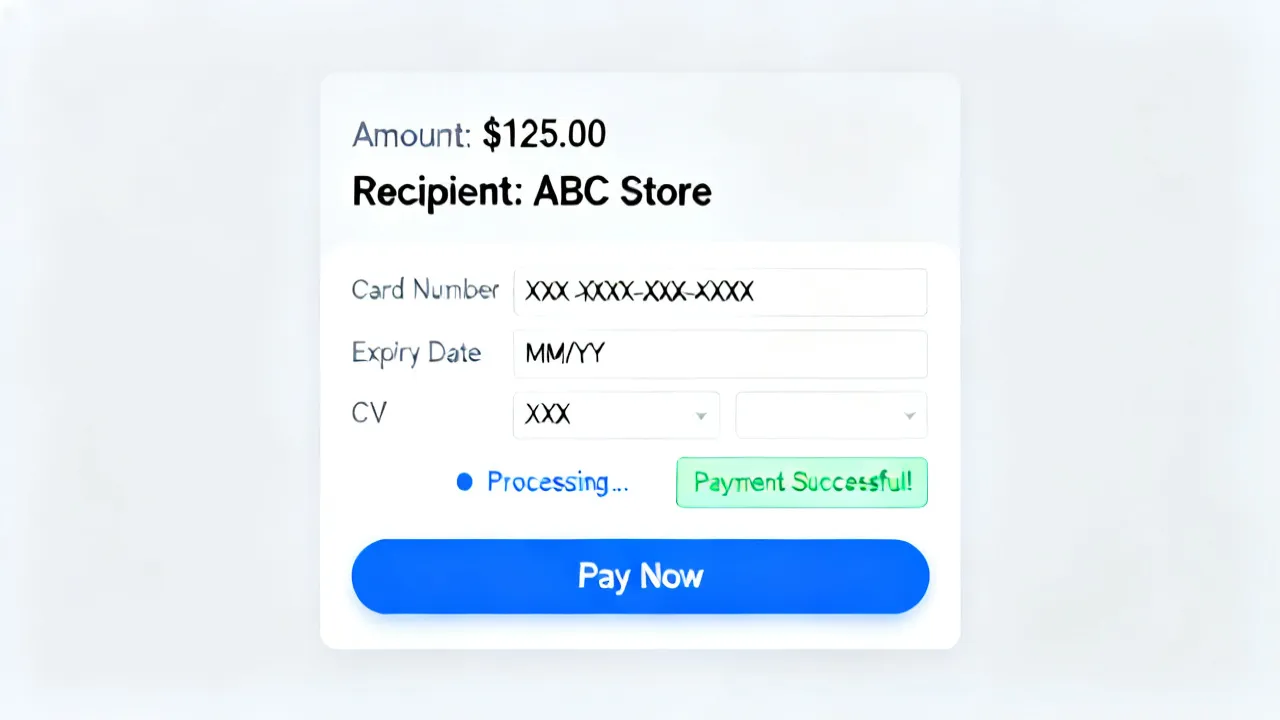
Payment processing solutions are essential systems enabling businesses to handle transactions electronically, facilitating seamless financial activity. With the growing shift towards online and contactless payments, understanding these solutions is vital for businesses to stay competitive and ensure customer satisfaction. This guide explores the intricacies of payment processing, dissecting its components and how businesses can leverage these systems to enhance efficiency and security.

This guide delves into the realm of Payment Processing Solutions, essential for businesses enduring the challenges of efficiently handling financial transactions. These solutions integrate secure, fast, and customer-friendly payment technologies that are crucial for modern commerce, whether in-store or online. By implementing tailored strategies, businesses can optimize operations, reduce costs, and enhance customer satisfaction through seamless payment experiences.
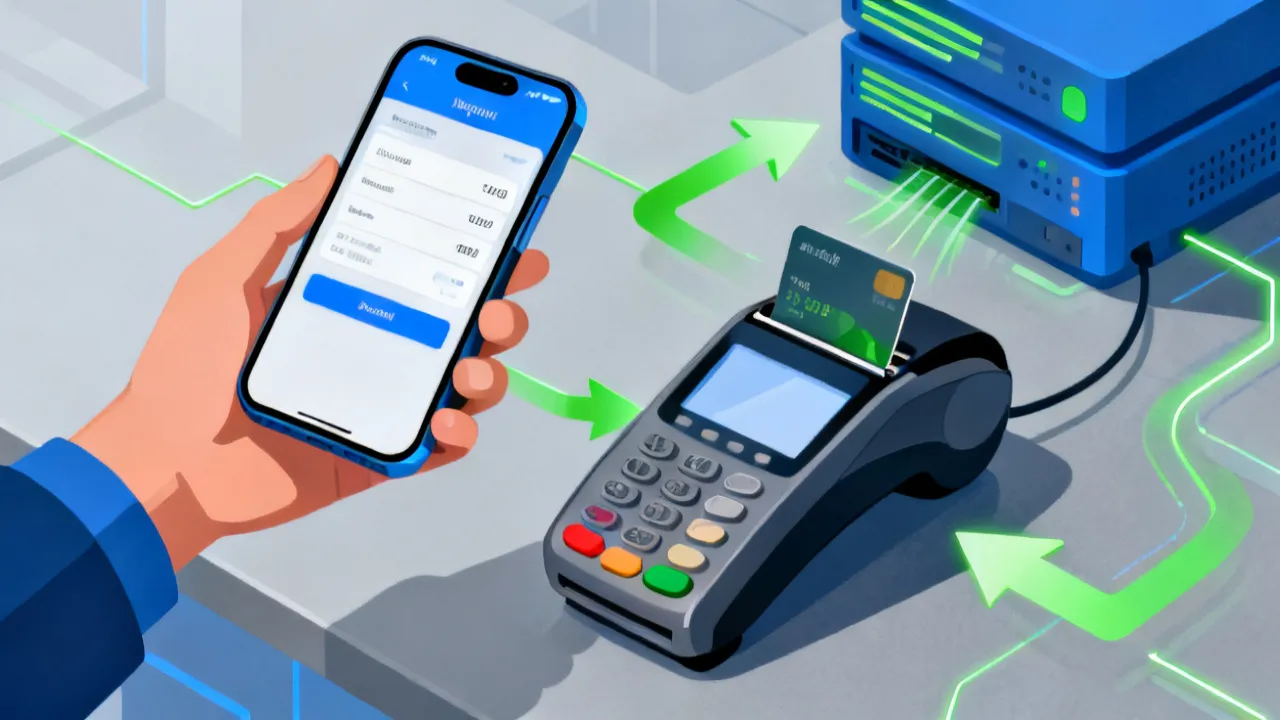
Payment processing solutions are integral to modern commerce, facilitating secure and efficient transactions for businesses worldwide. These systems handle the authorization, transaction, and fund transfer processes, ensuring a seamless experience for both merchants and consumers. From credit cards to digital wallets, they are the backbone of financial transactions, evolving rapidly with technology advances.
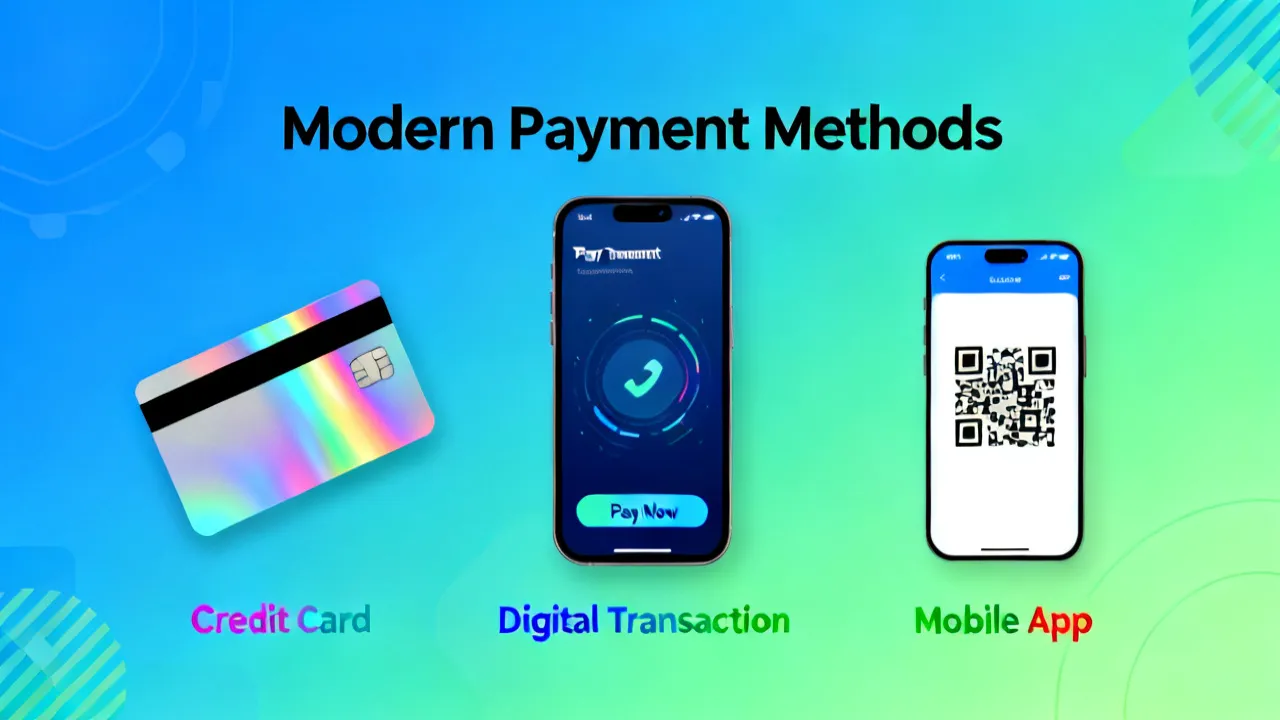
This article delves into the vital role of payment processing solutions in today’s business landscape, highlighting their importance in facilitating transactions between companies and customers. With advancements in technology, such solutions have evolved to ensure increased security, speed, and efficiency for businesses across various sectors.

This article delves into the multifaceted applications of Bps C1, exploring its significance in various industries. Bps C1 refers to a class of products or technologies utilized in several sectors, and its prominent role in streamlining processes and enhancing operational efficiency is crucial for organizations aiming for competitive advantage.

This article delves deep into the pivotal role of Bps C1 in modern data systems, providing insights into how Bps C1 functions as a unit of measurement critical for assessing data transfer rates. Bps C1 stands as a measure of bits per second within communication networks, ensuring precise data flow evaluation. In a landscape where data transfer is foundational, the comprehension of Bps C1 is indispensable for industry professionals.

This article delves into payment processing solutions—integral components of contemporary commerce. These solutions facilitate the electronic exchange of funds, streamlining transactions between buyers and sellers. With a multitude of options available, including credit card processing, digital wallets, and mobile payments, the industry has evolved into a complex landscape, necessitating careful selection based on business needs and technological trends.