A transformational CFO is pivotal in driving strategic financial change within an organization. Unlike traditional CFOs, who focus primarily on financial reporting and compliance, transformational CFOs proactively lead digital transformation and strategic innovation. They align financial goals with broader business objectives to foster robust growth and adaptability in dynamic markets.

In today's rapidly evolving corporate landscape, the role of the CFO is undergoing a significant transformation. Traditionally, the Chief Financial Officer (CFO) was primarily accountable for managing an organization's financial risks, financial planning, record-keeping, and financial reporting. This role is no longer confined to merely overseeing the financial health of the organization; it has expanded into a strategic partner who plays an integral role in driving creativity, innovation, and growth. A transformational CFO is not just a steward of financial resources but also a vital architect of organizational strategy and innovation. This role integrates various aspects, including business strategies, digital transformations, and process enhancements that drive good value.
The responsibilities of a transformational CFO include strategic planning, financial analysis, risk management, and innovation leadership. By leveraging cutting-edge technology and sophisticated data analytics tools, these CFOs can anticipate market trends and pivot business strategies effectively. This capability allows organizations to remain competitive and responsive in a fast-paced environment.
Transformational CFOs have a substantial impact on business operations, reshaping how companies function in today's competitive market. Their focus on adopting technology and leading strategic initiatives contributes to increased efficiency and offers a competitive advantage. By driving digital transformation, they enable an organization to capitalize on emerging opportunities and optimize performance. This proactive approach not only drives profitability but also enhances customer satisfaction and market responsiveness.
For instance, when a CFO takes the lead in digital transformation efforts, they often spearhead projects that automate mundane tasks, enabling employees to focus on higher-value activities. This shift not only streamlines operations but can also spur employee engagement, promoting a sense of ownership and accountability that can lead to enhanced performance across the board. Moreover, enhanced data analytics capabilities allow the organization to better understand customer preferences and market dynamics, leading to improved decision-making and strategic positioning.
The effectiveness of a transformational CFO can be seen clearly through various real-world examples and case studies. In one notable scenario, a transformational CFO at a Fortune 500 company led the organization through a comprehensive digital overhaul. By adopting advanced analytics and cloud computing solutions, the company achieved a remarkable 25% increase in operational efficiency and a significant reduction in overhead costs. This case illustrates how visionary CFOs can implement technology-driven strategies that fundamentally improve the bottom line.
Another compelling example involves a CFO who championed the implementation of an AI-driven financial forecasting tool. This strategic move enhanced predictive accuracy by providing insights that allowed for nimble responses to changing market conditions. The firm's capacity to make informed investment decisions bolstered its competitive advantage in a saturated market. Such instances reiterate the vital role transformational CFOs play in harnessing technology for strategic gains.
Furthermore, consideration should be given to the healthcare sector, where a CFO implemented a robust analytics platform that collated data from various departments. This initiative not only improved operational efficiencies within the organization but also facilitated better compliance with healthcare regulations. By allowing real-time access to financial and operational data, the CFO enabled timely decision-making, reducing the risk of costly errors and improving patient outcomes.
The path to becoming a transformational CFO involves continuous learning, adaptation, and personal development. Here are key steps in this journey:
To further elaborate on the competencies required to thrive as a transformational CFO, it is beneficial to break down key skills into a matrix. This matrix outlines essential capabilities and their applications:
| Skill | Description | Application |
|---|---|---|
| Strategic Thinking | The ability to develop effective strategies that align with organizational goals. | Facilitates long term planning and positioning in the market. |
| Technological Proficiency | Thorough understanding of financial technology and digital tools. | Enhances data analytics capabilities and operational efficiencies. |
| Leadership | Strategies to foster a collaborative work environment. | Drives innovation and encourages employee engagement. |
| Adaptability | The ability to adjust perspectives and practices in a fast-paced environment. | Allows the CFO to lead effectively through changes and challenges. |
| Communication | Skills in clearly articulating financial insights to non-financial stakeholders. | Facilitates better decision-making company-wide. |
While the role of a transformational CFO is central to the success of modern organizations, it is not without its challenges. One primary challenge is managing the balance between traditional financial responsibilities and the demands of a strategic leader. CFOs must ensure that compliance and financial governance remain intact even as they pursue innovation and growth initiatives.
Another challenge involves the integration of new technologies into existing systems. Resistance to change from staff or departments can hinder implementation and lead to inefficiencies. Transformational CFOs must work diligently to cultivate a culture that embraces change, ensuring that all employees understand the benefits of new processes and tools.
Furthermore, the ever-evolving regulatory landscape presents continuous challenges. As companies adapt to new regulations, the responsibility of ensuring compliance fall heavily on the CFO's shoulders. This includes navigating complexities in tax law, financial reporting standards, and industry-specific regulations. Staying informed about changes in legislation and ensuring that the financial team adheres to best practices is an essential component of the role.
Measuring the success of a transformational CFO can be multifaceted, relying heavily on both quantitative and qualitative metrics. Quantitative metrics may include financial indicators such as revenue growth, profit margins, and cost savings achieved through efficiency improvements. Meanwhile, qualitative measures might encompass employee satisfaction, stakeholder engagement, and the overall culture of innovation within the organization.
In evaluating financial performance, a transformational CFO may focus on metrics such as:
Qualitative success can be gauged through employee feedback and engagement surveys that measure the climate of innovation within the organization. Other qualitative metrics include peer reviews of leadership skills, feedback from cross-functional teams on collaboration efforts, and the organization’s reputation within the industry.
The role of a transformational CFO is critical in today's dynamic economic environment. By embracing technological innovation and strategic leadership, these financial leaders ensure that their organizations not only navigate but also thrive amidst market changes. As businesses continue to evolve, the transformational CFO will remain a cornerstone of sustainable growth and competitive edge. Their ability to drive innovation, mitigate risks, and align financial strategies with long-term organizational goals will undoubtedly define the future of corporate finance and governance.






Payment Processing Solutions are integral to modern commerce, facilitating seamless transactions between buyers and sellers. Deploying efficient systems allows businesses to handle payments securely and quickly across various platforms, providing a crucial backbone for ecommerce and traditional retail settings. This article delves into the nuances of payment processing, offering a thorough understanding for businesses looking to enhance their transaction capabilities.

Payment processing solutions are essential systems enabling businesses to handle transactions electronically, facilitating seamless financial activity. With the growing shift towards online and contactless payments, understanding these solutions is vital for businesses to stay competitive and ensure customer satisfaction. This guide explores the intricacies of payment processing, dissecting its components and how businesses can leverage these systems to enhance efficiency and security.

This guide delves into the realm of Payment Processing Solutions, essential for businesses enduring the challenges of efficiently handling financial transactions. These solutions integrate secure, fast, and customer-friendly payment technologies that are crucial for modern commerce, whether in-store or online. By implementing tailored strategies, businesses can optimize operations, reduce costs, and enhance customer satisfaction through seamless payment experiences.

Payment processing solutions are integral to modern commerce, facilitating secure and efficient transactions for businesses worldwide. These systems handle the authorization, transaction, and fund transfer processes, ensuring a seamless experience for both merchants and consumers. From credit cards to digital wallets, they are the backbone of financial transactions, evolving rapidly with technology advances.

This article delves into the vital role of payment processing solutions in today’s business landscape, highlighting their importance in facilitating transactions between companies and customers. With advancements in technology, such solutions have evolved to ensure increased security, speed, and efficiency for businesses across various sectors.
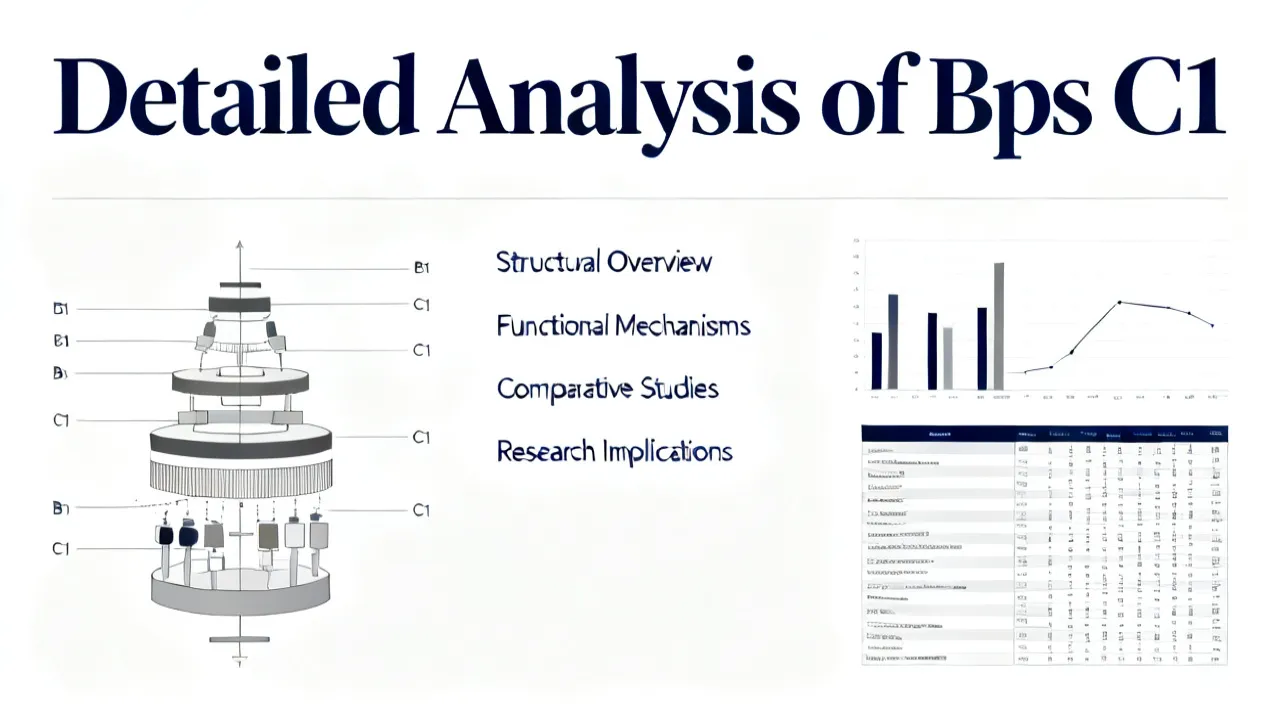
This article delves into the multifaceted applications of Bps C1, exploring its significance in various industries. Bps C1 refers to a class of products or technologies utilized in several sectors, and its prominent role in streamlining processes and enhancing operational efficiency is crucial for organizations aiming for competitive advantage.

This article delves deep into the pivotal role of Bps C1 in modern data systems, providing insights into how Bps C1 functions as a unit of measurement critical for assessing data transfer rates. Bps C1 stands as a measure of bits per second within communication networks, ensuring precise data flow evaluation. In a landscape where data transfer is foundational, the comprehension of Bps C1 is indispensable for industry professionals.

This article delves into payment processing solutions—integral components of contemporary commerce. These solutions facilitate the electronic exchange of funds, streamlining transactions between buyers and sellers. With a multitude of options available, including credit card processing, digital wallets, and mobile payments, the industry has evolved into a complex landscape, necessitating careful selection based on business needs and technological trends.