In today's rapidly evolving business environment, the role of a transformational CFO is critical. This guide explores how these CFOs drive transformative financial strategy and innovation within organizations. It delves into their responsibilities, the skills they require, and how they add value in a digital age, providing insights into how CFOs leverage technology to enhance business outcomes.

The realm of finance is undergoing unprecedented changes, and at the heart of this transformation is the role of the Chief Financial Officer, or CFO. The transformational CFO, unlike traditional CFOs who primarily manage the financial health of an organization, plays a pivotal part in driving strategic change and innovation. In a world where technology advances and data analytics become crucial, these CFOs spearhead initiatives that steer organizations towards sustainable growth and adaptability. The increasing complexity of the business landscape, driven by globalization, digital transformation, and heightened competition, necessitates a shift from reactive financial governance to proactive strategic leadership, making the role of the transformational CFO indispensable.
The transformational CFO is no longer just a number-cruncher or gatekeeper of the company's budget. Instead, they are integral to crafting and executing strategies that affect all facets of the business. Modern CFOs are expected to leverage financial data to inform key business decisions and drive the technology needed to keep the edge in competitive markets. This evolution reflects a broader transition in business leadership, where finance leaders need to exhibit not just financial acumen but also strategic foresight and adaptability to change. As organizations thrive in an environment of uncertainty, the role of the CFO has expanded to encompass far more than finance; it now includes risk management, sustainability initiatives, and community engagement, reflecting the broader impact of corporate governance on society.
Transformational CFOs are involved in multiple strategic, operational, and technological facets of a business. Below are some of their core responsibilities:
| Aspect | Traditional CFO | Transformational CFO |
|---|---|---|
| Focus | Financial Reporting and Compliance | Strategic Growth and Innovation |
| Technology Integration | Limited | Extensive |
| Role in Decision-Making | Supportive | Central |
| Risk Management | Reactive | Proactive |
| Data Utilization | Descriptive Analytics | Predictive and Prescriptive Analytics |
To fulfill their expanding roles effectively, transformational CFOs need a diverse set of skills encompassing both traditional financial management and modern strategic and technological competence. Key skills include:
As digital transformation continues, the tools used by CFOs are increasingly sophisticated. Some of the technologies driving this shift include:
The transformative impact of the CFO goes beyond just operational changes. Their strategic implications are profound, as they directly influence organizational culture, stakeholder management, and long-term sustainability. With an increasing focus on corporate social responsibility, transformational CFOs are at the forefront of integrating sustainability into financial planning. This not only positions the organization favorably in the eyes of consumers but also aligns with regulatory expectations and societal demands for ethical business practices.
Furthermore, transformational CFOs adopt a holistic view of the organization, recognizing the interconnectedness of various departments. They work cross-functionally to ensure that financial initiatives align with business objectives across marketing, operations, and human resources. This collaborative approach fosters a culture of shared responsibility for financial performance, encouraging all departments to contribute proactively to achieving organizational goals.
A: Transformational CFOs focus on strategic growth and integrating innovation, while traditional CFOs primarily handle financial reporting and compliance.
A: Companies need transformational CFOs to navigate the complexities of the digital age, streamline operations, and drive competitive advantage through strategic financial management that aligns with business-wide goals.
A: A CFO can drive transformation by implementing strategic initiatives, adopting innovative technologies, and engaging stakeholders to align on new business goals while fostering an inclusive organizational culture that embraces change.
A: Challenges include managing digital disruption, keeping up with regulatory changes, fostering an adaptive culture within the organization, and navigating external socioeconomic factors that can impact financial strategies.
The role of the transformational CFO is set to evolve even further, as the business landscape becomes increasingly complex. Key trends shaping the future of this role include:
In conclusion, the role of the transformational CFO is crucial in today's complex economic environment. As businesses continue to face rapid technological advancements and market fluctuations, having a CFO who not only understands the nuances of financial management but also embraces innovation and strategy is key to sustainable success. Transformational CFOs embody a forward-thinking approach that incorporates technology, data analysis, and cross-departmental collaboration into their financial strategies. Organizations that effectively leverage their CFO's expertise in transforming their financial operations will undoubtedly find themselves at a competitive advantage, ready to seize emerging opportunities with agility and insight. Ultimately, as the archetype of the CFO continues to evolve, so too will the expectations and contributions of these pivotal leaders in shaping the future of business.






Payment Processing Solutions are integral to modern commerce, facilitating seamless transactions between buyers and sellers. Deploying efficient systems allows businesses to handle payments securely and quickly across various platforms, providing a crucial backbone for ecommerce and traditional retail settings. This article delves into the nuances of payment processing, offering a thorough understanding for businesses looking to enhance their transaction capabilities.

Payment processing solutions are essential systems enabling businesses to handle transactions electronically, facilitating seamless financial activity. With the growing shift towards online and contactless payments, understanding these solutions is vital for businesses to stay competitive and ensure customer satisfaction. This guide explores the intricacies of payment processing, dissecting its components and how businesses can leverage these systems to enhance efficiency and security.

This guide delves into the realm of Payment Processing Solutions, essential for businesses enduring the challenges of efficiently handling financial transactions. These solutions integrate secure, fast, and customer-friendly payment technologies that are crucial for modern commerce, whether in-store or online. By implementing tailored strategies, businesses can optimize operations, reduce costs, and enhance customer satisfaction through seamless payment experiences.

Payment processing solutions are integral to modern commerce, facilitating secure and efficient transactions for businesses worldwide. These systems handle the authorization, transaction, and fund transfer processes, ensuring a seamless experience for both merchants and consumers. From credit cards to digital wallets, they are the backbone of financial transactions, evolving rapidly with technology advances.

This article delves into the vital role of payment processing solutions in today’s business landscape, highlighting their importance in facilitating transactions between companies and customers. With advancements in technology, such solutions have evolved to ensure increased security, speed, and efficiency for businesses across various sectors.
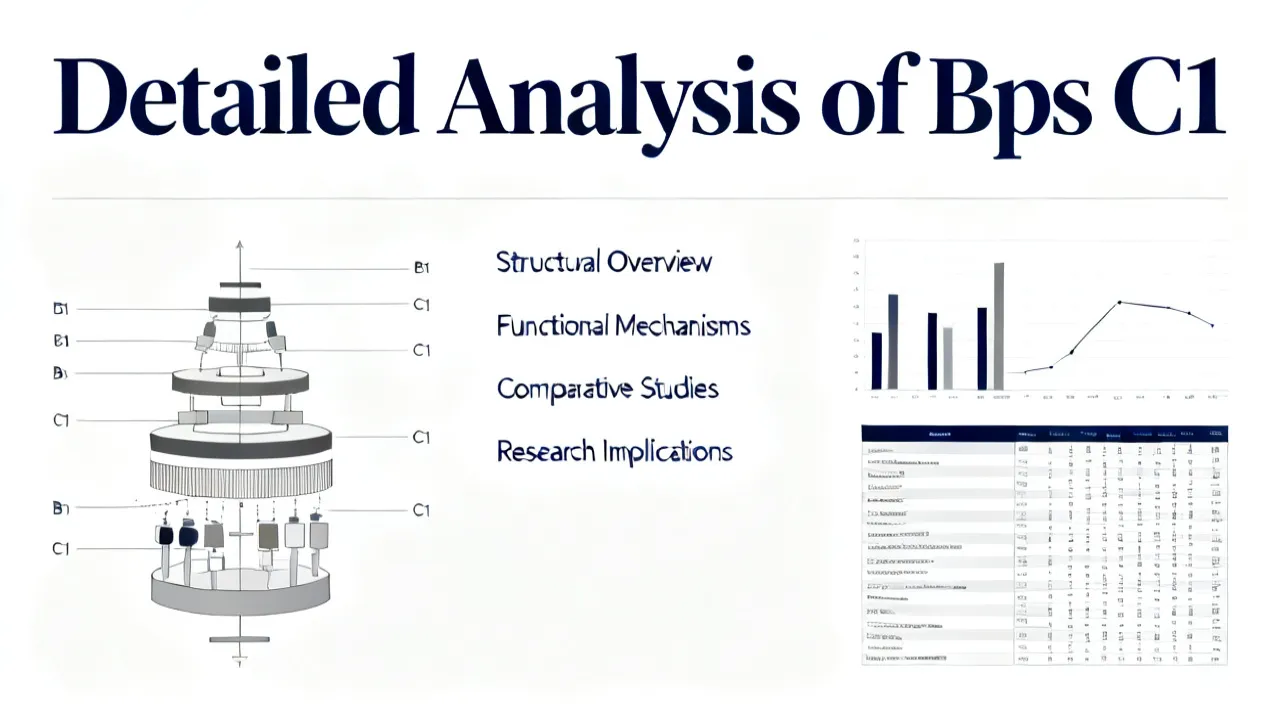
This article delves into the multifaceted applications of Bps C1, exploring its significance in various industries. Bps C1 refers to a class of products or technologies utilized in several sectors, and its prominent role in streamlining processes and enhancing operational efficiency is crucial for organizations aiming for competitive advantage.

This article delves deep into the pivotal role of Bps C1 in modern data systems, providing insights into how Bps C1 functions as a unit of measurement critical for assessing data transfer rates. Bps C1 stands as a measure of bits per second within communication networks, ensuring precise data flow evaluation. In a landscape where data transfer is foundational, the comprehension of Bps C1 is indispensable for industry professionals.

This article delves into payment processing solutions—integral components of contemporary commerce. These solutions facilitate the electronic exchange of funds, streamlining transactions between buyers and sellers. With a multitude of options available, including credit card processing, digital wallets, and mobile payments, the industry has evolved into a complex landscape, necessitating careful selection based on business needs and technological trends.