This guide delves into the critical role of a transformational CFO in today's evolving business environment. The keyword "Transformational CFO" embodies the modern financial leader who transcends traditional roles, driving strategic initiatives and fostering innovation. This article provides insights into how these CFOs shape organizational growth and adaptability, along with a detailed examination of essential strategies, challenges, and benefits.

In the contemporary corporate landscape, the role of the Chief Financial Officer (CFO) has evolved significantly beyond traditional duties like financial reporting and budget management. Today, the concept of the "Transformational CFO" is gaining prominence, signifying a shift towards strategic leadership, digital innovation, and cross-functional collaboration. This evolution is spurred by a dynamic business environment, demanding CFOs to be catalysts for change and innovation within their organizations.
Traditionally, CFOs were mainly focused on accounting, financial control, and reporting integrity. However, the transformational CFO is distinguished by a broader scope of responsibilities. They engage deeply in shaping business strategy, driving operational efficiency, and fostering a culture of innovation. Unlike their predecessors, transformational CFOs leverage technology and data analytics to generate insights, enabling better decision-making and strategic planning.
The difference in approach is evident in how these two types of CFOs approach problem-solving and strategic initiatives. Traditional CFOs might prioritize maintaining the status quo, focusing on financial stability and compliance. In contrast, transformational CFOs proactively seek opportunities for growth and improvement, aspiring to lead their organizations through change and uncertainty.
These attributes highlight the multifaceted nature of the transformational CFO's role. They not only manage financial procedures but also act as strategic partners in the organization, contributing to an overall business ecosystem that emphasizes sustainability, growth, and innovation.
While the role is pivotal, it comes with its own set of challenges. Transformational CFOs must balance innovation with risk, navigate complex regulatory environments, and ensure the seamless integration of new technologies. They also face the challenge of driving cultural change within organizations resistant to transformation.
Moreover, CFOs often encounter pushback when implementing new ideas or technologies, particularly if there is a long-standing culture of doing things in a conventional manner. This necessitates strong change management skills to facilitate buy-in across all levels of the organization. Additionally, the pressure on CFOs to demonstrate tangible results can lead to a conflict between short-term financial performance and long-term strategic investments.
Another challenge lies in data overload. With the enormous amount of data generated today, transforming this information into actionable insights can be daunting. Transformational CFOs need to develop frameworks for data governance and analytics that not only simplify the process but also enhance decision-making processes.
To succeed, transformational CFOs focus on several key strategies:
Organizations led by transformational CFOs often experience enhanced financial performance, improved strategic alignment, and greater organizational agility. They also benefit from innovative solution implementation, leading to sustained growth and competitive advantage.
For instance, companies with transformational CFOs are more adept at recognizing emerging trends and capitalizing on them before competitors. This foresight allows them to position their companies strategically in the marketplace, which can lead to increased market share and customer loyalty. Furthermore, by driving operational efficiencies, these CFOs contribute directly to the bottom line, ensuring the financial health of the organization in both good times and bad.
The cultural shift instigated by transformational CFOs can also lead to higher employee engagement. When financial teams are empowered to contribute to strategy, morale improves as team members see their value reflected in a company's success. This engagement often translates into lower turnover rates and higher productivity, benefiting the overall organization.
Consider the example of a multinational company that successfully navigated a digital transformation under the leadership of a transformational CFO. By integrating advanced analytics and automation, the company was able to streamline operations, reduce costs, and enhance customer engagement, showcasing the profound impact of a visionary CFO.
The CFO identified opportunities to automate certain financial processes, which not only saved time but also minimized human error. This efficiency gain allowed the finance team to focus on more strategic projects, such as financial planning and analysis. Through data integration, the CFO created a centralized data architecture that facilitated real-time insights into financial performance, leading to improved resource allocation and investment strategies. Moreover, by collaborating closely with other departments, the CFO ensured that the finance strategy aligned with the company's overall business objectives, resulting in a marked increase in profitability and customer satisfaction.
This case study exemplifies how a transformational CFO can redefine the finance function and lead an organization towards achieving its strategic goals. The CFO’s ability to directly influence the company's direction through financial leadership illustrates the essential role that modern CFOs play in driving business success.
Looking ahead, the role of the transformational CFO is expected to further evolve. Emphasis on sustainability, ESG (Environmental, Social, and Governance) considerations, and ethical governance will be crucial. CFOs will also increasingly leverage artificial intelligence and machine learning to make more informed financial decisions.
As the business environment becomes more interconnected, CFOs will need to take a holistic view of sustainability, integrating it into their financial frameworks. This includes understanding how sustainability initiatives affect financial performance and how financial models can be adjusted to support sustainable practices. As stakeholders, including investors, demand greater transparency regarding corporate governance and social responsibility, the transformational CFO will need to lead these initiatives effectively.
Additionally, the rise of technologies such as blockchain may redefine how CFOs approach financial transactions and audits. Blockchain promises enhanced security and transparency, making it an appealing option for CFOs looking to innovate within their organizations. This shift requires not only technical knowledge but also collaboration with IT departments to develop a comprehensive security strategy. Moreover, considering the rapid pace of technological change, CFOs must remain flexible and willing to adapt their strategies to incorporate new advancements.
In summary, the role of a transformational CFO is multifaceted, with responsibilities extending far beyond traditional financial oversight. As the business landscape continues to evolve, these executives play a critical role in steering their organizations towards greater innovation, agility, and sustainable success.






Payment Processing Solutions are integral to modern commerce, facilitating seamless transactions between buyers and sellers. Deploying efficient systems allows businesses to handle payments securely and quickly across various platforms, providing a crucial backbone for ecommerce and traditional retail settings. This article delves into the nuances of payment processing, offering a thorough understanding for businesses looking to enhance their transaction capabilities.

Payment processing solutions are essential systems enabling businesses to handle transactions electronically, facilitating seamless financial activity. With the growing shift towards online and contactless payments, understanding these solutions is vital for businesses to stay competitive and ensure customer satisfaction. This guide explores the intricacies of payment processing, dissecting its components and how businesses can leverage these systems to enhance efficiency and security.

This guide delves into the realm of Payment Processing Solutions, essential for businesses enduring the challenges of efficiently handling financial transactions. These solutions integrate secure, fast, and customer-friendly payment technologies that are crucial for modern commerce, whether in-store or online. By implementing tailored strategies, businesses can optimize operations, reduce costs, and enhance customer satisfaction through seamless payment experiences.

Payment processing solutions are integral to modern commerce, facilitating secure and efficient transactions for businesses worldwide. These systems handle the authorization, transaction, and fund transfer processes, ensuring a seamless experience for both merchants and consumers. From credit cards to digital wallets, they are the backbone of financial transactions, evolving rapidly with technology advances.

This article delves into the vital role of payment processing solutions in today’s business landscape, highlighting their importance in facilitating transactions between companies and customers. With advancements in technology, such solutions have evolved to ensure increased security, speed, and efficiency for businesses across various sectors.
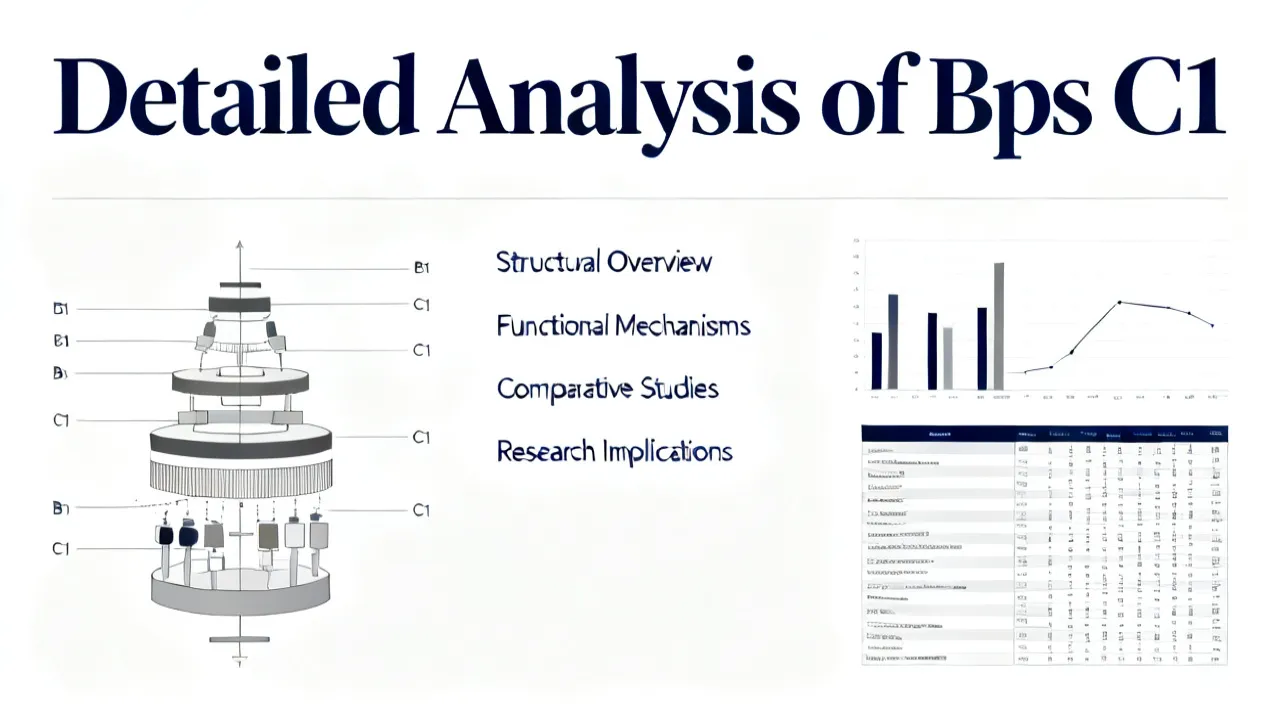
This article delves into the multifaceted applications of Bps C1, exploring its significance in various industries. Bps C1 refers to a class of products or technologies utilized in several sectors, and its prominent role in streamlining processes and enhancing operational efficiency is crucial for organizations aiming for competitive advantage.

This article delves deep into the pivotal role of Bps C1 in modern data systems, providing insights into how Bps C1 functions as a unit of measurement critical for assessing data transfer rates. Bps C1 stands as a measure of bits per second within communication networks, ensuring precise data flow evaluation. In a landscape where data transfer is foundational, the comprehension of Bps C1 is indispensable for industry professionals.

This article delves into payment processing solutions—integral components of contemporary commerce. These solutions facilitate the electronic exchange of funds, streamlining transactions between buyers and sellers. With a multitude of options available, including credit card processing, digital wallets, and mobile payments, the industry has evolved into a complex landscape, necessitating careful selection based on business needs and technological trends.