The concept of the Transformational CFO is reshaping how companies approach their financial strategies and corporate growth. As businesses navigate the complexities of the modern economic environment, CFOs are evolving from traditional roles focused on safeguarding assets and managing financial risks, to becoming pivotal agents in driving strategic transformation. This article delves into the intricacies of what it means to be a Transformational CFO, offering insight into how this role is critical in fostering innovation and competitive advantage.

As the business landscape rapidly evolves, the role of the Chief Financial Officer (CFO) has expanded beyond the realms of traditional financial management. The Transformational CFO is a key figure in steering organizations through change, leveraging financial expertise to support strategic innovation and organizational growth. This shift in expectations arises from increasing business complexities, global competition, and a trend towards digitalization in finance functions. It is essential to recognize that the modern CFO must not only be adept at managing numbers but also possesses the foresight and agility to respond to dynamic market conditions.
The Transformational CFO embodies the essence of strategic financial leadership. They play an integral role in shaping the company's future by integrating financial strategies with overall business goals. As trusted advisors to the CEO and the board, Transformational CFOs guide investment decisions while ensuring organizational stability. In an age where data-driven insights inform corporate strategy, these leaders leverage financial data to bolster operational efficiency, enhance revenue generation, and maintain competitive advantages.
The Transformational CFO is characterized by their proactive involvement in developing business strategies. Their responsibilities extend from financial stewardship to becoming a critical advisor on major business decisions, impacting areas such as technology investment, talent management, and mergers and acquisitions. They prioritize aligning the financial strategy with the company's vision, thus helping in transforming the overall corporate strategy. In addition, their role encompasses:
To fulfill these evolving responsibilities, a Transformational CFO must possess a unique blend of skills:
The evolution towards a Transformational CFO presents both significant opportunities and formidable challenges.
Based on insights from industry reports, businesses that have adopted this new model of CFO leadership have seen enhanced performance metrics, improved market competitiveness, and higher rates of employee engagement. Contrary to traditional models, the integration of strategic finance roles allows companies to swiftly adapt to market changes. For instance, organizations with Transformational CFOs have reported:
Additionally, industries that leverage the skills of Transformational CFOs often report improved financial health, revealing the importance of redefining financial leadership in the pursuit of sustained growth.
| Aspect | Traditional CFO | Transformational CFO |
|---|---|---|
| Role Focus | Financial Management | Strategic Partnerships |
| Decision Making | Risk Management | Strategic Growth |
| Technological Involvement | Limited | Extensive |
| Organizational Impact | Cost Control | Value Creation |
| Stakeholder Engagement | Minimal | Proactive |
| Innovation Emphasis | Low | High |
| Data Utilization | Descriptive | Predictive and Prescriptive |
For finance professionals aspiring to become a Transformational CFO, there are several strategic steps that can enhance their readiness:
What is the primary role of a Transformational CFO?
The primary role is to drive strategic business growth through financial innovation and leadership, beyond traditional financial management.
How does technology impact the role of a Transformational CFO?
Technology empowers CFOs to harness data for strategic insight, automate routine tasks, and improve decision-making processes. The implementation of advanced data analytics and AI significantly enhances forecasting accuracy and operational efficiency.
What are the key skills needed for a Transformational CFO?
Key skills include strategic vision, technological expertise, leadership, and excellent communication abilities to align financial strategies with business goals. Additionally, negotiation and change management skills are crucial for effective collaboration within the organizational framework.
How can a CFO transition to a transformational role?
By enhancing strategic thinking, investing in technology, cultivating leadership skills, and gaining a comprehensive understanding of the organization's functions. Participation in cross-functional projects can also provide valuable experience needed for this transition.
As companies continue to navigate an ever-changing business landscape, the role of the Transformational CFO will be instrumental in steering organizations toward innovative futures, ensuring they not only survive but thrive in the modern economy. By fostering a growth mindset and embracing the evolving nature of financial leadership, Transformational CFOs play a pivotal role in driving the sustainability and success of their organizations.
Seeing the role of the Transformational CFO in a real-world context can provide invaluable insights. Companies that have successfully embraced the concept of Transformational CFO leadership demonstrate the broad impact such leaders can have on an organization's trajectory.
Company A, a manufacturing firm that faced declining sales in a highly competitive market, turned to a Transformational CFO who had a proven track record in revitalizing financial structures. The CFO initiated a comprehensive assessment of the existing financial framework and identified key inefficiencies within the organization’s operations. By integrating cutting-edge financial technologies, the CFO was able to streamline processes, thus enhancing productivity.
Furthermore, the CFO championed a strategic realignment of resources, focusing on high-margin product lines while phasing out underperforming ones. This strategic pivot, coupled with targeted marketing campaigns to rejuvenate the brand identity, led to a remarkable recovery. Within two years, Company A reported a 30% increase in sales and substantial improvements in profit margins, all while gaining traction in market share.
Company B, an established retail chain, identified the need for digital transformation to remain competitive against emergent e-commerce rivals. Appointing a Transformational CFO who had extensive experience with digital finance, the company initiated an aggressive digital strategy. The CFO was instrumental in evaluating and investing in advanced analytics tools to enhance inventory management and customer insights, as well as implementing robust e-commerce platforms to elevate their market presence.
The CFO also focused on upskilling the finance team in data-driven decision-making processes, which allowed for real-time tracking of financial performance against digital initiatives. As a result of these coordinated efforts, Company B not only improved its operational efficiencies but saw a significant expansion of its customer base through online channels, resulting in a sales increase of 40% over three years.
These case studies underline several important takeaways:
As the world becomes increasingly interconnected and influenced by technological advancements, the role of the Transformational CFO is likely to grow in demand. Organizations will rely on these leaders to navigate complexities and drive innovation strategies that not only enhance profitability but also encourage sustainable practices. The future CFO will likely be a pivotal figure in steering organizations toward achieving their corporate social responsibility goals while maintaining financial viability.
Moreover, with the rise of environmental, social, and governance (ESG) factors influencing investing decisions, transformative CFOs will be at the forefront of integrating these dimensions into financial planning and analysis, responding to stakeholder demands for accountability and transparency.
In this rapidly transforming business environment, the ability to embrace change and pursue continuous learning will set the Transformational CFO apart. Additional skills such as agility, adaptability, and a forward-thinking mindset will be indispensable in effectively leading finance functions that align with organizational objectives.
Ultimately, the journey of a Transformational CFO is an evolution of mindset and skillset that encapsulates more than just the management of financial resources. It encompasses the ability to lead an organization into a future that is unpredictable but also filled with opportunities, making the Transformational CFO one of the most critical roles in the contemporary business ecosystem.






Payment Processing Solutions are integral to modern commerce, facilitating seamless transactions between buyers and sellers. Deploying efficient systems allows businesses to handle payments securely and quickly across various platforms, providing a crucial backbone for ecommerce and traditional retail settings. This article delves into the nuances of payment processing, offering a thorough understanding for businesses looking to enhance their transaction capabilities.

Payment processing solutions are essential systems enabling businesses to handle transactions electronically, facilitating seamless financial activity. With the growing shift towards online and contactless payments, understanding these solutions is vital for businesses to stay competitive and ensure customer satisfaction. This guide explores the intricacies of payment processing, dissecting its components and how businesses can leverage these systems to enhance efficiency and security.

This guide delves into the realm of Payment Processing Solutions, essential for businesses enduring the challenges of efficiently handling financial transactions. These solutions integrate secure, fast, and customer-friendly payment technologies that are crucial for modern commerce, whether in-store or online. By implementing tailored strategies, businesses can optimize operations, reduce costs, and enhance customer satisfaction through seamless payment experiences.

Payment processing solutions are integral to modern commerce, facilitating secure and efficient transactions for businesses worldwide. These systems handle the authorization, transaction, and fund transfer processes, ensuring a seamless experience for both merchants and consumers. From credit cards to digital wallets, they are the backbone of financial transactions, evolving rapidly with technology advances.

This article delves into the vital role of payment processing solutions in today’s business landscape, highlighting their importance in facilitating transactions between companies and customers. With advancements in technology, such solutions have evolved to ensure increased security, speed, and efficiency for businesses across various sectors.
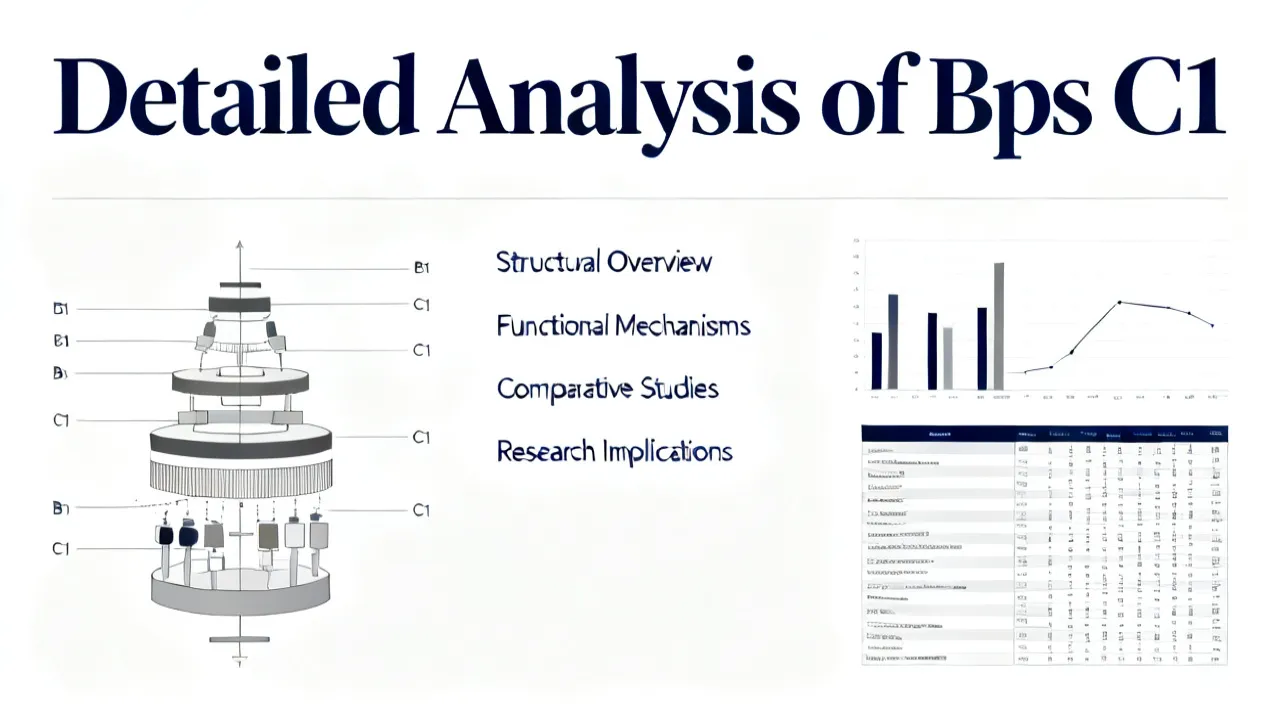
This article delves into the multifaceted applications of Bps C1, exploring its significance in various industries. Bps C1 refers to a class of products or technologies utilized in several sectors, and its prominent role in streamlining processes and enhancing operational efficiency is crucial for organizations aiming for competitive advantage.

This article delves deep into the pivotal role of Bps C1 in modern data systems, providing insights into how Bps C1 functions as a unit of measurement critical for assessing data transfer rates. Bps C1 stands as a measure of bits per second within communication networks, ensuring precise data flow evaluation. In a landscape where data transfer is foundational, the comprehension of Bps C1 is indispensable for industry professionals.

This article delves into payment processing solutions—integral components of contemporary commerce. These solutions facilitate the electronic exchange of funds, streamlining transactions between buyers and sellers. With a multitude of options available, including credit card processing, digital wallets, and mobile payments, the industry has evolved into a complex landscape, necessitating careful selection based on business needs and technological trends.