This article delves into the evolving role of the Transformational CFO, highlighting their impact on organizational success. Traditionally confined to financial oversight, today's CFOs drive strategic initiatives and foster growth, requiring a blend of financial acumen and innovative thinking. Understanding this role’s capacity in unlocking potential is essential for businesses aiming for dynamic growth.

In today's fast-paced business environment, the role of the Transformational CFO has emerged as pivotal to the strategic direction and financial health of an organization. This evolved position requires not just mastery of numbers, but also the vision to drive growth, innovation, and transformation within the company. As businesses navigate complex financial landscapes, the Transformational CFO becomes an indispensable partner in achieving sustainable success. With the rapid changes in technology and market dynamics, the need for CFOs to adapt and evolve has never been greater. By embracing change, they craft strategies that resonate well with the ever-evolving expectations of stakeholders, ensuring that the organization not only survives but thrives in competitive markets.
Being a Transformational CFO means embodying a combination of leadership, innovation, and financial expertise. Unlike traditional CFOs, these leaders have a proactive approach towards change management. They possess the ability to anticipate market trends and leverage technology to optimize business processes. A key attribute is their capability to communicate a compelling vision that aligns financial goals with broader organizational strategies. Furthermore, emotional intelligence becomes crucial; they must connect deeply with their teams and stakeholders, fostering trust and collaborative relationships. This transformative role demands agility and adaptability, as Rapid market changes require CFOs to continuously reassess and refine their strategies. Their decision-making skills are not just based on numerical data, but they are also influenced by their understanding of human dynamics and market psychology, which are crucial for effective leadership.
The Transformational CFO combines traditional financial management skills with strategic insight. They are adept at financial planning, analysis, and reporting, enabling them to provide actionable insights that influence executive decisions. This role requires CFOs to transcend spreadsheets and engage in strategic dialogues that propel the company forward. Such dialogues are often centered around growth opportunities, risk management, and investment strategies that can shape the future of the organization. Transformational CFOs are expected to think beyond the numbers and understand the business landscape as a whole. Their contributions extend into areas like developing financial models that can predict future scenarios, assessing the feasibility of new ventures, and advising on mergers and acquisitions. Their influence often ensures that financial considerations are integrated into every strategic conversation within the organization.
Digitalization is at the core of the Transformational CFO's mandate. By leveraging technologies such as cloud computing, big data analytics, and AI, these leaders drive efficiency and innovation. They ensure that their organizations are at the forefront of technological advancements, thereby unlocking potential and creating new value streams. This technological affinity is not just about adopting the latest tools; it also involves an understanding of how these technologies can align with business strategy to drive productivity and customer satisfaction. For instance, a Transformational CFO might implement automation in financial reporting processes, freeing up time for their teams to focus on strategic analysis rather than routine tasks. Additionally, they play a crucial role in ensuring cybersecurity measures are in place to safeguard the financial data of the organization, instilling confidence among stakeholders. Furthermore, they have the ability to interpret complex data into insights that inform decision-making, thus adding significant value to the executive team.
Transformational CFOs act as strategic partners to the CEO and other C-suite executives. This collaboration is essential in fostering a culture of innovation and agility. By breaking down silos and encouraging cross-functional cooperation, they enhance the overall performance of the organization, ensuring that talent and resources are optimally aligned with the strategic goals. This collaborative stance goes beyond mere participation in meetings; it involves active engagement in discussions concerning business development, strategic planning, and operational improvements. For example, by working closely with the Chief Technology Officer, the CFO can align financial resources to support digital initiatives. Similarly, collaborating with the Chief Marketing Officer can enable better financial forecasting in relation to marketing expenditures. The outcome of such relationships often leads to innovative approaches to market challenges, creating a holistic environment focused on achieving long-term success.
One burgeoning area where Transformational CFOs can make significant contributions is in integrating sustainability into financial strategies. As societal expectations shift towards greater corporate responsibility, CFOs are uniquely positioned to steer their organizations towards sustainable practices that align with financial goals. They can use their financial expertise to assess the potential return on investment for sustainable initiatives, thereby ensuring that sustainability is not just viewed as a cost but as a long-term investment. By adopting sustainable financial practices, like environmental, social, and governance (ESG) considerations into investment decisions, CFOs can help the company gain a competitive edge in the market. They can also champion practices such as sustainable reporting that detail the company's environmental impact and commitments, thereby enhancing transparency with stakeholders and building trust.
The Transformational CFO does not merely adapt to changes; they often act as change agents within their organizations. This necessitates a continuous pursuit of improvement and innovation, going beyond the traditional confines of the financial role. They are instrumental in guiding organizations through transitions such as mergers, acquisitions, and organizational restructuring. Their ability to communicate effectively about the financial implications of these changes while providing a strategic vision is crucial for ensuring smooth transitions and minimizing disruptions. Moreover, by fostering a culture of continuous improvement, they encourage their teams to remain agile and ready to embrace new challenges. This proactive stance helps organizations remain competitive and can position them favorably to take advantage of emerging opportunities quickly.
The Transformational CFO plays a critical role in ensuring that a company not only meets its financial targets but also positions itself for lasting success in a rapidly changing market. By embracing digital tools, fostering strong leadership teams, and implementing strategic initiatives, these leaders enable businesses to thrive and evolve. Companies looking to harness the full potential of transformation should invest in empowering their CFOs with the skills and resources needed to be successful in this crucial role. The evolving market landscape presents both challenges and opportunities, and the Transformational CFO is key to navigating these dynamics successfully. By championing innovation, collaboration, and sustainability, they can ensure their organizations not only survive but flourish, transforming financial management into a powerful tool for achieving strategic objectives.






Payment Processing Solutions are integral to modern commerce, facilitating seamless transactions between buyers and sellers. Deploying efficient systems allows businesses to handle payments securely and quickly across various platforms, providing a crucial backbone for ecommerce and traditional retail settings. This article delves into the nuances of payment processing, offering a thorough understanding for businesses looking to enhance their transaction capabilities.

Payment processing solutions are essential systems enabling businesses to handle transactions electronically, facilitating seamless financial activity. With the growing shift towards online and contactless payments, understanding these solutions is vital for businesses to stay competitive and ensure customer satisfaction. This guide explores the intricacies of payment processing, dissecting its components and how businesses can leverage these systems to enhance efficiency and security.

This guide delves into the realm of Payment Processing Solutions, essential for businesses enduring the challenges of efficiently handling financial transactions. These solutions integrate secure, fast, and customer-friendly payment technologies that are crucial for modern commerce, whether in-store or online. By implementing tailored strategies, businesses can optimize operations, reduce costs, and enhance customer satisfaction through seamless payment experiences.

Payment processing solutions are integral to modern commerce, facilitating secure and efficient transactions for businesses worldwide. These systems handle the authorization, transaction, and fund transfer processes, ensuring a seamless experience for both merchants and consumers. From credit cards to digital wallets, they are the backbone of financial transactions, evolving rapidly with technology advances.

This article delves into the vital role of payment processing solutions in today’s business landscape, highlighting their importance in facilitating transactions between companies and customers. With advancements in technology, such solutions have evolved to ensure increased security, speed, and efficiency for businesses across various sectors.
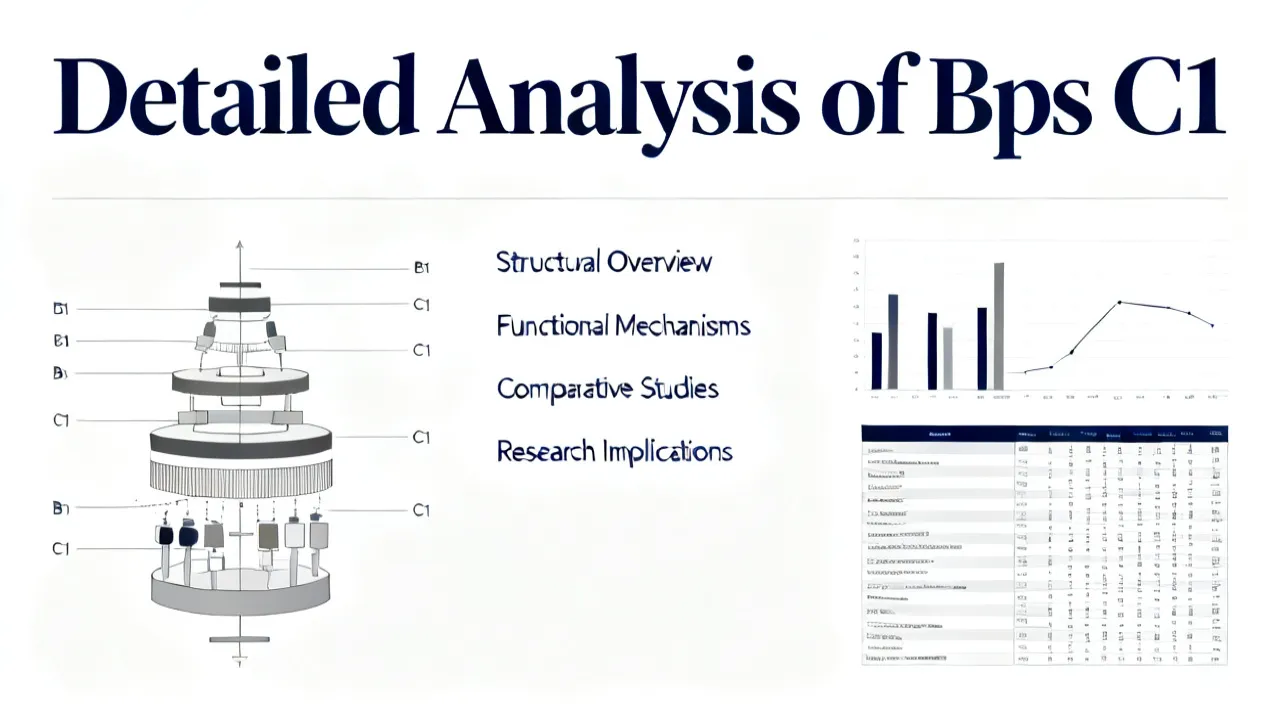
This article delves into the multifaceted applications of Bps C1, exploring its significance in various industries. Bps C1 refers to a class of products or technologies utilized in several sectors, and its prominent role in streamlining processes and enhancing operational efficiency is crucial for organizations aiming for competitive advantage.

This article delves deep into the pivotal role of Bps C1 in modern data systems, providing insights into how Bps C1 functions as a unit of measurement critical for assessing data transfer rates. Bps C1 stands as a measure of bits per second within communication networks, ensuring precise data flow evaluation. In a landscape where data transfer is foundational, the comprehension of Bps C1 is indispensable for industry professionals.

This article delves into payment processing solutions—integral components of contemporary commerce. These solutions facilitate the electronic exchange of funds, streamlining transactions between buyers and sellers. With a multitude of options available, including credit card processing, digital wallets, and mobile payments, the industry has evolved into a complex landscape, necessitating careful selection based on business needs and technological trends.