The Kti Survey provides critical insights into market trends and consumer behavior. Conducted regularly, this survey helps businesses adapt to changing environments by offering updated data on economic conditions, industry shifts, and supply chain challenges. Its comprehensive approach aids in strategic decision-making, ensuring companies remain competitive in fluctuating markets.

The Kti Survey is a vital tool used by businesses and economic policymakers to gauge industry trends and consumer sentiment. By analyzing a variety of metrics, this survey sheds light on current market conditions, economic expectations, and potential areas for growth or concern. This data is indispensable for making informed decisions in a rapidly changing global market. Additionally, its implications extend beyond individual businesses; the Kti Survey can influence governmental policy decisions, industry regulations, and economic forecasting, making it a cornerstone of strategic planning in modern economics.
At its core, the Kti Survey employs a mixed-methods approach, combining quantitative data with qualitative insights from industry leaders and consumers. This approach lends the survey a comprehensive perspective, ensuring that all relevant factors are accounted for when analyzing market dynamics. Data is collected through various channels, such as online questionnaires, face-to-face interviews, and telephone surveys, to ensure a representative sample is achieved. The quantitative aspect often involves numerical data driven by statistical measurements of consumer behavior, while qualitative insights provide contextual understanding that numbers alone may fail to capture.
Specific methodologies might include stratified sampling techniques to ensure different demographics are represented, along with longitudinal studies to track changes over time. By juxtaposing these methods, researchers are equipped to produce a multi-faceted view of the market that reflects both immediate patterns and longer-term trends. Furthermore, advancements in technology allow for more innovative data gathering techniques, such as mobile surveys and social media analytics, which can enhance the depth and breadth of the insights gained.
The Kti Survey covers several key areas, including consumer confidence, spending habits, and supply chain challenges. Recent findings indicate a shift towards digital consumption, reflecting an increasing preference for e-commerce platforms over traditional retail avenues. For example, as more consumers shift to online shopping, retailers are urged to enhance their digital platforms and optimize their online customer experiences. Furthermore, the rise of mobile commerce, where purchases are made via smartphones and tablets, signifies a substantial change in consumer behavior. Companies that fail to adapt to this digital-first mindset may find themselves struggling to retain market share.
Additionally, the survey highlights ongoing challenges in logistics and supply chain management, exacerbated by global disruptions. Businesses are urged to take strategic steps to mitigate these disruptions, such as diversifying supply sources and investing in digital logistics solutions. To illustrate, companies may consider forming partnerships with multiple suppliers across different geographic areas to reduce reliance on any single source, thus enhancing resilience. Utilizing modern supply chain technologies, such as AI-based forecasting and blockchain for transparency, can further streamline operations and optimize inventory management.
The data garnered from the Kti Survey plays a crucial role in dictating economic policies and business strategies. Industries such as manufacturing, retail, and technology frequently utilize this data to develop adaptive strategies that can anticipate and respond to economic downturns or booms. For instance, during periods of economic uncertainty, data indicating a decrease in consumer confidence can prompt businesses to adjust their marketing strategies, budget for downturns, or even diversify their offerings to meet changing demands. The survey also underscores the necessity for businesses to stay agile and informed, allowing them to pivot swiftly in the face of unforeseen market shifts.
Case studies from recent Kti Survey findings show that companies with a proactive approach based on survey insights tend to have better outcomes during economic fluctuations. For example, firms that accelerated their digital transformation strategies in response to consumer trends uncovered through the survey found themselves better positioned to compete post-recession. Moreover, businesses that invest in understanding and responding to consumer sentiment, as captured by the Kti Survey, can enhance customer loyalty and improve their market resilience.
| Section | Description |
|---|---|
| Consumer Sentiment | Measures confidence levels and spending intentions among consumers. |
| Market Trends | Tracks emerging trends in various sectors to predict future shifts. |
| Supply Chain Analysis | Examines logistical challenges and recommends strategies for improvement. |
| Digital Transformation | Explores the shift towards digital platforms and its impact on business models. |
| Consumer Behavior | Analyzes changing preferences and habits among different demographic groups. |
Businesses can leverage the insights from the Kti Survey by aligning their strategies with the identified consumer and market trends. For instance, retail companies can refine their product offerings based on shifting consumer preferences, while manufacturers can streamline operations to address supply chain bottlenecks. Additionally, financial institutions may use consumer sentiment data to modify lending practices and interest rates. By taking these data-driven approaches, businesses can better align their operational strategies with market realities, enhancing their overall efficiency and effectiveness.
Moreover, the Kti Survey can inform marketing campaigns by providing insights on which demographics exhibit higher confidence levels or spending intentions. This data can help businesses tailor their advertising strategies, choosing the right channels and messages to reach their target audiences effectively. For example, if the survey indicates younger consumers are more optimistic about their financial futures, brands targeting that demographic might focus on products that appeal to their aspirations, using social media and influencer partnerships to maximize reach.
Businesses can also use the insights from the Kti Survey to identify potential areas for expansion or innovation. By analyzing which sectors show significant growth potential, firms can position themselves to capitalize on emerging trends early on. Whether it is investing in green technologies, developing new digital platforms, or exploring new geographical markets, proactive businesses can stay ahead of the competition.
In today's fast-paced economic environment, the Kti Survey serves as an invaluable resource for understanding broader market dynamics. By providing timely insights into consumer behavior and economic conditions, the survey assists businesses in crafting strategies that are resilient to change. It offers a clear benchmark against which performance can be measured and expectations set. Adopting insights from such credible surveys is a step towards ensuring good competitive advantage and market relevance.
Ultimately, the Kti Survey exemplifies the intersection of data and decision-making, illustrating how organizations can harness insights for long-term growth and sustainability. As industries continue to evolve in response to economic forces, the Kti Survey will undoubtedly remain a key player in shaping the landscape of informed business practices and policies.
In conclusion, the Kti Survey not only acts as a mirror reflecting the current state of the economy but also serves as a compass guiding businesses toward future opportunities. Leveraging its comprehensive findings allows companies to navigate the complexities of the market with confidence, ensuring they remain agile and competitive in an ever-changing economic landscape.





Payment Processing Solutions are integral to modern commerce, facilitating seamless transactions between buyers and sellers. Deploying efficient systems allows businesses to handle payments securely and quickly across various platforms, providing a crucial backbone for ecommerce and traditional retail settings. This article delves into the nuances of payment processing, offering a thorough understanding for businesses looking to enhance their transaction capabilities.
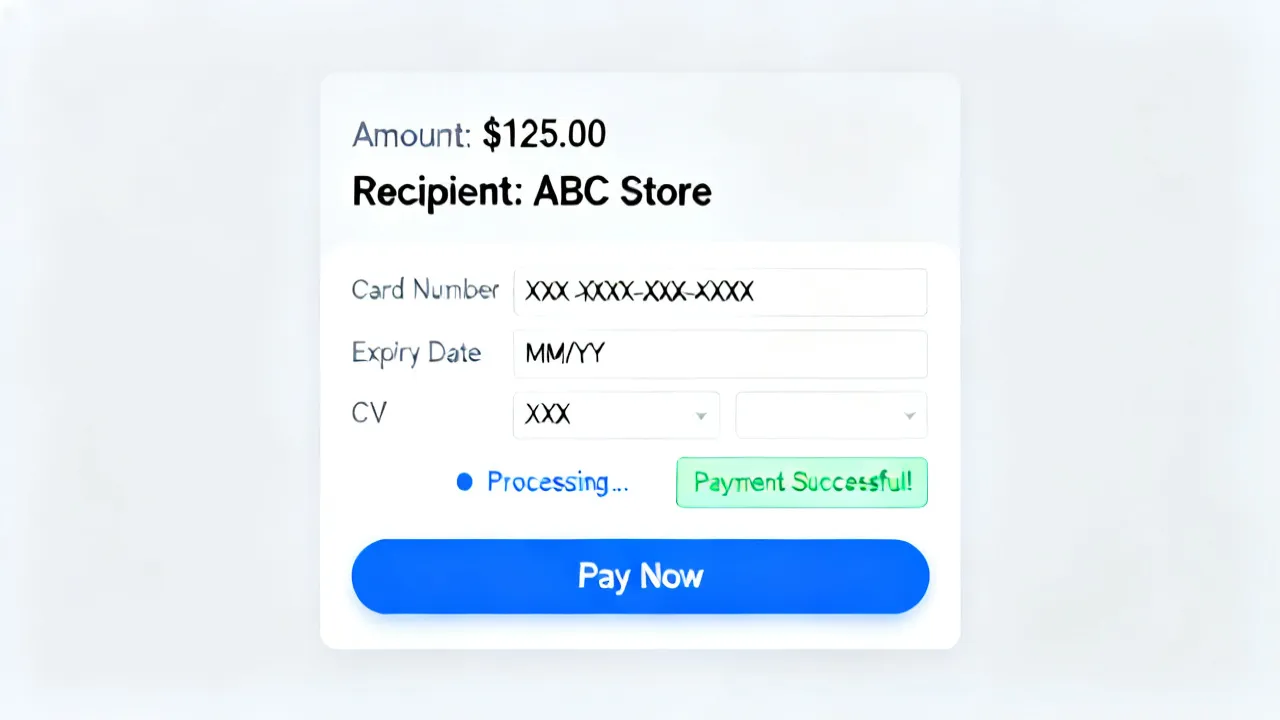
Payment processing solutions are essential systems enabling businesses to handle transactions electronically, facilitating seamless financial activity. With the growing shift towards online and contactless payments, understanding these solutions is vital for businesses to stay competitive and ensure customer satisfaction. This guide explores the intricacies of payment processing, dissecting its components and how businesses can leverage these systems to enhance efficiency and security.

This guide delves into the realm of Payment Processing Solutions, essential for businesses enduring the challenges of efficiently handling financial transactions. These solutions integrate secure, fast, and customer-friendly payment technologies that are crucial for modern commerce, whether in-store or online. By implementing tailored strategies, businesses can optimize operations, reduce costs, and enhance customer satisfaction through seamless payment experiences.
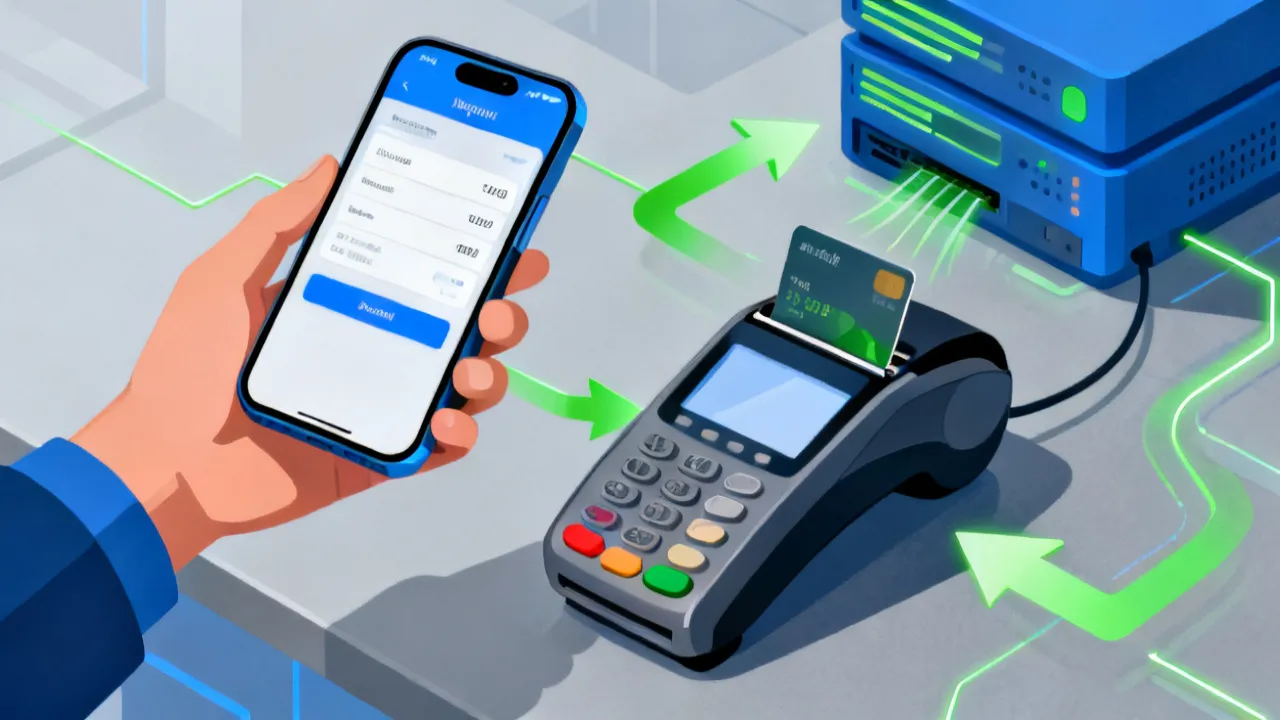
Payment processing solutions are integral to modern commerce, facilitating secure and efficient transactions for businesses worldwide. These systems handle the authorization, transaction, and fund transfer processes, ensuring a seamless experience for both merchants and consumers. From credit cards to digital wallets, they are the backbone of financial transactions, evolving rapidly with technology advances.
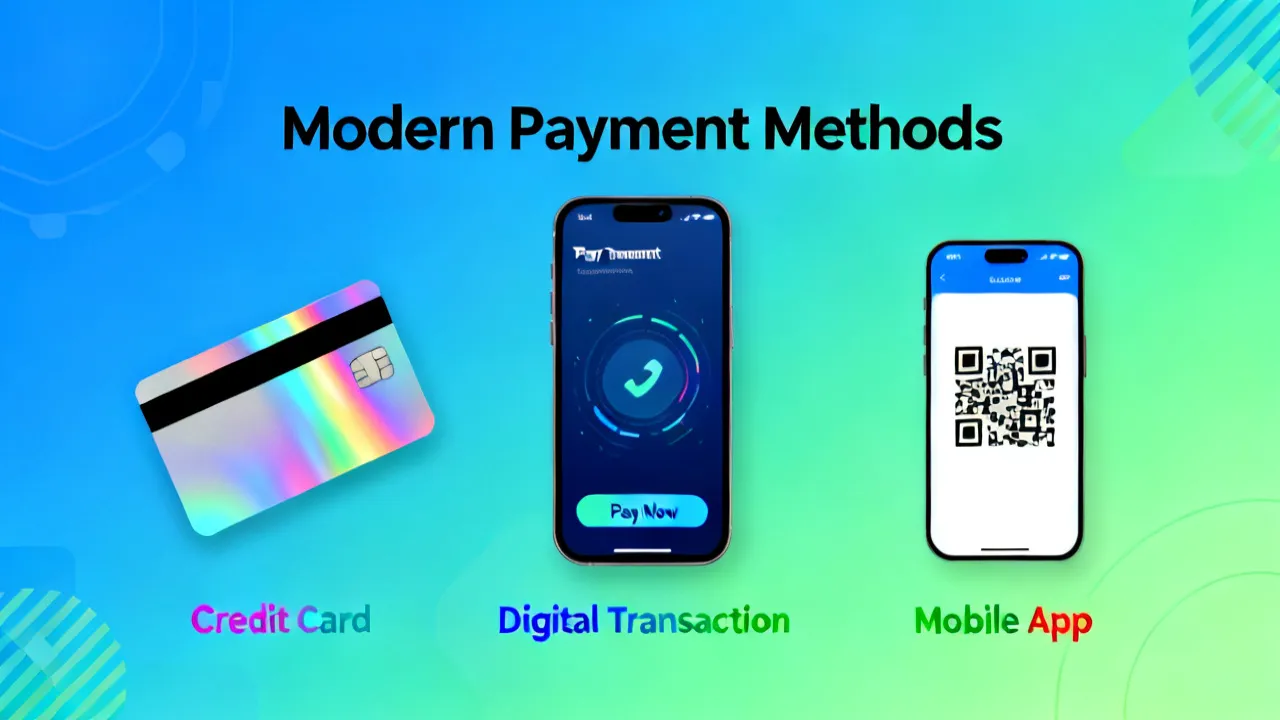
This article delves into the vital role of payment processing solutions in today’s business landscape, highlighting their importance in facilitating transactions between companies and customers. With advancements in technology, such solutions have evolved to ensure increased security, speed, and efficiency for businesses across various sectors.
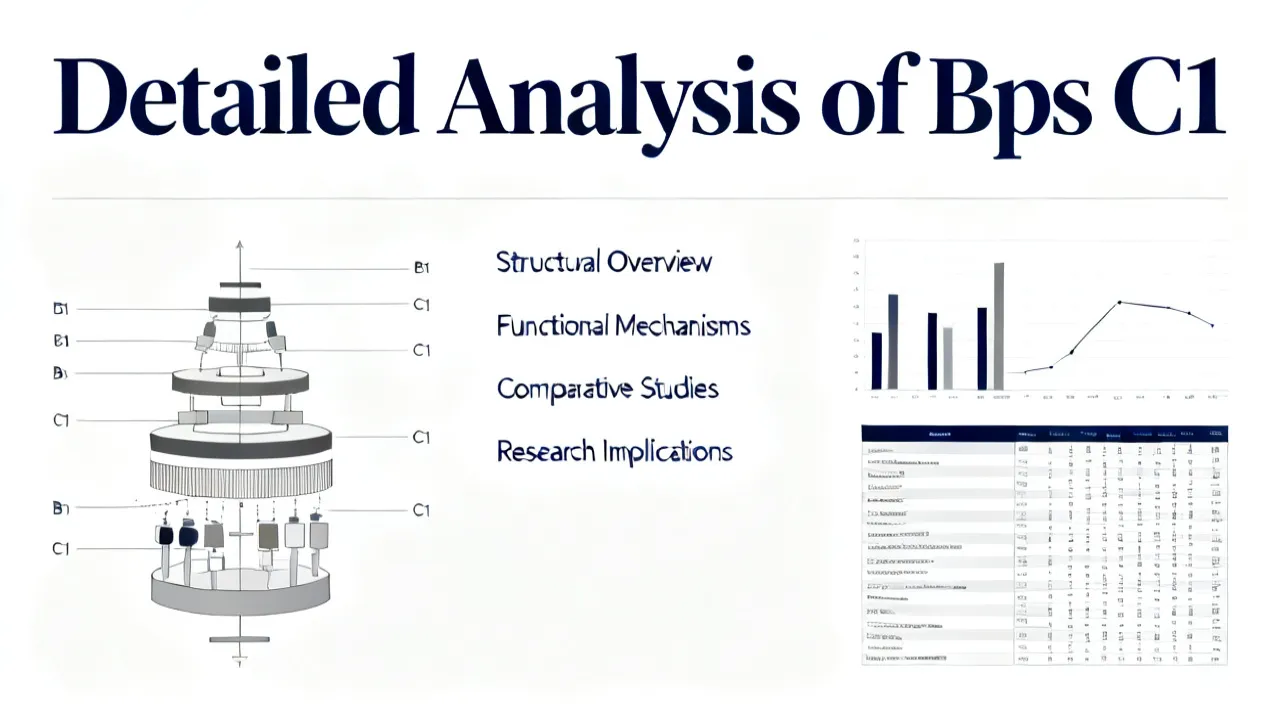
This article delves into the multifaceted applications of Bps C1, exploring its significance in various industries. Bps C1 refers to a class of products or technologies utilized in several sectors, and its prominent role in streamlining processes and enhancing operational efficiency is crucial for organizations aiming for competitive advantage.

This article delves deep into the pivotal role of Bps C1 in modern data systems, providing insights into how Bps C1 functions as a unit of measurement critical for assessing data transfer rates. Bps C1 stands as a measure of bits per second within communication networks, ensuring precise data flow evaluation. In a landscape where data transfer is foundational, the comprehension of Bps C1 is indispensable for industry professionals.

This article delves into payment processing solutions—integral components of contemporary commerce. These solutions facilitate the electronic exchange of funds, streamlining transactions between buyers and sellers. With a multitude of options available, including credit card processing, digital wallets, and mobile payments, the industry has evolved into a complex landscape, necessitating careful selection based on business needs and technological trends.