This comprehensive guide uncovers the functions and features of Worldpay Payfac, a renowned payment facilitating service. Worldpay Payfac offers an integrated approach to payment processing, making it easier for businesses to manage transactions. Designed to simplify the complexities of payment systems, Worldpay Payfac has become a critical service for various industries, streamlining the automated handling of financial exchanges.
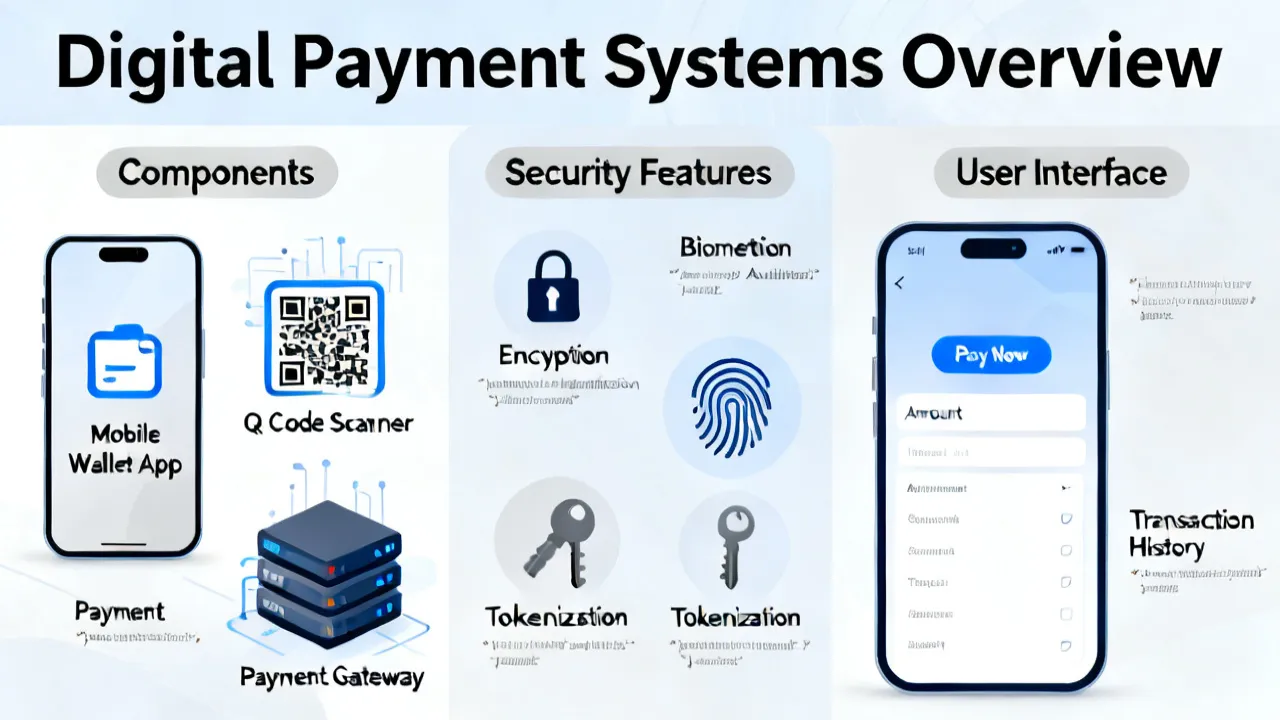
In the modern financial ecosystem, simplifying payment processes is pivotal for business success. In this context, Worldpay Payfac has emerged as a transformative solution. Acting as a pivotal bridge in transaction processing, Worldpay Payfac provides comprehensive payment facilitation services that consolidate various complex operations into one streamlined system. Through these services, merchants can efficiently manage their transactions while ensuring their operations run smoothly. As technology advances, the role of payment facilitators like Worldpay Payfac only increases in significance, directly impacting how businesses engage with their customers and navigate the competitive landscape of their industries.
Worldpay Payfac stands out due to its robust functionality in facilitating merchant payments. By leveraging the Payment Facilitator model, it enables businesses to onboard merchants quickly, reducing the traditional complexities associated with merchant account services. This improved efficiency is crucial in today's fast-paced market environment where speed and reliability are vital. Furthermore, the platform integrates seamlessly with various e-commerce solutions and point-of-sale systems, enhancing operational fluidity. It allows businesses to accept diverse types of payments ranging from credit and debit cards to alternative payment methods, catering to a wider customer base.
Worldpay Payfac's architecture prioritizes flexibility, allowing businesses to customize their payment solutions to suit their operational needs. The modular approach to payment processing means that companies can select features and integrations that align with their unique goals, ensuring that they are not only adopting industry-standard functionalities but also tailoring them according to specific requirements. This level of customization is integral for businesses seeking competitive advantages through differentiated customer experiences.
Adaptation to ever-changing market dynamics is essential for business longevity. Worldpay Payfac not only provides a technological platform for transaction facilitation but also offers adaptable features that align with emerging payment trends. This adaptability ensures that companies utilizing Worldpay services are well-prepared for future advancements in digital payments, keeping them at the forefront of innovation.
In an age where consumer preferences shift rapidly, having the ability to implement new payment methods—such as digital wallets, cryptocurrencies, and contactless payments—can provide businesses with a significant edge. Worldpay Payfac actively monitors market trends and integrates these emerging technologies into its platform, allowing merchants to cater to evolving customer demands. For instance, as more customers prefer mobile payments, Worldpay Payfac provides the functionalities necessary for businesses to accept payments seamlessly through mobile interfaces. This positions businesses to not only respond to current consumer behaviors but also anticipate future needs.
| Feature | Worldpay Payfac | Traditional Payment Processors |
|---|---|---|
| Onboarding Speed | Rapid, Days | Slow, Weeks |
| Transaction Management | Integrated, Flexible | Separated, Rigid |
| Security Features | Advanced, Comprehensive | Standard |
| Cost Structure | Transparent, Bundled | Variable, Often Hidden Fees |
| Customer Support | 24/7 Access | Limited Hours |
Worldpay Payfac's impact is visible across a diverse array of industries, from retail to digital services. Its services have provided measurable benefits such as reduced operational costs and enhanced customer satisfaction levels. These efficiencies translate to competitive advantages, allowing businesses to allocate resources more effectively and grow their customer bases.
In the retail space, for example, businesses using Worldpay Payfac can quickly adapt their checkout processes to include various payment methods. A brick-and-mortar store can easily implement mobile payment options compatible with Worldpay, facilitating faster transactions and reducing wait times for customers. The ease of attachment to a digital interface for e-commerce businesses allows them to reach a more extensive and varied clientele, where customers expect diverse payment options as part of their shopping experience.
Similarly, the service is equally beneficial in the subscription-based business model, such as SaaS platforms. Companies in this domain utilize Worldpay Payfac to manage recurring billing processes efficiently. The automated billing capabilities enhance customer retention through seamless payment experiences, thereby increasing lifetime value as clients do not face interruptions or payment failures.
Moreover, businesses operating in the gig economy, such as ride-sharing or freelance platforms, depend on the rapid processing of transactions due to their inherently transient nature. With Worldpay Payfac, these businesses can ensure that service providers receive their earnings promptly, facilitating trust and security in a competitive marketplace.
While Worldpay Payfac provides numerous benefits, potential users must consider associated challenges. Integration with existing systems requires technical expertise, and initial adjustments may necessitate an investment of resources. Many companies struggle initially as they transition from older systems to integrated payment solutions, which can result in temporary disruptions to business operations. Organizations should prepare for this initial phase and offer training to their staff to ensure smooth operations.
Additionally, companies must evaluate the suitability of Worldpay's services relative to their unique needs and transaction volumes. Not all businesses will find the same advantages in utilizing Worldpay Payfac; thus, conducting thorough research and possibly engaging in pilot testing with the platform may be prudent before making a full commitment. Businesses with niche industry requirements may find that while Worldpay Payfac offers an impressive suite of tools, they might require additional functionalities tailored specifically to their operational needs. In such cases, organizations should actively communicate with Worldpay’s support teams to explore available customizations.
Looking towards the future, Worldpay Payfac is poised to continue its trajectory of advancement in the payment industry. By embracing technological innovations and responding to the needs of modern businesses, Worldpay Payfac remains a fundamental component for enterprises seeking efficient and secure payment solutions. As consumer behaviors evolve and new technological advancements arise, Worldpay Payfac is likely to adapt its offerings to remain competitive, new features such as AI-driven analytics may emerge, providing businesses with insights into consumer behavior and spending patterns. With innovations like these, Worldpay’s role as a payment facilitator not only supports businesses in their current operations but also positions them to thrive in the dynamic environment of digital commerce.




Payment Processing Solutions are integral to modern commerce, facilitating seamless transactions between buyers and sellers. Deploying efficient systems allows businesses to handle payments securely and quickly across various platforms, providing a crucial backbone for ecommerce and traditional retail settings. This article delves into the nuances of payment processing, offering a thorough understanding for businesses looking to enhance their transaction capabilities.
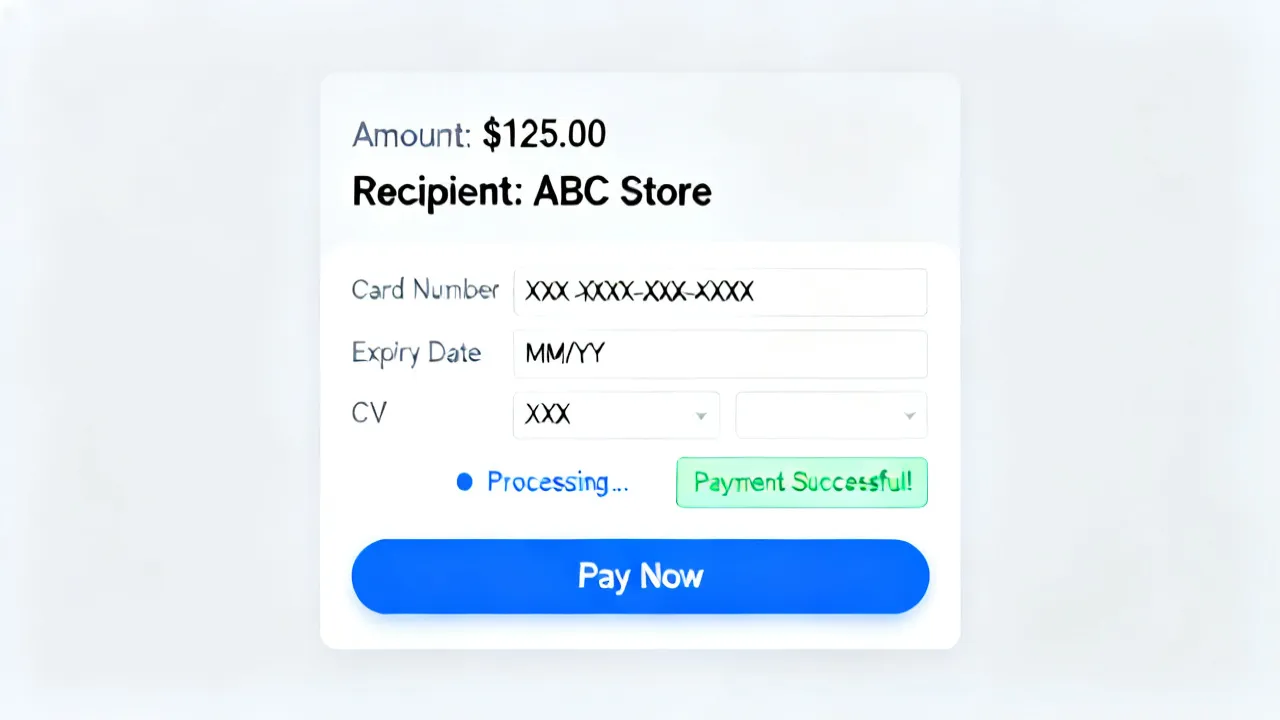
Payment processing solutions are essential systems enabling businesses to handle transactions electronically, facilitating seamless financial activity. With the growing shift towards online and contactless payments, understanding these solutions is vital for businesses to stay competitive and ensure customer satisfaction. This guide explores the intricacies of payment processing, dissecting its components and how businesses can leverage these systems to enhance efficiency and security.

This guide delves into the realm of Payment Processing Solutions, essential for businesses enduring the challenges of efficiently handling financial transactions. These solutions integrate secure, fast, and customer-friendly payment technologies that are crucial for modern commerce, whether in-store or online. By implementing tailored strategies, businesses can optimize operations, reduce costs, and enhance customer satisfaction through seamless payment experiences.
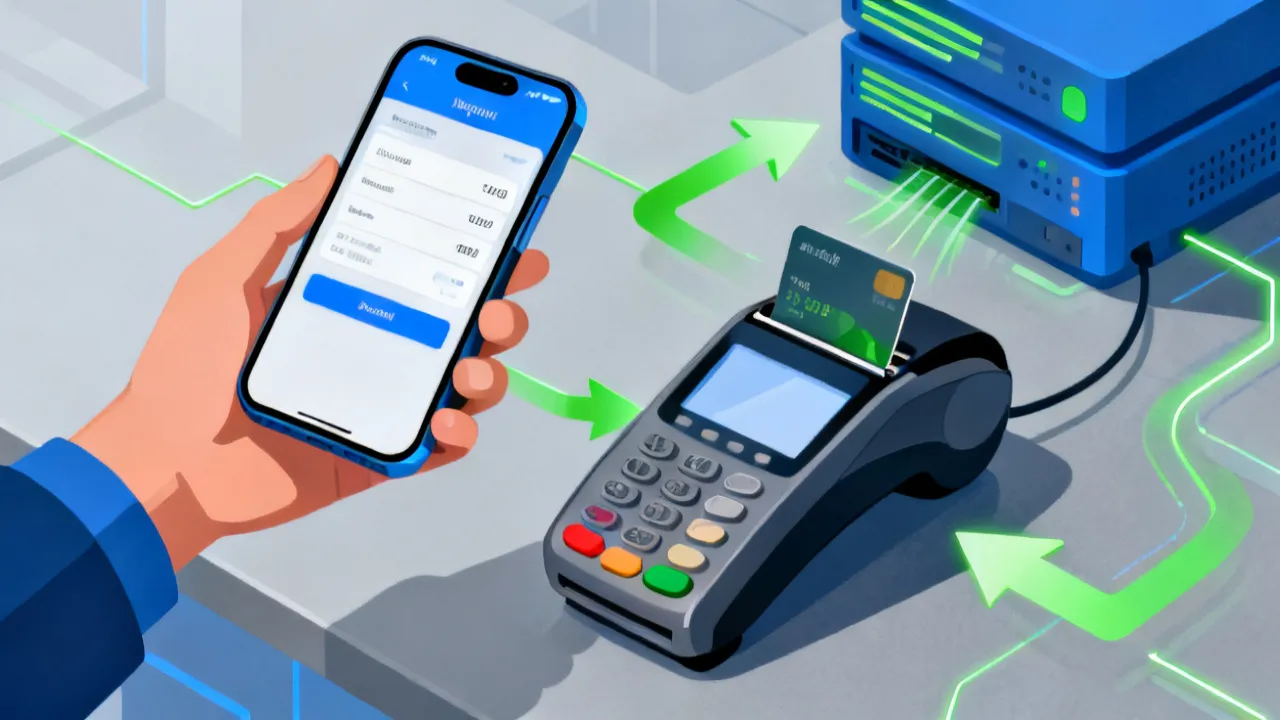
Payment processing solutions are integral to modern commerce, facilitating secure and efficient transactions for businesses worldwide. These systems handle the authorization, transaction, and fund transfer processes, ensuring a seamless experience for both merchants and consumers. From credit cards to digital wallets, they are the backbone of financial transactions, evolving rapidly with technology advances.
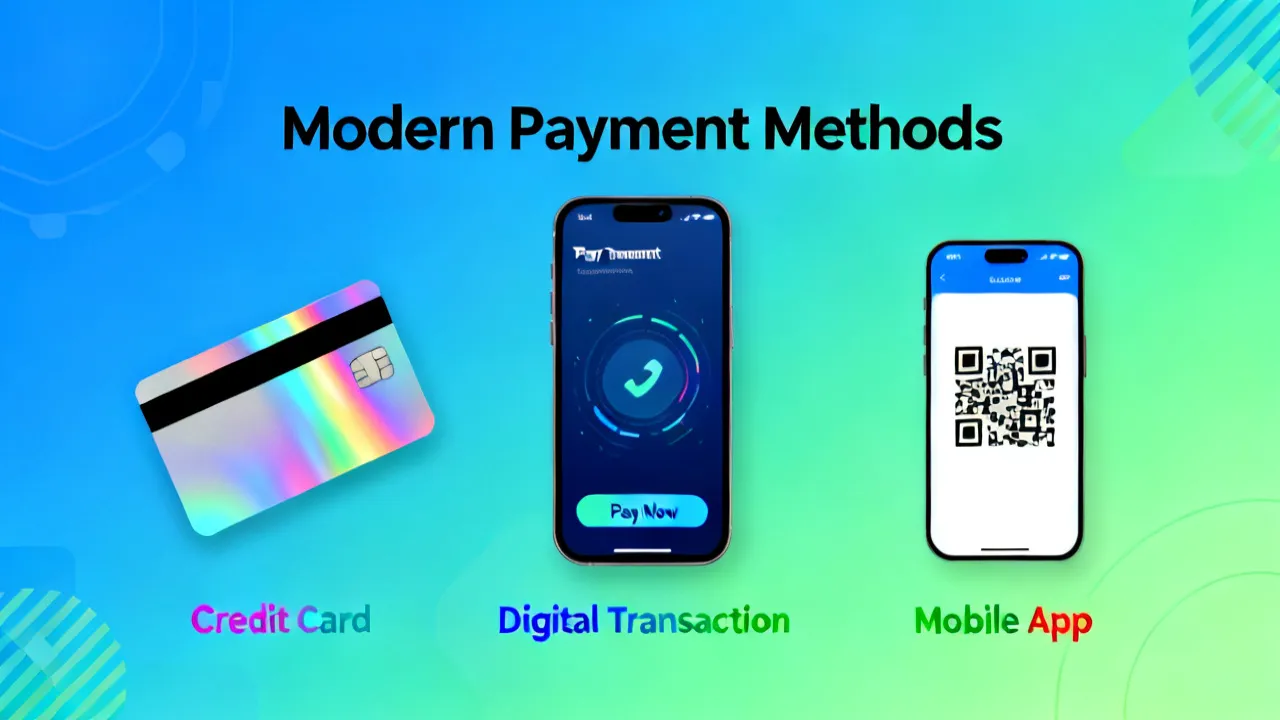
This article delves into the vital role of payment processing solutions in today’s business landscape, highlighting their importance in facilitating transactions between companies and customers. With advancements in technology, such solutions have evolved to ensure increased security, speed, and efficiency for businesses across various sectors.
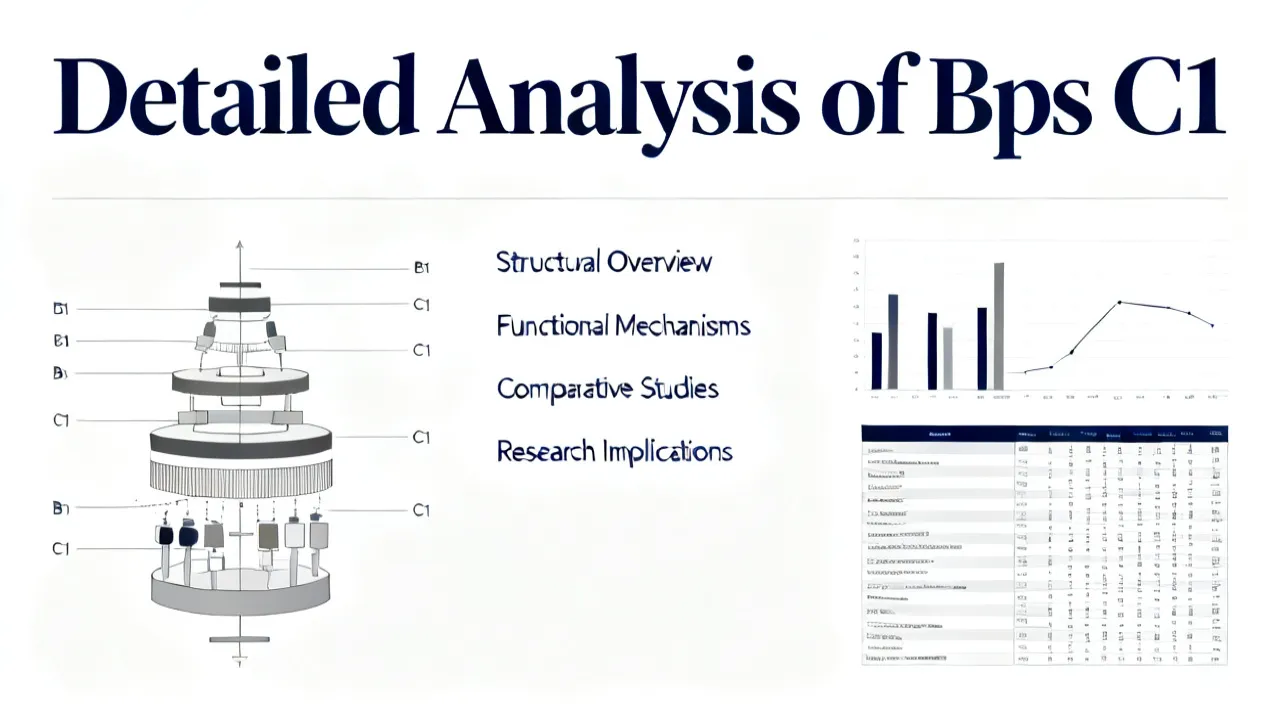
This article delves into the multifaceted applications of Bps C1, exploring its significance in various industries. Bps C1 refers to a class of products or technologies utilized in several sectors, and its prominent role in streamlining processes and enhancing operational efficiency is crucial for organizations aiming for competitive advantage.

This article delves deep into the pivotal role of Bps C1 in modern data systems, providing insights into how Bps C1 functions as a unit of measurement critical for assessing data transfer rates. Bps C1 stands as a measure of bits per second within communication networks, ensuring precise data flow evaluation. In a landscape where data transfer is foundational, the comprehension of Bps C1 is indispensable for industry professionals.

This article delves into payment processing solutions—integral components of contemporary commerce. These solutions facilitate the electronic exchange of funds, streamlining transactions between buyers and sellers. With a multitude of options available, including credit card processing, digital wallets, and mobile payments, the industry has evolved into a complex landscape, necessitating careful selection based on business needs and technological trends.