Worldpay Payfac offers integrated payment solutions optimized for businesses' streamlined financial operations. As a prominent player in the fintech sector, Worldpay facilitates complex transactions and enhances security, giving businesses an edge in managing sales efficiently. This guide delves into the functionalities, benefits, and industry applications of Worldpay's services within the digital payment landscape.

In the ever-evolving world of digital transactions, Worldpay Payfac stands out as a pivotal service for businesses seeking efficient payment processing. As technology reshapes how commerce operates, understanding the intricacies of solutions like Worldpay Payfac becomes vital for businesses aiming to stay ahead in the competitive marketplace. With various businesses migrating to digital platforms, the need for a robust payment solution that not only streamlines transactions but also provides an excellent customer experience has never been more essential.
Worldpay Payfac, a part of FIS (Fidelity National Information Services), provides a seamless payment facilitator platform that enables businesses to manage transactions with ease. As a comprehensive payment solution, Worldpay Payfac integrates multiple financial services into a singular framework, ensuring that businesses can securely and efficiently process payments. Its design addresses the complexities of modern transactions by offering features like fraud prevention, transaction reporting, and compliance management.
Furthermore, Worldpay Payfac operates on a pay-as-you-go model, making it an attractive choice for businesses looking to minimize upfront costs. This model allows businesses to pay only for services they use, promoting fiscal responsibility and efficiency. Businesses can leverage the flexibility of Worldpay Payfac to choose features and services that align closely with their operational needs, enabling them to customize their payment processes without overspending on unnecessary features.
Worldpay Payfac's solutions are valuable across numerous industries, from retail to hospitality. For example, e-commerce platforms benefit from its secure and efficient payment gateway, enhancing the customer checkout experience. The platform allows these businesses to present various payment options, accommodating diverse consumer preferences. Meanwhile, service-based businesses can leverage it to automate billing processes, ensuring timely payments and improving cash flow management.
In the hospitality sector, hotels and restaurants utilize Worldpay Payfac to facilitate seamless payment experiences for guests, offering capabilities like mobile payments and contactless solutions that have become more popular since the onset of the COVID-19 pandemic. This adaptability not only improves customer experience but also helps businesses remain competitive in a rapidly changing market.
Moreover, non-profit organizations also benefit from Worldpay Payfac by utilizing its features for donation processing. They can easily set up recurring donation options, track contributions, and generate reports for transparency, further enhancing their financial management capabilities.
| Feature | Worldpay Payfac | Competitor X |
|---|---|---|
| Security | Advanced fraud prevention | Basic security protocols |
| Integration | Seamless multichannel integration | Limited channel support |
| Scalability | Highly scalable | Moderate scalability |
| Customer Support | 24/7 customer service | Business hours support only |
| Customization Options | Extensive customization capabilities | Standardized solutions |
Adopting Worldpay Payfac involves several steps that are crucial for ensuring a smooth transition to the new payment platform:
1. What industries benefit the most from Worldpay Payfac?
Worldpay Payfac is adaptable and beneficial to a wide range of industries, particularly e-commerce, retail, hospitality, and services that require efficient transaction management. Its versatility ensures that businesses in various sectors can optimize their payment solutions.
2. Is Worldpay Payfac compliant with international payment standards?
Yes, Worldpay Payfac adheres to global standards, ensuring compliance with PCI DSS and other international financial guidelines. This compliance helps businesses avoid penalties and security issues while building trust with their customers.
3. How does Worldpay Payfac ensure data security?
Worldpay Payfac employs advanced encryption and fraud detection technologies to protect customer and transaction data from unauthorized access. Features such as two-factor authentication and regular security audits further bolster its security posture, making it a reliable choice for businesses.
4. Can Worldpay Payfac support international transactions?
Yes, the platform is designed to handle cross-border transactions, providing businesses with a global reach in their payment operations. This capability is particularly beneficial for e-commerce businesses aiming to expand their customer base internationally.
5. What are the fees associated with Worldpay Payfac?
Fees can vary based on the volume of transactions and the specific services utilized. Worldpay typically offers transparent pricing models that allow businesses to understand costs upfront and budget accordingly.
As digital payments continue to evolve, the role of payment facilitators like Worldpay Payfac becomes more critical. With emerging technologies such as artificial intelligence and machine learning shaping the future of fintech, Worldpay Payfac is well-positioned to incorporate these advancements into their services. For instance, AI-driven analytics can help businesses predict transaction behaviors, personalize customer experiences, and refine marketing strategies.
Moreover, as contactless payments and mobile wallets gain traction worldwide, Worldpay Payfac's flexibility allows it to offer its users the latest payment technologies. Embracing innovations such as cryptocurrency payments and blockchain technology could substantially enhance their service offerings. With consumers increasingly demanding seamless and diverse payment options, Worldpay Payfac can play an essential role in helping businesses meet these expectations.
To illustrate the effectiveness of Worldpay Payfac, consider the case of a mid-sized e-commerce company that experienced considerable growth. Upon integrating Worldpay Payfac, the company saw a significant reduction in cart abandonment rates owing to improved checkout efficiency and multiple payment options. Their move to this platform not only streamlined their operations but also boosted their revenue by providing customers with the flexibility they desired.
Another notable success story comes from a restaurant chain that had struggled with payment delays and inconsistent cash flow. By utilizing Worldpay Payfac, the restaurant optimized its billing processes and integrated online reservations with payment options, leading to faster payment cycles and better customer satisfaction scores. The increase in operational efficiency allowed the management to focus on enhancing the customer dining experience rather than worrying about payment issues.
In conclusion, integrating Worldpay Payfac into business operations can transform the way payments are handled, offering enhanced efficiency, security, and adaptability. As the digital landscape continues to expand, such solutions are indispensable for businesses aiming to thrive in a rapidly changing economic environment. By leveraging comprehensive reporting, security measures, and 24/7 support, organizations can not only improve their payment processing but enhance their overall operational resilience. Worldpay Payfac positions businesses to thrive today and in the future, ensuring they remain competitive in a dynamic marketplace.




Payment Processing Solutions are integral to modern commerce, facilitating seamless transactions between buyers and sellers. Deploying efficient systems allows businesses to handle payments securely and quickly across various platforms, providing a crucial backbone for ecommerce and traditional retail settings. This article delves into the nuances of payment processing, offering a thorough understanding for businesses looking to enhance their transaction capabilities.
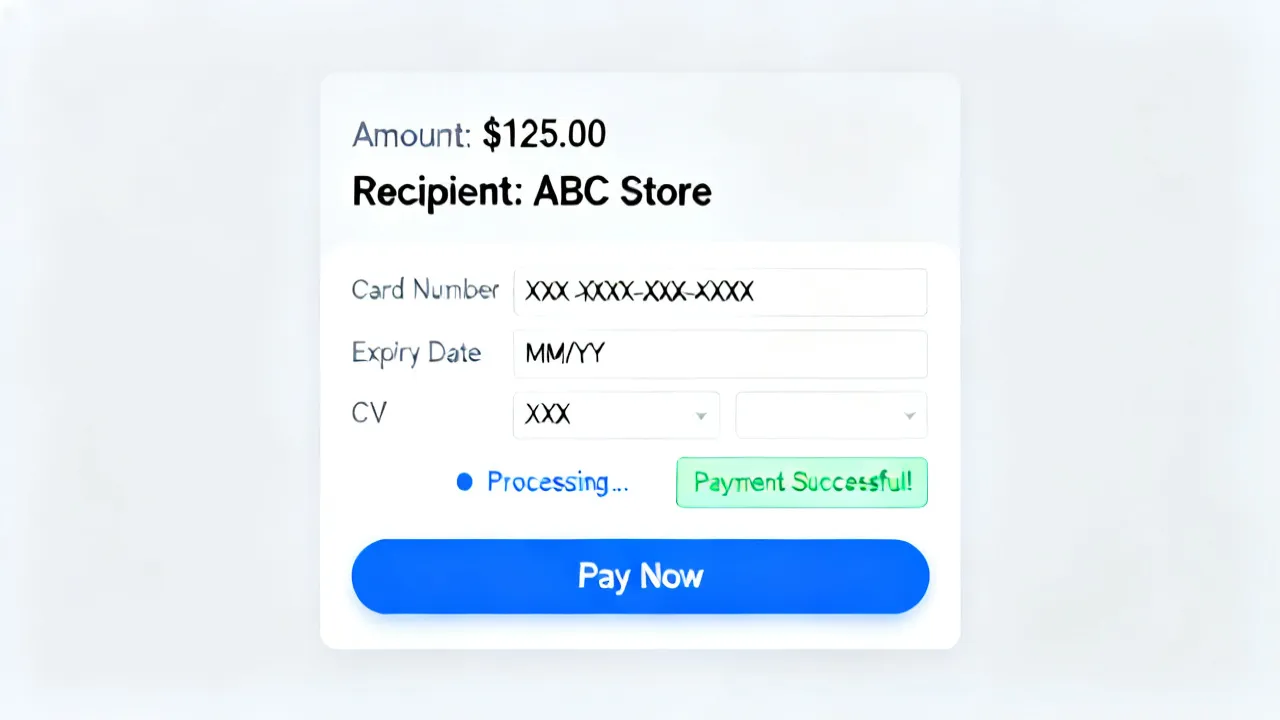
Payment processing solutions are essential systems enabling businesses to handle transactions electronically, facilitating seamless financial activity. With the growing shift towards online and contactless payments, understanding these solutions is vital for businesses to stay competitive and ensure customer satisfaction. This guide explores the intricacies of payment processing, dissecting its components and how businesses can leverage these systems to enhance efficiency and security.

This guide delves into the realm of Payment Processing Solutions, essential for businesses enduring the challenges of efficiently handling financial transactions. These solutions integrate secure, fast, and customer-friendly payment technologies that are crucial for modern commerce, whether in-store or online. By implementing tailored strategies, businesses can optimize operations, reduce costs, and enhance customer satisfaction through seamless payment experiences.
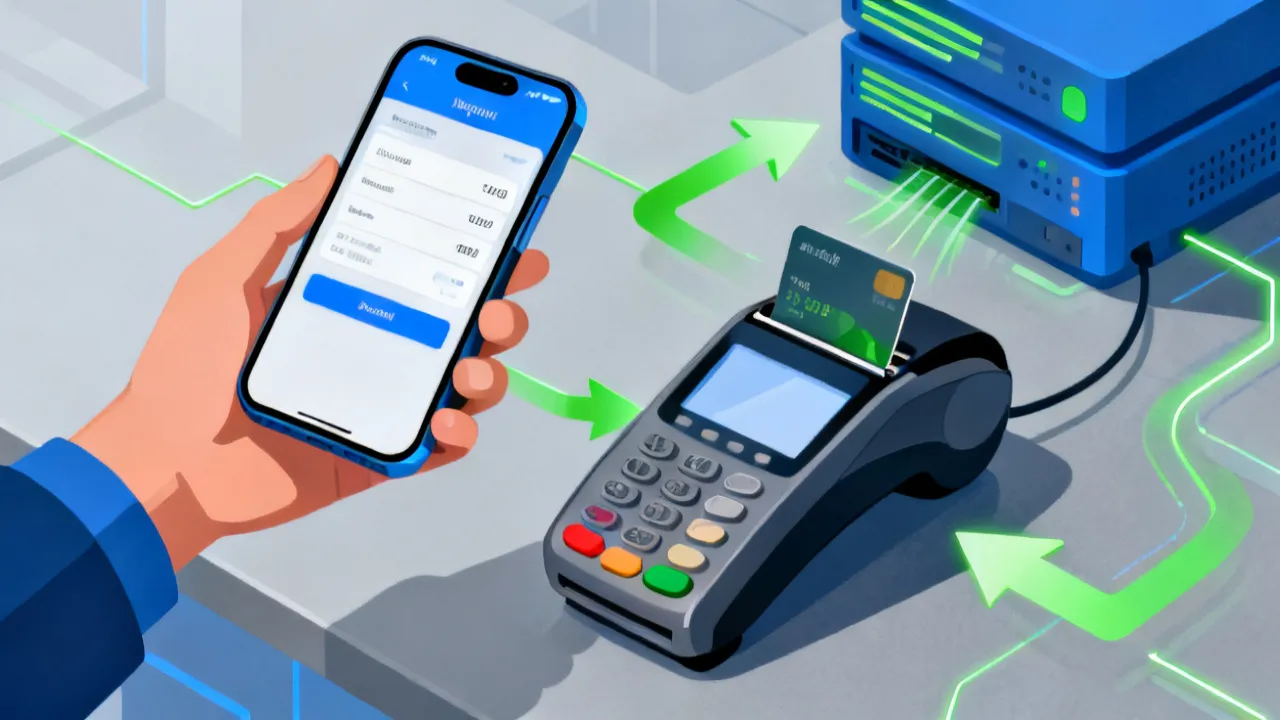
Payment processing solutions are integral to modern commerce, facilitating secure and efficient transactions for businesses worldwide. These systems handle the authorization, transaction, and fund transfer processes, ensuring a seamless experience for both merchants and consumers. From credit cards to digital wallets, they are the backbone of financial transactions, evolving rapidly with technology advances.
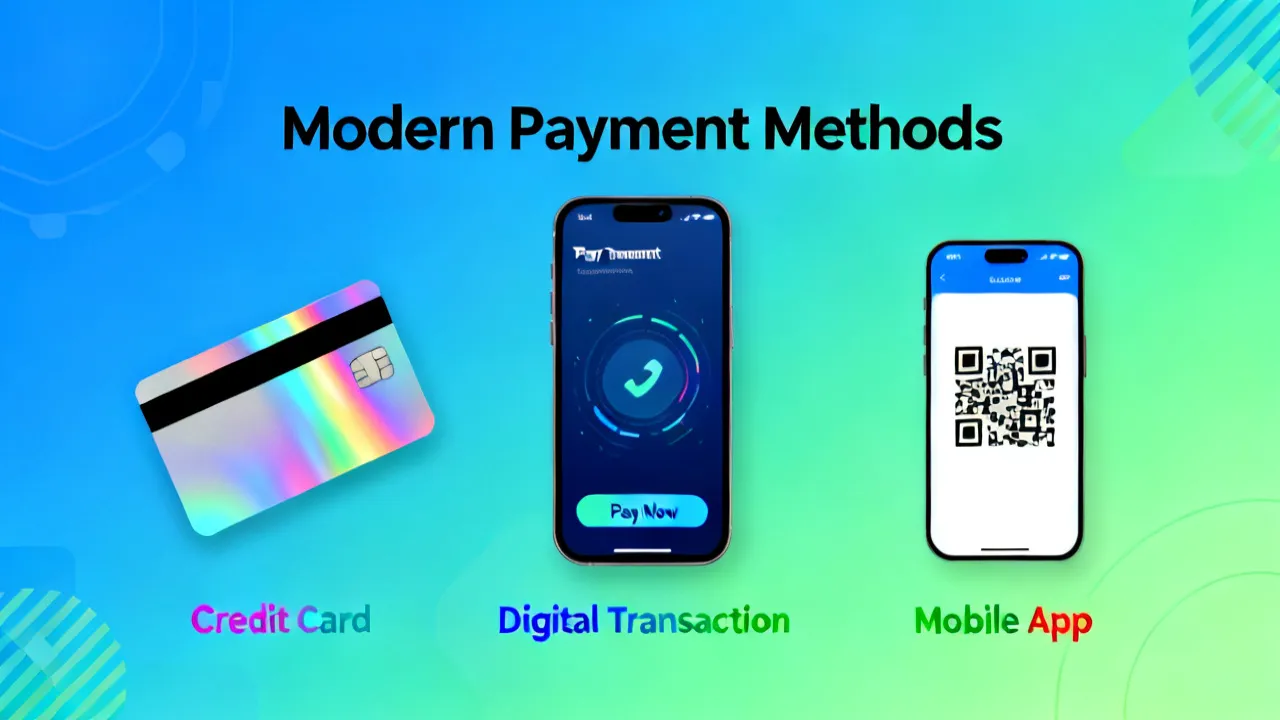
This article delves into the vital role of payment processing solutions in today’s business landscape, highlighting their importance in facilitating transactions between companies and customers. With advancements in technology, such solutions have evolved to ensure increased security, speed, and efficiency for businesses across various sectors.
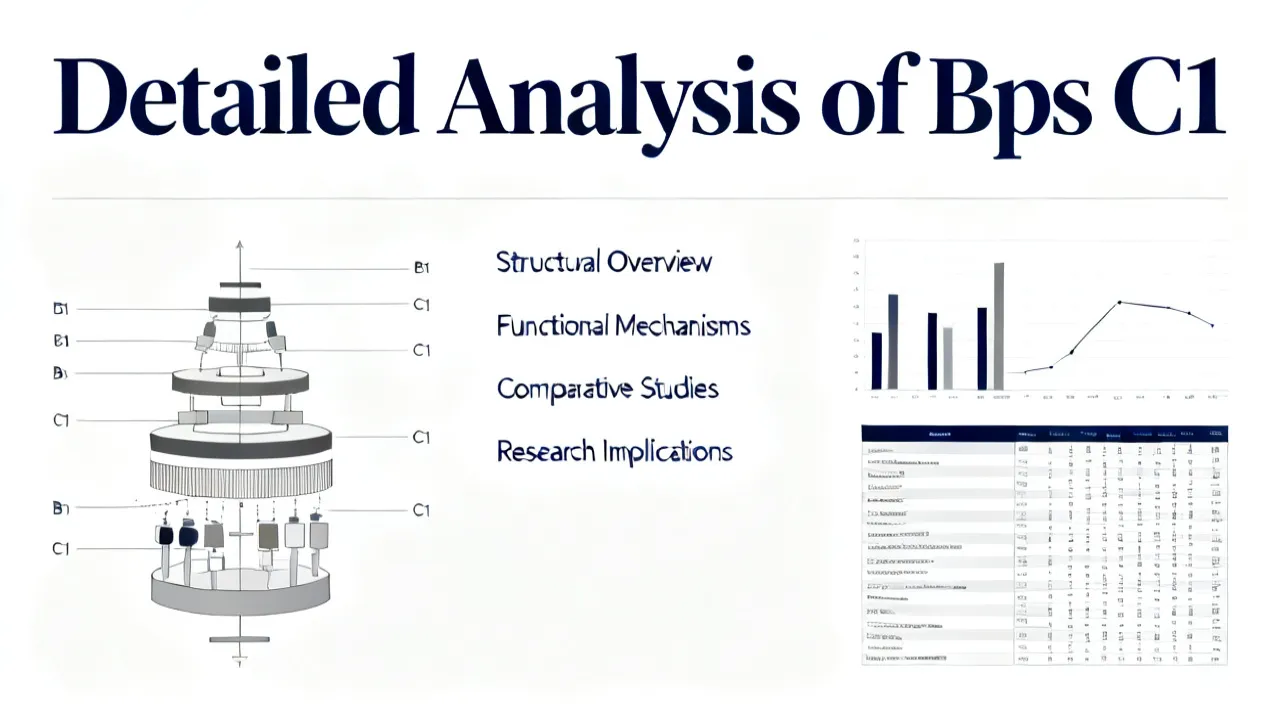
This article delves into the multifaceted applications of Bps C1, exploring its significance in various industries. Bps C1 refers to a class of products or technologies utilized in several sectors, and its prominent role in streamlining processes and enhancing operational efficiency is crucial for organizations aiming for competitive advantage.

This article delves deep into the pivotal role of Bps C1 in modern data systems, providing insights into how Bps C1 functions as a unit of measurement critical for assessing data transfer rates. Bps C1 stands as a measure of bits per second within communication networks, ensuring precise data flow evaluation. In a landscape where data transfer is foundational, the comprehension of Bps C1 is indispensable for industry professionals.

This article delves into payment processing solutions—integral components of contemporary commerce. These solutions facilitate the electronic exchange of funds, streamlining transactions between buyers and sellers. With a multitude of options available, including credit card processing, digital wallets, and mobile payments, the industry has evolved into a complex landscape, necessitating careful selection based on business needs and technological trends.