Explore the implementation and advantages of Dadepay Fiserv, a leading financial technology solution offering streamlined payment processing services. This article details the integration process and its impact on financial operations, providing professional insights into its industry significance and operational benefits.

In the ever-evolving landscape of financial technology, the integration of advanced payment solutions like Dadepay Fiserv is transforming how businesses manage transactions. As a robust platform, Dadepay Fiserv offers innovative tools for efficient payment processing, driving operational excellence and customer satisfaction. This transformation is particularly evident as businesses adapt to changing consumer behaviors and increasing reliance on digital payment methods, ensuring they stay competitive in a fast-paced market. Dadepay Fiserv provides an essential bridge between traditional transactional methods and the modern expectations of seamless, real-time payment processing.
Digital payment systems have become fundamental to modern commerce, reflecting the shift toward cashless economies. These systems not only enhance transaction speed and convenience but also provide businesses with a competitive edge. Dadepay Fiserv stands out in this context by delivering seamless and secure payment services that cater to various business needs. Furthermore, with the acceleration of e-commerce, especially post-pandemic, businesses across various sectors increasingly recognize the necessity of offering diverse payment options that meet customer preferences. This shift not only broadens customer reach but also encourages higher transaction volumes, ultimately contributing to revenue growth.
The capabilities of Dadepay Fiserv are utilized across various sectors, including retail, hospitality, healthcare, and education. For instance, retailers can enhance customer experiences by providing fast checkout processes, while educational institutions can streamline tuition payments seamlessly. In the hospitality sector, Dadepay Fiserv empowers hotels and restaurants to process payments quickly while offering diverse payment options, thus improving customer satisfaction. Similarly, healthcare providers benefit from enhanced payment solutions that simplify billing and patient payments, ensuring a smoother transaction experience for all stakeholders involved.
Moreover, as businesses adapt to a plethora of evolving consumer needs, the flexibility of Dadepay Fiserv allows them to be proactive rather than reactive in their service offerings. Each industry employing the service can customize it to suit their specific requirements, demonstrating the platform's adaptability and robustness.
Implementing Dadepay Fiserv offers multiple advantages:
| Feature | Benefits |
|---|---|
| Security Measures | Protects against fraud and data breaches. |
| Real-Time Analytics | Offers insights into customer transactions and behavior. |
| Integration Flexibility | Seamlessly connects with existing systems. |
| Reporting Tools | Provides detailed reports for financial analysis and forecasting. |
| Customer Support | Access to 24/7 support for quick problem resolution. |
Despite its numerous advantages, the integration of Dadepay Fiserv requires careful planning and execution. Businesses need to consider vendor compatibility, data migration processes, and staff training to ensure a successful transition. These elements are critical in avoiding potential disruptions that could affect everyday operations.
Maintaining a secure environment for data handling is also crucial to uphold consumer trust. The potential risk of data breaches necessitates a comprehensive approach to cybersecurity. Businesses must regularly conduct audits and assess the integrity of their payment processing systems to ensure compliance with evolving security standards.
Additionally, the evolving nature of consumer expectations means that businesses need to continually adapt their payment processing strategies. The increasing use of cryptocurrencies, mobile wallets, and contactless payments present opportunities, but they also require continuous technological upgrades and consumer education to remain relevant. Businesses should keep an eye on industry trends to leverage new functionalities offered by platforms like Dadepay Fiserv effectively.
Dadepay Fiserv emerges as a pivotal solution in the digital payment landscape, empowering businesses with tools necessary for modern transaction management. By leveraging its features, businesses can not only optimize operations but also offer enhanced services to their customers. As digital payment systems continue to evolve, those who harness the capabilities provided by Dadepay Fiserv will find themselves at the forefront of innovation, ultimately leading to sustainable growth and increased customer loyalty.
The future of digital payment processing with platforms like Dadepay Fiserv is bound to be transformative as technology continues to advance. Emerging trends such as blockchain technology, artificial intelligence, and machine learning are expected to synchronize with payment platforms, introducing enhanced efficiencies and novel functionalities. Businesses that harness these advancements can expect not only improved operational efficiencies but also the ability to provide personalized experiences that resonate with consumers on a deeper level.
Furthermore, as mobile payment solutions continue to rise, limiting the reliance on physical cards and cash, it is vital for businesses to stay ahead by adopting comprehensive digital payment strategies. The integration of contactless payment options, augmented reality payment systems, and the emerging reliance on digital currencies will shape how transactions occur. Businesses using solutions provided by Dadepay Fiserv will be better positioned to adapt to these future innovations, ensuring they can meet customer expectations while optimizing their transaction solutions.
To understand the application and efficiency of Dadepay Fiserv better, we can look at case studies from various sectors:
A major retail chain took advantage of Dadepay Fiserv’s comprehensive processing capabilities to transform its checkout experience. By integrating the platform, they reduced average checkout times by 30%, leading to increased customer satisfaction. The company reported a 15% rise in sales following the implementation, demonstrating how streamlined payment processes can directly influence revenue.
A regional healthcare provider adopted Dadepay Fiserv to simplify billing and ensure faster collections. The provider used the platform to introduce a patient portal for online bill payments, resulting in a 40% decrease in overdue accounts receivable. The efficiency and convenience provided by Dadepay Fiserv allowed the facility to enhance patient interactions and build stronger relationships.
A university adopted Dadepay Fiserv to facilitate tuition payments, offering students various electronic options. The result was a dramatic increase in on-time tuition payments, which improved cash flow for the institution. By offering flexible payment plans integrated with Dadepay Fiserv, student engagement and retention rates also improved.
To maximize the benefits of Dadepay Fiserv, it’s essential for businesses to couple their payment processing solutions with effective marketing strategies. Here are several methodologies that can enhance customer engagement and loyalty:
In conclusion, integrating a sophisticated payment processing solution like Dadepay Fiserv allows businesses to not only adopt a modern transactional approach but also to shape their customer engagement strategies effectively. This holistic integration will provide businesses with a solid foundation to thrive in an increasingly digital marketplace.






This guide explains how payroll teams typically access and configure Runpayroll.adp.com for reliable payroll processing. It provides objective background on why employee payroll portals matter, how authentication and permissions affect payroll controls, and what organizations should verify before running pay cycles. The focus remains on governance, accuracy, and operational readiness rather than marketing claims.

This guide explains how Runpayroll.adp.com fits into payroll operations, from setup to ongoing compliance and reporting. Background information covers why payroll portals matter, what organizations typically configure, and how an expert approach evaluates security, controls, and workflow. Readers will also find a comparison of onboarding paths, key conditions, and practical FAQs.

This guide reviews what people discuss on Justworks Reddit to help HR and small-business leaders evaluate payroll, benefits, and admin workflows objectively. The article summarizes common themes, explains what readers should verify, and offers a structured way to compare providers. Background context clarifies how community forums, vendor communications, and compliance realities shape user experiences.

This guide synthesizes what people commonly discuss in Justworks Reddit threads and turns it into practical, objective criteria for SMB decision-making. Background context is provided on what Justworks is, why HR/payroll conversations appear on Reddit, and how to evaluate providers without relying on hearsay or pricing rumors.

Kony DBX helps organizations plan, deploy, and optimize data handling for reliable application workflows. This guide explains what “Kony DBX” typically refers to in enterprise contexts, outlines selection and integration considerations, and offers practical steps and requirements. It also addresses governance, performance, and operational risks in an objective way, including an expert Q&A section for decision-makers.

This guide explains Kony Dbx in practical terms—how it fits into modern product workflows, what to evaluate when sourcing, and which conditions typically matter before purchase. Objectively, “DBX” concepts often relate to signal/processing or equipment configuration layers, while “Kony Dbx” is commonly used as a product/series name in procurement discussions.
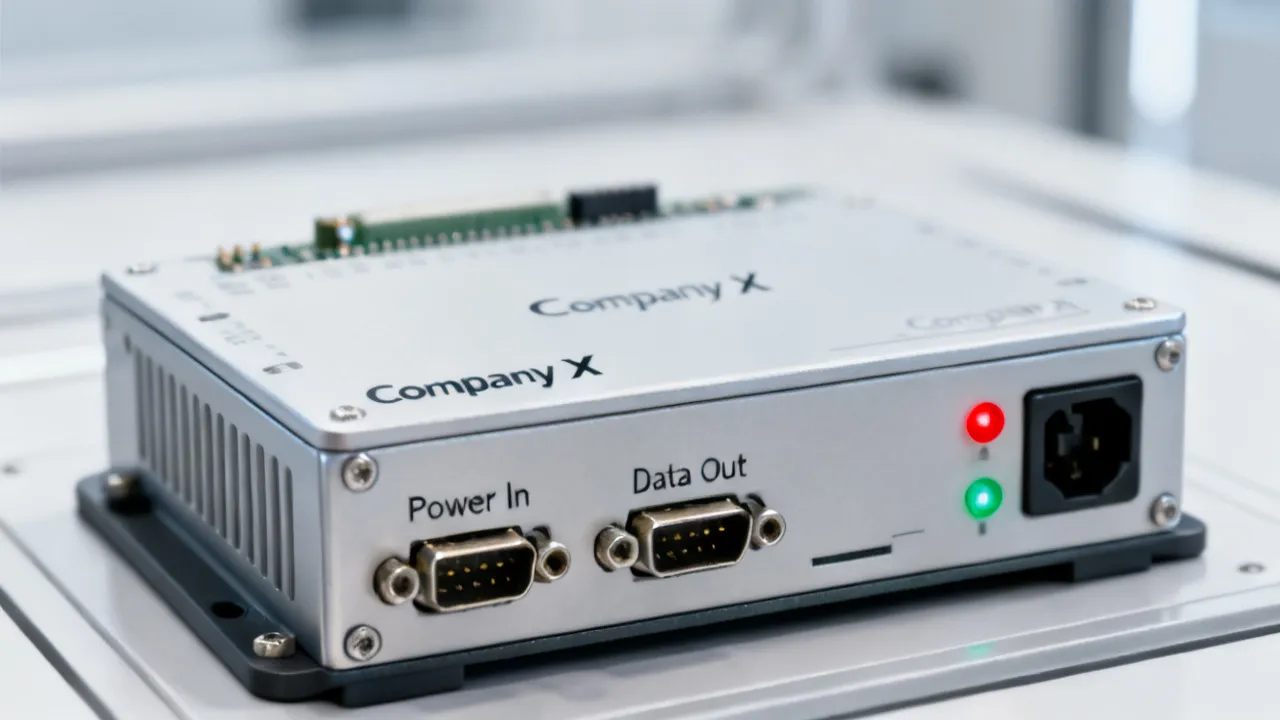
This guide explains what Kony DBX is, how it fits into deployment workflows, and what to evaluate when choosing units or integrating suppliers. Objectively, it covers typical hardware/software considerations, procurement criteria, and operational requirements. It also includes a comparison table, a practical step-by-step checklist, and expert FAQs—helping you make defensible decisions for reliability, compliance, and maintainability.

Cash Management Services for Corporates help firms centralize liquidity, streamline payments, and improve visibility across banking relationships. This guide provides objective background on cash management, key service capabilities, and typical procurement considerations, focusing on corporate treasury needs such as payment controls, forecasting support, and operational governance.