Payment processing solutions are integral to modern commerce, enabling the secure transfer of funds between merchants and consumers. These solutions encompass various methodologies, including credit card terminals, online payment gateways, and mobile payment systems, tailored to enhance transaction efficiency and security. As technology evolves, these systems are becoming more sophisticated, focusing on speed, convenience, and data protection.
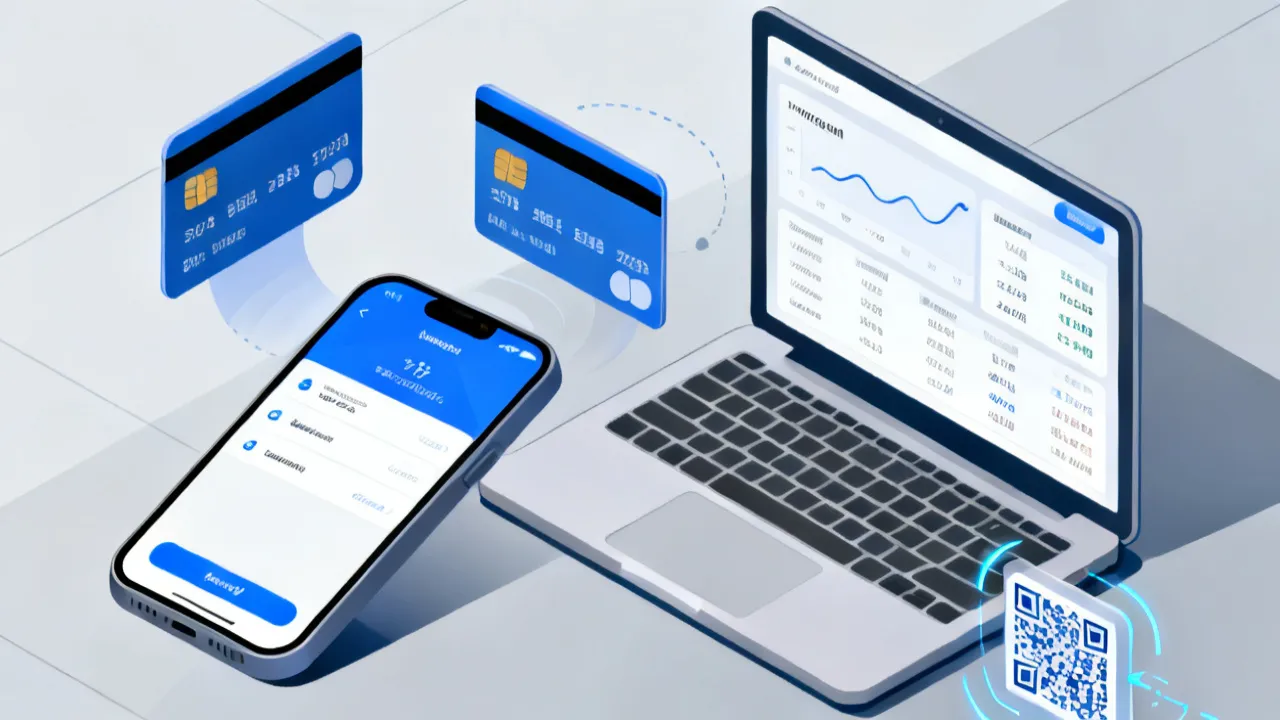
In today's fast-paced digital world, payment processing solutions are critical for businesses seeking efficient transactions. These systems are the backbone of financial transactions, enabling the smooth transfer of funds from consumers to merchants through various digital platforms. Their importance cannot be understated, as they support the seamless functioning of modern commerce by ensuring secure, fast, and reliable payment methods. As consumer behavior shifts and the demand for online shopping grows, understanding the intricacies of payment processing solutions becomes increasingly vital to maintaining competitiveness and operational efficiency in the market.
Modern payment processing solutions encompass several key components designed to ensure efficient and secure money transfers. These include:
As technology rapidly evolves, payment processing solutions are becoming more sophisticated. Innovations such as contactless payments, mobile wallets, and biometric authentication are revolutionizing how transactions are conducted. The rise of AI and machine learning also contributes significantly to fraud detection and enhances customer experience through personalized services. Contactless payments, for instance, streamline the checkout process, allowing customers to make payments swiftly using their smartphones or smartwatches, which significantly enhances the convenience factor for consumers.
Moreover, the integration of machine learning algorithms helps identify unusual transaction patterns that could indicate fraud, thus allowing businesses to take action before a fraudulent transaction occurs. This not only protects the merchant from potential losses but also builds trust with customers, as they feel secure knowing that their data is being monitored and safeguarded.
There are diverse options available, each catering to different business needs. These include:
Security remains a paramount concern in payment processing. Solutions must comply with industry standards such as the Payment Card Industry Data Security Standard (PCI DSS) to protect sensitive financial information. This compliance mandates strict guidelines for how credit card information is handled, stored, and transmitted, providing assurance to customers that their data is secure.
Encryption, tokenization, and end-to-end security frameworks are essential to safeguarding transactions against fraud and unauthorized access. Tokenization, in particular, converts sensitive card information into a unique token that is useless if intercepted, providing an additional layer of security. Additionally, fraud detection systems employ complex algorithms to monitor transactions for anomalies, reducing the risk of potential scams and unauthorized transactions.
With data breaches on the rise, companies must also educate their staff about security best practices, such as recognizing phishing attempts or ensuring that systems are regularly updated with the latest security patches. This proactive approach to security not only strengthens the business's defenses but also fosters a culture of cybersecurity awareness within the organization.
| Solution | Features | Top For |
|---|---|---|
| Square | Mobile and online payments, point-of-sale, analytics | Small businesses, mobile vendors |
| PayPal | Online payments, invoicing, subscription services, buy now pay later options | Online retailers, freelancers |
| Stripe | Developer-friendly APIs, global payments, customizable solutions, extensive integrations | Technology-driven companies, startups |
| Authorize.Net | Payment gateway, fraud detection, eCheck processing, customer information management | Established businesses, various industries |
| Adyen | Global payments, risk management, single integration for online and in-store | Large enterprises, omnichannel retailers |
| Shopify Payments | Integrated with Shopify platform, seamless checkout, multi-currency support | eCommerce businesses using Shopify |
A payment processor handles the transaction data, communicating between the merchant's bank and the customer's card issuer, while a payment gateway authorizes transactions allowing payments to occur online. In simpler terms, the payment gateway functions as the entrance for digital transactions, while the payment processor manages the transaction logistics behind the scenes.
PCI compliance is crucial for protecting cardholder data against breaches and fraud. Non-compliance can lead to penalties and damage to a business's reputation. Additionally, non-compliant businesses risk having their transactions declined by credit card companies, potentially leading to significant financial losses. A strong understanding of compliance requirements can also bolster customer confidence in your business.
Yes, businesses often use multiple solutions to offer customers flexibility and convenience, covering various payment methods and channels. This approach allows businesses to cater to different customer preferences, such as choosing credit or debit payments, digital wallets, or BNPL (Buy Now Pay Later) schemes. Integrating different methods can enhance the overall shopping experience by providing options that resonate with a diverse clientele.
While payment processing solutions offer numerous benefits, businesses also face challenges in adoption and implementation. Some of these challenges include:
To overcome challenges and maximize the benefits of payment processing solutions, businesses should adopt a set of best practices when implementing new systems:
The payment processing landscape is continually evolving, with several trends poised to shape the future of financial transactions:
In summary, payment processing solutions are indispensable for ensuring smooth and secure monetary transactions in today's digital economy. As technology continues to advance, these systems will undoubtedly evolve, providing businesses with even more robust and versatile options to meet their ever-changing needs. By staying informed and leveraging modern solutions, businesses can enhance their payment processes, offer better customer experiences, and ensure the security of all transactions. The adaptability and foresight in choosing the right payment processing solutions will be key determinants of success in the increasingly competitive business landscape. Understanding current trends and challenges allows businesses to innovate and thrive, ensuring they remain at the forefront of the digital transformation in payment processing.






This guide explains how payroll teams typically access and configure Runpayroll.adp.com for reliable payroll processing. It provides objective background on why employee payroll portals matter, how authentication and permissions affect payroll controls, and what organizations should verify before running pay cycles. The focus remains on governance, accuracy, and operational readiness rather than marketing claims.

This guide explains how Runpayroll.adp.com fits into payroll operations, from setup to ongoing compliance and reporting. Background information covers why payroll portals matter, what organizations typically configure, and how an expert approach evaluates security, controls, and workflow. Readers will also find a comparison of onboarding paths, key conditions, and practical FAQs.

This guide reviews what people discuss on Justworks Reddit to help HR and small-business leaders evaluate payroll, benefits, and admin workflows objectively. The article summarizes common themes, explains what readers should verify, and offers a structured way to compare providers. Background context clarifies how community forums, vendor communications, and compliance realities shape user experiences.

This guide synthesizes what people commonly discuss in Justworks Reddit threads and turns it into practical, objective criteria for SMB decision-making. Background context is provided on what Justworks is, why HR/payroll conversations appear on Reddit, and how to evaluate providers without relying on hearsay or pricing rumors.
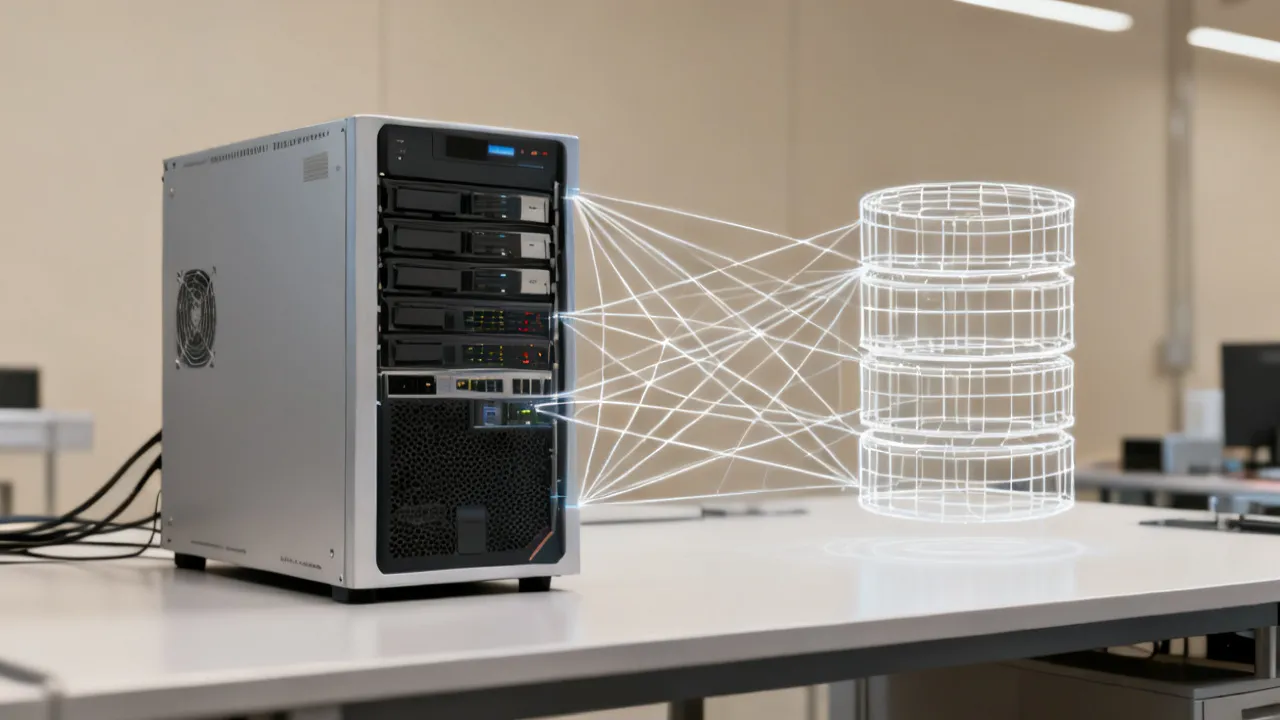
Kony DBX helps organizations plan, deploy, and optimize data handling for reliable application workflows. This guide explains what “Kony DBX” typically refers to in enterprise contexts, outlines selection and integration considerations, and offers practical steps and requirements. It also addresses governance, performance, and operational risks in an objective way, including an expert Q&A section for decision-makers.

This guide explains Kony Dbx in practical terms—how it fits into modern product workflows, what to evaluate when sourcing, and which conditions typically matter before purchase. Objectively, “DBX” concepts often relate to signal/processing or equipment configuration layers, while “Kony Dbx” is commonly used as a product/series name in procurement discussions.
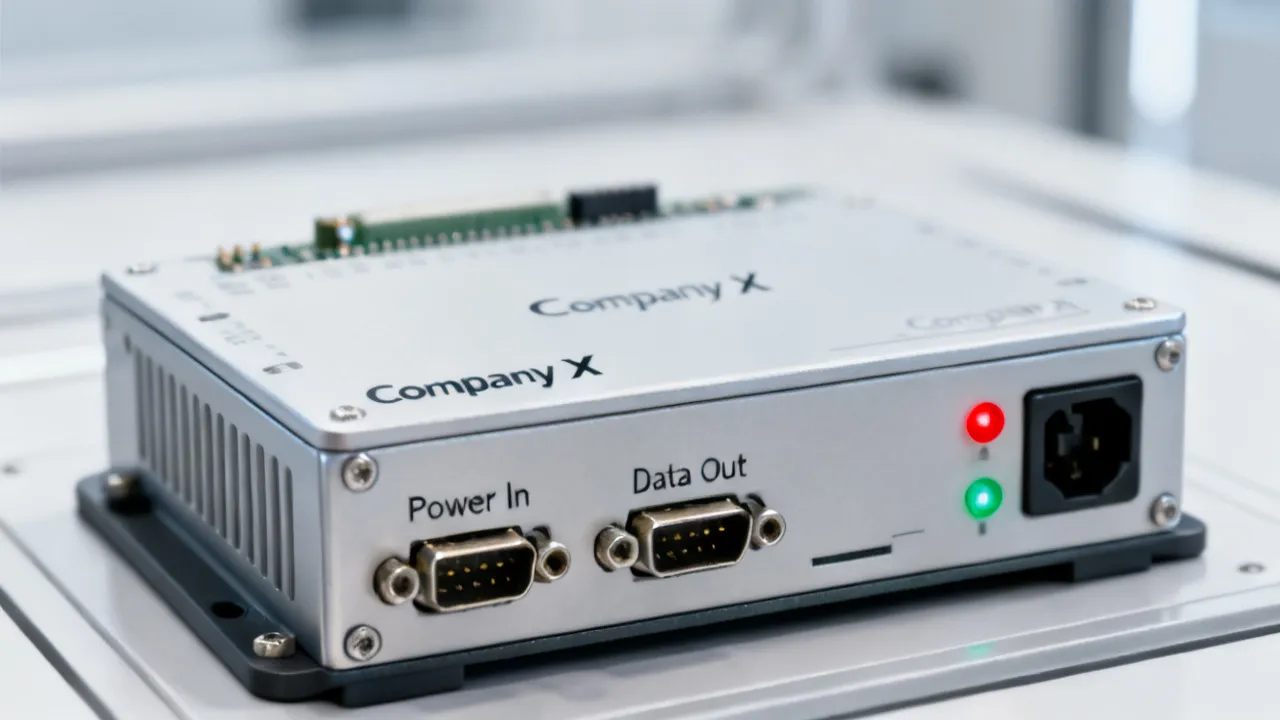
This guide explains what Kony DBX is, how it fits into deployment workflows, and what to evaluate when choosing units or integrating suppliers. Objectively, it covers typical hardware/software considerations, procurement criteria, and operational requirements. It also includes a comparison table, a practical step-by-step checklist, and expert FAQs—helping you make defensible decisions for reliability, compliance, and maintainability.

Cash Management Services for Corporates help firms centralize liquidity, streamline payments, and improve visibility across banking relationships. This guide provides objective background on cash management, key service capabilities, and typical procurement considerations, focusing on corporate treasury needs such as payment controls, forecasting support, and operational governance.