Payment Processing Solutions are integral to modern commerce, facilitating seamless transactions between buyers and sellers. Deploying efficient systems allows businesses to handle payments securely and quickly across various platforms, providing a crucial backbone for ecommerce and traditional retail settings. This article delves into the nuances of payment processing, offering a thorough understanding for businesses looking to enhance their transaction capabilities.

In today's fast-paced digital world, Payment Processing Solutions have become the cornerstone of financial transactions. These systems enable businesses to accept payments from credit cards, debit cards, and other digital payment methods quickly and securely. The evolution from cash-only transactions to the acceptance of electronic payments signifies a shift towards convenience and speed, vital for both the consumer and the retailer. This transformation in payment processing not only promotes operational efficiency but also enhances consumer trust in digital transactions. The history of payment processes dates back to primitive bartering systems, transforming significantly through the introduction of currency, bank notes, and, in recent decades, electronic payments.
As technology has advanced, the way consumers conduct transactions has also changed dramatically. From the introduction of the first plastic credit cards in the 1950s to the rise of mobile payments in the 21st century, each step has represented an increase in convenience for consumers while facilitating smooth operating procedures for businesses. The ability to pay with a simple swipe, tap, or click has revolutionized retail landscapes, particularly in the wake of global events that demanded contactless transactions. Payment processing is now integrated with everything from online shopping carts to in-store terminals, creating a multifaceted ecosystem that needs constant innovation and refinement.
Modern payment processing encompasses several key features that businesses should be aware of:
Exploring different types of payment processing solutions can help businesses in selecting the right system tailored to their specific needs. Here are a few categories:
Implementing a payment processing solution can seem daunting, but breaking it down into manageable steps can simplify the process:
| Condition | Requirement |
|---|---|
| Data Security | Must comply with PCI DSS standards to protect payment information. Adhering to these guidelines is essential in safeguarding sensitive customer information and maintaining trust. |
| Customer Support | 24/7 technical support must be available to address potential issues. Quick resolution of payment processing problems is critical, as delays can directly impact sales and customer satisfaction. |
| Scalability | The system should scale with the business growth, handling increasing transactions and user demand. An agile payment processing solution can adapt to seasonal fluctuations in sales and expanding product lines without costly upgrades. |
They are technologies and services that process and authorize financial transactions for businesses, enabling them to accept various forms of payment from customers. This includes credit cards, debit cards, cryptocurrencies, and other digital wallets, facilitating a diverse range of options for customers.
Security ensures both customer data and transaction integrity are protected against fraud and breaches. In a landscape where data breaches are common, consumers are increasingly cautious about where and how they share their financial information. A secure payment system nurtures this confidence, which is key to successful transactions.
Yes, many providers offer scalable solutions that grow with your business, often with cost-effective initial setups. Options like mobile payment solutions and cloud-based systems can lower the barrier to entry for small business owners, providing necessary functionalities without prohibitive costs.
Payment processing fees vary among providers and can include interchange fees, payment gateway fees, and service fees. Understanding these charges is vital for businesses, as they can impact overall profitability. Some providers offer flat-rate pricing, while others may charge on a per-transaction basis, allowing businesses to choose a pricing structure that best suits their financial model.
A chargeback is a reversal of a transaction initiated by the bank or lender, typically as a result of fraud or consumer disputes. Businesses should proactively manage chargebacks by ensuring clear communication with customers, maintaining accurate records, and implementing fraud prevention measures. Building a good relationship with payment processors can also facilitate support in dispute resolution processes.
The landscape of Payment Processing Solutions continues to evolve, driven by technological advances and the demand for quicker, more secure transactions. By understanding the features, types, and implementation strategies, businesses can select the optimal payment processing system that aligns with their operational goals and customer expectations. Furthermore, the compatibility of these systems with emerging technologies like blockchain and AI in the financial sector promises a future where transactions will not only be faster but also more secure and transparent. As businesses strive to offer an impeccable customer experience, investing in advanced payment processing solutions will remain a pivotal factor in maintaining competitive advantage and fostering customer loyalty in the evolving marketplace.
Moreover, with the rise of cryptocurrency transactions and peer-to-peer payment methods, the payment processing landscape is likely to be disrupted further in coming years. Businesses should remain vigilant and prepared to adopt new technologies and practices that enhance the seamless exchange of value within their operations. Embracing technological changes will not only streamline transaction processes but will also improve user experience and trust, ultimately contributing to sustained business growth in a digital-first economy.






This guide explains how payroll teams typically access and configure Runpayroll.adp.com for reliable payroll processing. It provides objective background on why employee payroll portals matter, how authentication and permissions affect payroll controls, and what organizations should verify before running pay cycles. The focus remains on governance, accuracy, and operational readiness rather than marketing claims.

This guide explains how Runpayroll.adp.com fits into payroll operations, from setup to ongoing compliance and reporting. Background information covers why payroll portals matter, what organizations typically configure, and how an expert approach evaluates security, controls, and workflow. Readers will also find a comparison of onboarding paths, key conditions, and practical FAQs.

This guide reviews what people discuss on Justworks Reddit to help HR and small-business leaders evaluate payroll, benefits, and admin workflows objectively. The article summarizes common themes, explains what readers should verify, and offers a structured way to compare providers. Background context clarifies how community forums, vendor communications, and compliance realities shape user experiences.

This guide synthesizes what people commonly discuss in Justworks Reddit threads and turns it into practical, objective criteria for SMB decision-making. Background context is provided on what Justworks is, why HR/payroll conversations appear on Reddit, and how to evaluate providers without relying on hearsay or pricing rumors.

Kony DBX helps organizations plan, deploy, and optimize data handling for reliable application workflows. This guide explains what “Kony DBX” typically refers to in enterprise contexts, outlines selection and integration considerations, and offers practical steps and requirements. It also addresses governance, performance, and operational risks in an objective way, including an expert Q&A section for decision-makers.

This guide explains Kony Dbx in practical terms—how it fits into modern product workflows, what to evaluate when sourcing, and which conditions typically matter before purchase. Objectively, “DBX” concepts often relate to signal/processing or equipment configuration layers, while “Kony Dbx” is commonly used as a product/series name in procurement discussions.
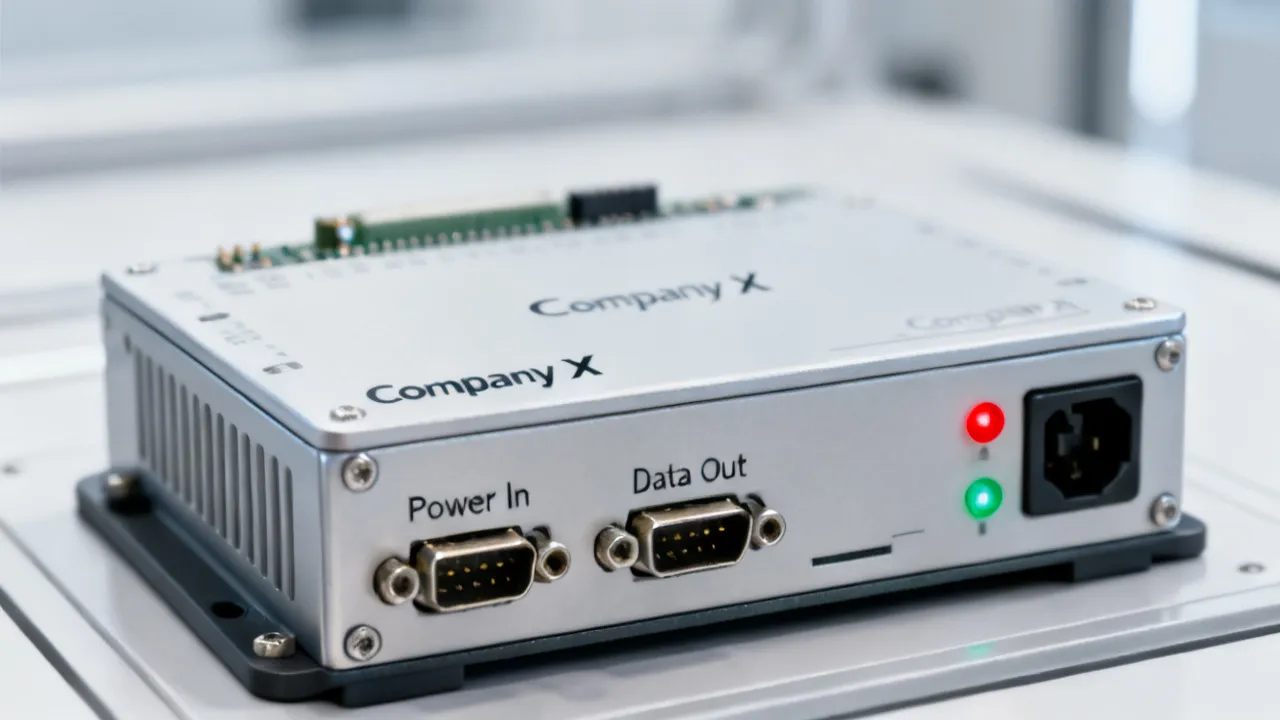
This guide explains what Kony DBX is, how it fits into deployment workflows, and what to evaluate when choosing units or integrating suppliers. Objectively, it covers typical hardware/software considerations, procurement criteria, and operational requirements. It also includes a comparison table, a practical step-by-step checklist, and expert FAQs—helping you make defensible decisions for reliability, compliance, and maintainability.

Cash Management Services for Corporates help firms centralize liquidity, streamline payments, and improve visibility across banking relationships. This guide provides objective background on cash management, key service capabilities, and typical procurement considerations, focusing on corporate treasury needs such as payment controls, forecasting support, and operational governance.