Payment Processing Solutions are pivotal in shaping the way businesses handle transactions in our digital age. These systems facilitate the secure transfer of funds from customers to merchants. By employing advanced technologies, they ensure not only safety but also efficiency in completing financial transactions, making them indispensable in e-commerce and retail sectors.

In today’s digital economy, Payment Processing Solutions play a crucial role in facilitating transactions between consumers and businesses. As the backbone of e-commerce and retail industries, these systems ensure that financial exchanges are safe, efficient, and seamless. They embody the technological innovations that enable businesses to thrive in a fast-paced market, offering the tools needed to meet the growing demands of consumers. Today’s customers expect quick and straightforward transactions, and payment processing solutions are key to meeting these expectations.
Moreover, the landscape of payment processing is continuously evolving. As technology advances, businesses must stay ahead of trends, adapting their payment methods not only to attract customers but also to maintain security and compliance with financial regulations. The integration of modern payment processing systems can significantly streamline operations, increase sales, and provide valuable insights into customer behaviors. Thus, understanding the various components of these solutions becomes imperative for businesses looking to navigate the complexities of online financial transactions effectively.
The paramount importance of Payment Processing Solutions lies in their ability to offer secure transaction methods that protect both merchants and consumers. In an era where data breaches and online fraud are frequent headlines, ensuring the security of transactions is more critical than ever. These solutions employ advanced encryption technologies to mitigate the risks associated with online financial fraud. For example, SSL (Secure Socket Layer) encryption establishes a secure channel between the customer's device and the merchant’s server, safeguarding sensitive information like credit card numbers and personal details.
Consequently, businesses that leverage these solutions can bolster customer trust and expand their customer base, ultimately creating a competitive advantage. Trust is a vital component of customer loyalty; when consumers feel confident that their transactions are secure, they are more likely to make purchases. Furthermore, regulatory frameworks such as PCI DSS (Payment Card Industry Data Security Standard) set stringent requirements for businesses handling card payments, making compliance essential. Payment processing solutions aid in achieving compliance by incorporating necessary security features, thus protecting against costly fines and reputational damage.
The architecture of a typical payment processing solution comprises several components, including the payment gateway, the merchant account, and the processor itself. Each element plays a distinct role in ensuring the smooth transfer of funds:
There are numerous options available in the market today, each catering to different business needs. Popular solutions include:
Contemporary payment processing solutions go beyond just handling transactions. They offer a suite of additional features designed to enhance business operations, streamline user experiences, and address the complexities of modern commerce. Below are some advanced features found in leading solutions:
| Feature | Description |
|---|---|
| Fraud Detection | Employs AI and machine learning to identify suspicious patterns and prevent unauthorized transactions. By analyzing transaction data in real-time, these systems can flag unusual activities and mitigate risks before they escalate. |
| Recurring Billing | Facilitates automatic billing for subscription services, ensuring a steady revenue stream for businesses. This feature is particularly beneficial for companies that offer subscription models, like software services or membership programs, allowing customers to set up payments once and avoid any hassle in the future. |
| Multi-currency Support | Enables businesses to accept payments in various currencies, broadening their market reach globally. This feature caters to the expanding international customer base and alleviates the complications associated with currency conversions. |
| Mobile Payments | Supports payments via mobile wallets and apps, aligning with the increasing trend of smartphone usage. As customers increasingly turn to their mobile devices for transactions, being equipped to handle mobile payments expands customer convenience and boosts sales. |
| Analytics and Reporting | Provides merchants with insights into sales trends, customer behavior, and operational efficiency. Analyzing transaction data helps businesses make informed decisions and refine their marketing strategies. |
Choosing the very suitable payment processing solution involves assessing your business's specific needs and customer preferences. Key considerations include:
Q: What is a Payment Gateway?
A: A payment gateway acts as a bridge between your online store and the payment processor, securely transmitting customer payment information. It is essential for both online and brick-and-mortar businesses, ensuring a smooth transaction process for customers.
Q: Why is encryption important in payment processing?
A: Encryption secures sensitive customer data, preventing unauthorized access and maintaining the integrity of financial transactions. By encrypting data, businesses can ensure compliance with regulations and foster trust among their customers.
Q: How do I choose a payment processor?
A: Consider factors like cost, compatibility with your systems, customer support quality, and scalability to find the right match. Additionally, it's beneficial to compare multiple processors to ensure you are getting the best features and pricing for your business’s needs.
Q: What are the benefits of multi-currency support?
A: Multi-currency support allows you to accept payments from international customers, expanding your business reach and enhancing customer convenience. It simplifies the purchasing process for foreign consumers and fosters global business opportunities.
Q: Can payment processing solutions prevent fraud?
A: Many solutions offer advanced fraud detection features, using AI and machine learning to identify suspicious activity and protect against fraudulent transactions. These tools are vital for maintaining security and trust in your payment processes.
Q: Are there specific payment methods consumers prefer?
A: Preferences can vary by demographics, but generally, consumers favor options such as credit cards, digital wallets (e.g., PayPal, Apple Pay, Google Pay), and increasingly, buy-now-pay-later services. Understanding your target audience’s preferences can help tailor your payment options accordingly.
As we venture deeper into the digital age, the world of payment processing is undergoing transformative changes driven by technology and consumer expectations. Companies must stay alert to emerging trends to remain competitive and innovative. Here are a few trends that are shaping the future of payment processing:
Artificial intelligence (AI) is becoming instrumental in enhancing payment processing efficiencies and security. AI can analyze vast amounts of transaction data to detect anomalies, preventing fraudulent activities before they can cause damage. Beyond fraud detection, AI is poised to personalize customer experiences by predicting consumer behavior and preferences, tailoring offers, and streamlining checkout processes.
Contactless payments have gained immense traction due to their convenience and speed. By utilizing RFID (Radio Frequency Identification) technology in credit cards and mobile wallets, consumers can complete transactions with a simple tap. The demand for contactless payment methods surged during the pandemic as consumers sought safer alternatives to traditional payment methods, and this trend continues to grow due to its ease and efficiency.
As cryptocurrencies like Bitcoin and Ethereum gain acceptance, more businesses are exploring ways to integrate digital currencies into their payment systems. Accepting crypto can attract tech-savvy customers and open avenues in global e-commerce. However, businesses must remain cognizant of the volatility and regulatory challenges associated with cryptocurrencies.
With the behavior of consumers shifting towards omnichannel shopping experiences, businesses are adopting payment solutions that can seamlessly integrate online and offline transactions. An omnichannel approach allows customers to enjoy consistent shopping experiences regardless of the platform they use, ensuring flexibility in how they interact with companies.
As regulations concerning data security and consumer protection grow stricter, payment processing solutions will likely incorporate enhanced compliance measures. Keeping abreast of regulations such as GDPR and PSD2 will be critical for payment processors, as they must ensure their systems are compliant to avoid hefty penalties and maintain consumer trust.
In conclusion, payment processing solutions are essential in today’s business landscape, bridging the gap between companies and their customers in a secure, efficient manner. Understanding the importance of secure transactions, recognizing the individual components of payment systems, and selecting the right solution are crucial for businesses looking to thrive in an increasingly digital world. The ongoing evolution of payment technologies and the emergence of new trends present opportunities for businesses willing to adapt and innovate.
Investing in the right payment processing solution not only ensures smoother transactions but also builds customer trust and drives revenue growth. As the digital economy continues to expand, staying informed about advancements and best practices in payment processing will be indispensable for any business aiming for success.






This guide explains how payroll teams typically access and configure Runpayroll.adp.com for reliable payroll processing. It provides objective background on why employee payroll portals matter, how authentication and permissions affect payroll controls, and what organizations should verify before running pay cycles. The focus remains on governance, accuracy, and operational readiness rather than marketing claims.

This guide explains how Runpayroll.adp.com fits into payroll operations, from setup to ongoing compliance and reporting. Background information covers why payroll portals matter, what organizations typically configure, and how an expert approach evaluates security, controls, and workflow. Readers will also find a comparison of onboarding paths, key conditions, and practical FAQs.

This guide reviews what people discuss on Justworks Reddit to help HR and small-business leaders evaluate payroll, benefits, and admin workflows objectively. The article summarizes common themes, explains what readers should verify, and offers a structured way to compare providers. Background context clarifies how community forums, vendor communications, and compliance realities shape user experiences.

This guide synthesizes what people commonly discuss in Justworks Reddit threads and turns it into practical, objective criteria for SMB decision-making. Background context is provided on what Justworks is, why HR/payroll conversations appear on Reddit, and how to evaluate providers without relying on hearsay or pricing rumors.
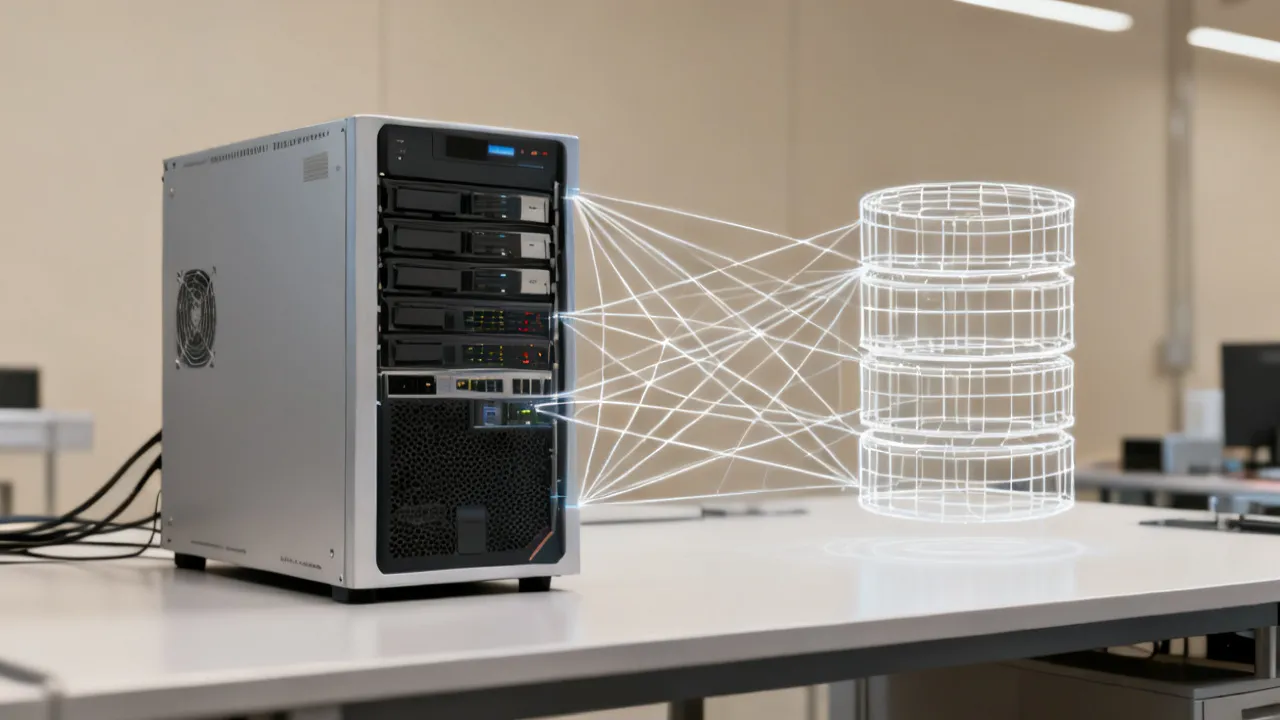
Kony DBX helps organizations plan, deploy, and optimize data handling for reliable application workflows. This guide explains what “Kony DBX” typically refers to in enterprise contexts, outlines selection and integration considerations, and offers practical steps and requirements. It also addresses governance, performance, and operational risks in an objective way, including an expert Q&A section for decision-makers.

This guide explains Kony Dbx in practical terms—how it fits into modern product workflows, what to evaluate when sourcing, and which conditions typically matter before purchase. Objectively, “DBX” concepts often relate to signal/processing or equipment configuration layers, while “Kony Dbx” is commonly used as a product/series name in procurement discussions.
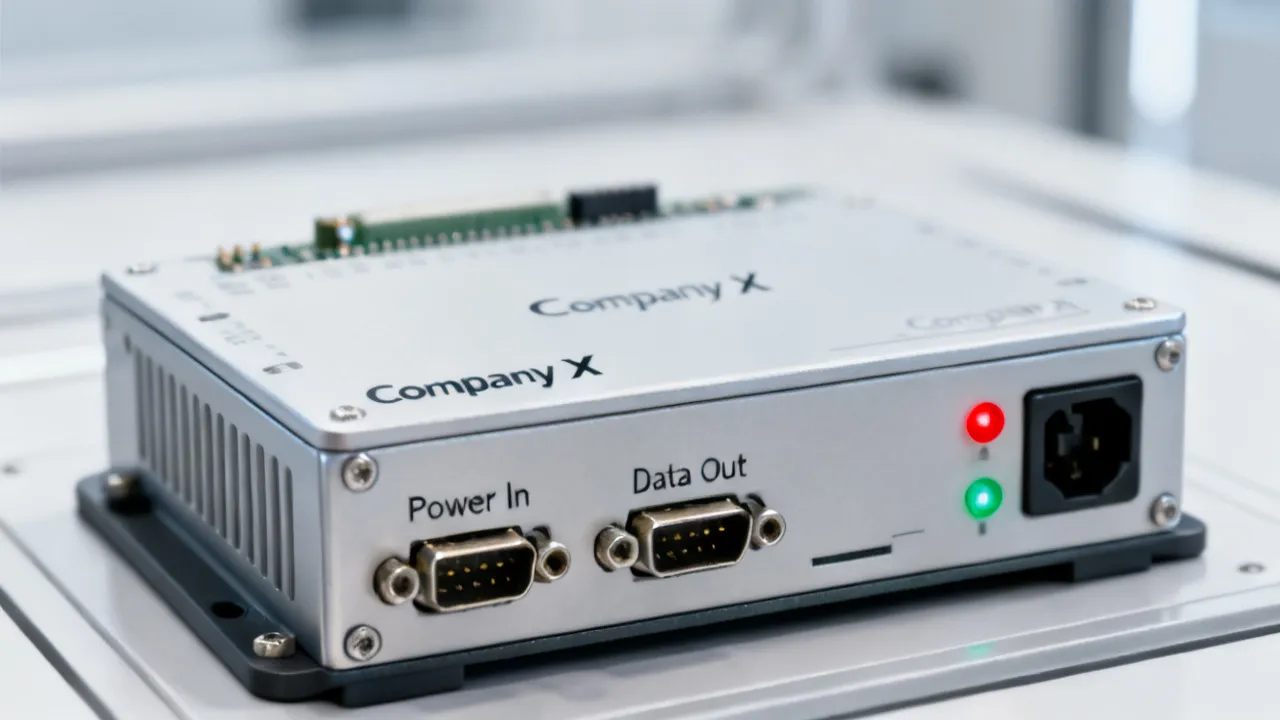
This guide explains what Kony DBX is, how it fits into deployment workflows, and what to evaluate when choosing units or integrating suppliers. Objectively, it covers typical hardware/software considerations, procurement criteria, and operational requirements. It also includes a comparison table, a practical step-by-step checklist, and expert FAQs—helping you make defensible decisions for reliability, compliance, and maintainability.

Cash Management Services for Corporates help firms centralize liquidity, streamline payments, and improve visibility across banking relationships. This guide provides objective background on cash management, key service capabilities, and typical procurement considerations, focusing on corporate treasury needs such as payment controls, forecasting support, and operational governance.