This article delves into the collaboration between Kaggle and Walmart, exploring how the alliance impacts data analytics and retail strategies. Kaggle, a prominent online platform for data scientists, enables organizations to solve complex problems using data science. Walmart, a retail giant, leverages Kaggle's expertise to enhance its operations and customer service.
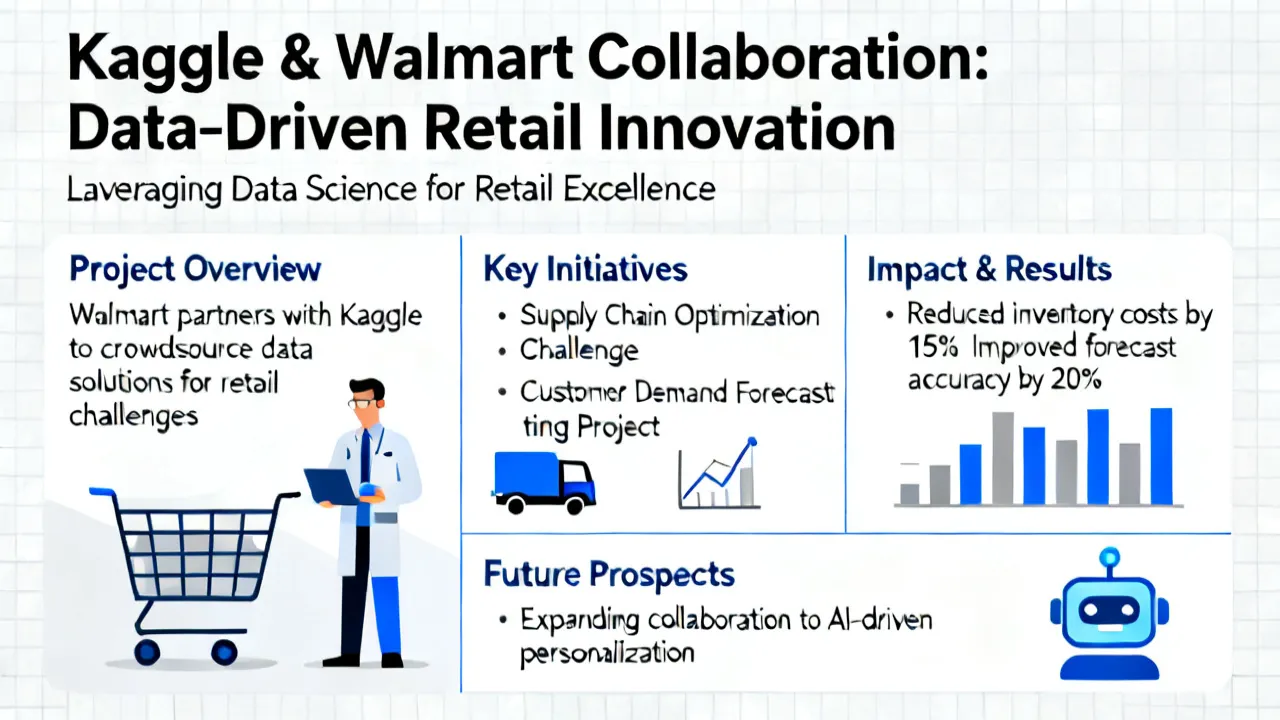
The collaboration between Kaggle and Walmart represents a significant convergence of data science and retail. Kaggle, a well-known platform owned by Google, hosts data science competitions and projects, providing data scientists with complex datasets to work on. Walmart, on the other hand, is one of the recognized global retail corporations, constantly striving to optimize its supply chain, inventory management, and customer service operations. The partnership illustrates a growing trend in the retail sector where traditional retailers are leaning towards innovative technological solutions to maintain and improve their competitive edge.
Kaggle has been instrumental in advancing data-driven decision-making processes by offering platforms and competitions where data scientists can showcase their skills. By aligning with Walmart, Kaggle provides an environment that fosters innovation in retail analytics. Walmart can leverage Kaggle's community of data experts to address its multifaceted challenges, ranging from predicting sales trends to optimizing stock levels. The unique feature of Kaggle is that it allows data scientists from varying backgrounds to compete against each other, resulting in novel solutions and insights that might not emerge from conventional approaches.
Walmart benefits significantly from its partnership with Kaggle. The retail giant operates a highly complex business model involving numerous products, suppliers, and consumer interactions. These complexities require holistic approaches that only advanced data analytics can provide. By tapping into Kaggle's vast pool of data science expertise, Walmart gains deeper insights into consumer behaviors, streamlines its supply chains, and enhances customer experiences. This partnership allows Walmart to experiment with more accurate demand forecasts and dynamic pricing models, which are crucial in maintaining competitiveness and maximizing profitability. In doing so, Walmart can remain one step ahead of competitors, particularly in rapidly changing market environments.
Despite the potential benefits, there are challenges associated with integrating big data analytics within retail. Data privacy concerns and ensuring accurate data models are persistent issues. With the increasing amount of customer data collected, ensuring compliance with regulations such as GDPR is paramount. To address these, both Kaggle and Walmart must enforce strict compliance with data protection regulations and employ robust validation techniques for their data models. Advanced encryption methods and strict data governance can also mitigate privacy concerns, ensuring customer trust is maintained while leveraging their data to enhance service offerings.
To better understand the practical applications of the Kaggle Walmart partnership, examining a few case studies can be insightful. For instance, a Kaggle competition focused on predicting weekly sales within a department using historical data enabled Walmart to adjust its supply orders to better meet consumer demands. Using predictive models, they were able to fine-tune their inventory levels and reduce wastage, which is critical in the retail industry where perishable items are involved.
Similarly, insights derived from analyzing consumer sentiment online allowed Walmart to tailor its product offerings and marketing strategies effectively. By examining social media data and online reviews, Walmart could glean patterns about product reception, allowing the company to pivot its marketing strategies and inventory decisions rapidly. One of the standout cases involved the launch of a new product line where Walmart analyzed early customer response data sourced from Kaggle-driven analyses to determine the best regions to market the products.
For nearby regions, the collaboration between Kaggle and Walmart can lead to more customized retail experiences. Local Walmart stores could implement specific data insights tailored to the shopping habits and preferences of nearby customers, leading to enhanced satisfaction and loyalty. By using localized datasets that account for regional behaviors, Walmart can stock products that cater to local preferences and trends, improving community engagement.
This localized approach not only helps Walmart in inventory management but also fosters a stronger connection with the community. When customers find products that resonate with their culture or preferences, they are more likely to return. Personalized promotions based on local shopping habits can further enhance customer loyalty, positioning Walmart as not just a shopping destination but a staple of the community.
The synergy between Kaggle and Walmart exemplifies how data analytics can revolutionize retail strategies. By embracing technology and big data, Walmart positions itself to meet the evolving demands of modern consumers more efficiently and effectively. This partnership not only enhances Walmart's operational capabilities but also sets a precedent for other retailers aiming to integrate data analytics into their business models. Embracing this innovation signals a shift towards a more data-driven approach in retail, prioritizing customer needs and adapting swiftly to meet market changes. As this partnership continues to evolve, the lessons learned could pave the way for further advancements in retail technology applications.
Machine learning has increasingly become a cornerstone of retail operations, serving as a powerful tool for making sense of large volumes of data generated in real-time. For Walmart, employing machine learning helps in multiple sectors of its business model. From enhancing customer experiences through personalized recommendations to dynamically adjusting prices based on market demand and competition, machine learning techniques can adapt business operations to meet current consumer needs.
For instance, Walmart implemented machine learning algorithms to optimize pricing strategies, reacting in real-time to competitors’ pricing modifications and consumer shopping trends. By using historical data and predictive analytics, Walmart can determine the optimal price point for products, balancing sales volume and profit margins effectively.
Additionally, machine learning can enhance customer service quality. Walmart can deploy chatbots powered by natural language processing to streamline customer inquiries and support requests, improving response times and customer satisfaction levels. By leveraging machine learning, Walmart can offer support and service at all hours, addressing customer needs without requiring a large increase in staff.
While there are substantial benefits to using big data in retail, ethical considerations must also be at the forefront of discussions surrounding its application. Concerns over data privacy, informed consent, and potential biases in data algorithms raise important questions about the responsibility retailers have in protecting consumer data. Walmart, being an industry leader, holds a significant role in setting standards for how data analytics can be utilized responsibly.
For example, transparency in how customer data is collected, used, and shared can foster better consumer trust. Providing customers with control over their data through easily accessible privacy settings is essential in maintaining this trust. Furthermore, as the technology evolves, fairness in algorithms should be prioritized, ensuring that data models do not inadvertently propagate biases that disadvantage certain customer groups.
As retailers like Walmart navigate these challenges, an emphasis on ethical practices in data usage can lead to more sustainable business models that resonate with increasingly socially conscious consumers. Investors and shareholders are beginning to prioritize ethics alongside profitability, marking a shift in how businesses operate in the modern economy.
Looking ahead, the partnership between Walmart and Kaggle stands poised for growth and increased innovation. As the retail landscape continues to evolve with technological advancements, embracing a proactive approach to data analytics will be instrumental. Anticipating future consumer trends, enhancing customer experiences, and streamlining supply chain operations are just a few areas poised for disruption through continued collaboration.
Exploring additional avenues, such as integrating augmented reality (AR) in the shopping experience, could be facilitated by insights gained through Kaggle competitions. Retailers can use data to understand how customers interact with AR features, providing a seamless blend of technology and convenience. Developing AR applications that provide product information or virtual try-ons grounded on user analytics could significantly enhance the shopping experience.
Moreover, further collaboration on sustainability initiatives can help Walmart address rising consumer expectations for socially responsible business practices. By harnessing data for sustainable sourcing and minimizing waste, Walmart can align its operational strategies with environmental goals, illustrating a bold commitment to corporate responsibility.
The collaboration between Kaggle and Walmart signifies a transformative shift in how retailers interact with technology and data. As industry leaders, their partnership underscores the importance of evolving with the times and harnessing the power of data analytics to drive decision-making. With continuous advancements and dedicated efforts towards integrating ethical practices, the potential for enhancing business operations and customer experiences is vast. This partnership serves not only as a model for other retailers but also as an indicator of how data can shape the future of the retail landscape, ensuring responsiveness to consumer demands and fostering sustainable growth.






This guide explains how payroll teams typically access and configure Runpayroll.adp.com for reliable payroll processing. It provides objective background on why employee payroll portals matter, how authentication and permissions affect payroll controls, and what organizations should verify before running pay cycles. The focus remains on governance, accuracy, and operational readiness rather than marketing claims.

This guide explains how Runpayroll.adp.com fits into payroll operations, from setup to ongoing compliance and reporting. Background information covers why payroll portals matter, what organizations typically configure, and how an expert approach evaluates security, controls, and workflow. Readers will also find a comparison of onboarding paths, key conditions, and practical FAQs.
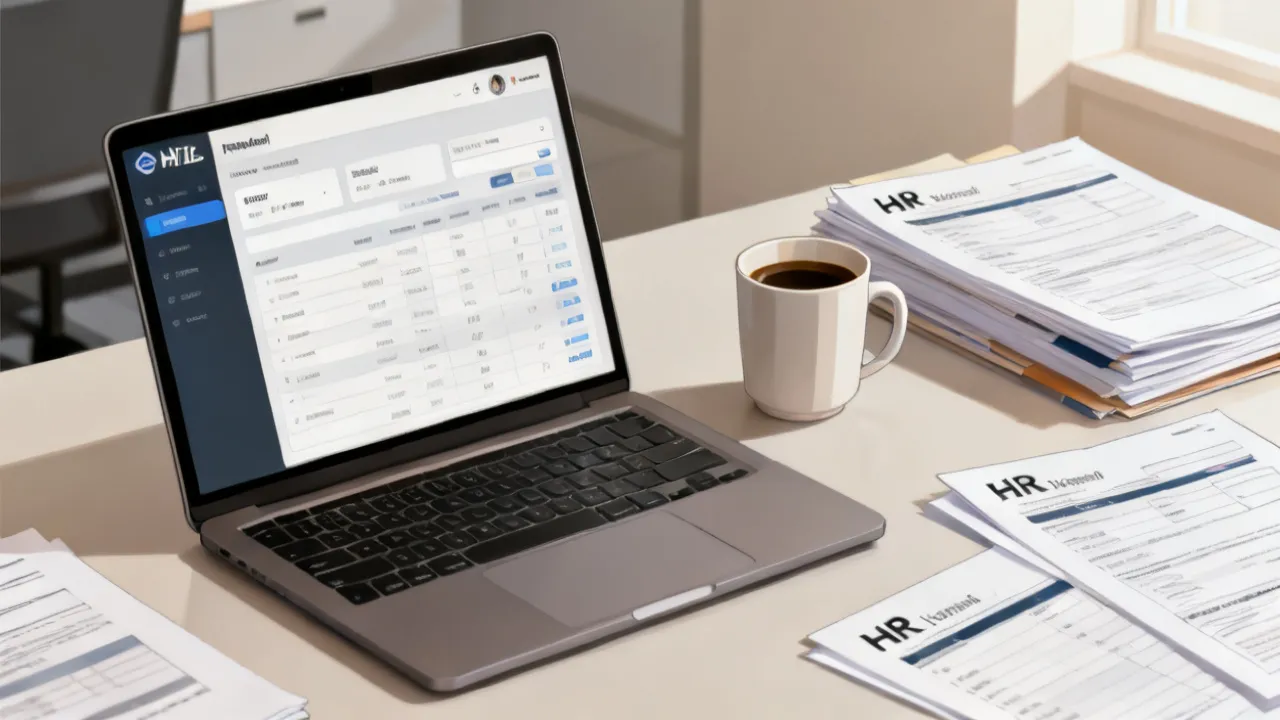
This guide reviews what people discuss on Justworks Reddit to help HR and small-business leaders evaluate payroll, benefits, and admin workflows objectively. The article summarizes common themes, explains what readers should verify, and offers a structured way to compare providers. Background context clarifies how community forums, vendor communications, and compliance realities shape user experiences.

This guide synthesizes what people commonly discuss in Justworks Reddit threads and turns it into practical, objective criteria for SMB decision-making. Background context is provided on what Justworks is, why HR/payroll conversations appear on Reddit, and how to evaluate providers without relying on hearsay or pricing rumors.

Kony DBX helps organizations plan, deploy, and optimize data handling for reliable application workflows. This guide explains what “Kony DBX” typically refers to in enterprise contexts, outlines selection and integration considerations, and offers practical steps and requirements. It also addresses governance, performance, and operational risks in an objective way, including an expert Q&A section for decision-makers.

This guide explains Kony Dbx in practical terms—how it fits into modern product workflows, what to evaluate when sourcing, and which conditions typically matter before purchase. Objectively, “DBX” concepts often relate to signal/processing or equipment configuration layers, while “Kony Dbx” is commonly used as a product/series name in procurement discussions.

This guide explains what Kony DBX is, how it fits into deployment workflows, and what to evaluate when choosing units or integrating suppliers. Objectively, it covers typical hardware/software considerations, procurement criteria, and operational requirements. It also includes a comparison table, a practical step-by-step checklist, and expert FAQs—helping you make defensible decisions for reliability, compliance, and maintainability.

Cash Management Services for Corporates help firms centralize liquidity, streamline payments, and improve visibility across banking relationships. This guide provides objective background on cash management, key service capabilities, and typical procurement considerations, focusing on corporate treasury needs such as payment controls, forecasting support, and operational governance.