The KTI Survey is a pivotal tool for assessing industry trends and performance. This survey serves as a benchmark for gauging economic and market sentiment through comprehensive data collection and analysis. As an industry standard, it provides valuable insights for businesses and analysts, helping them shape strategies and understand good industry implications.
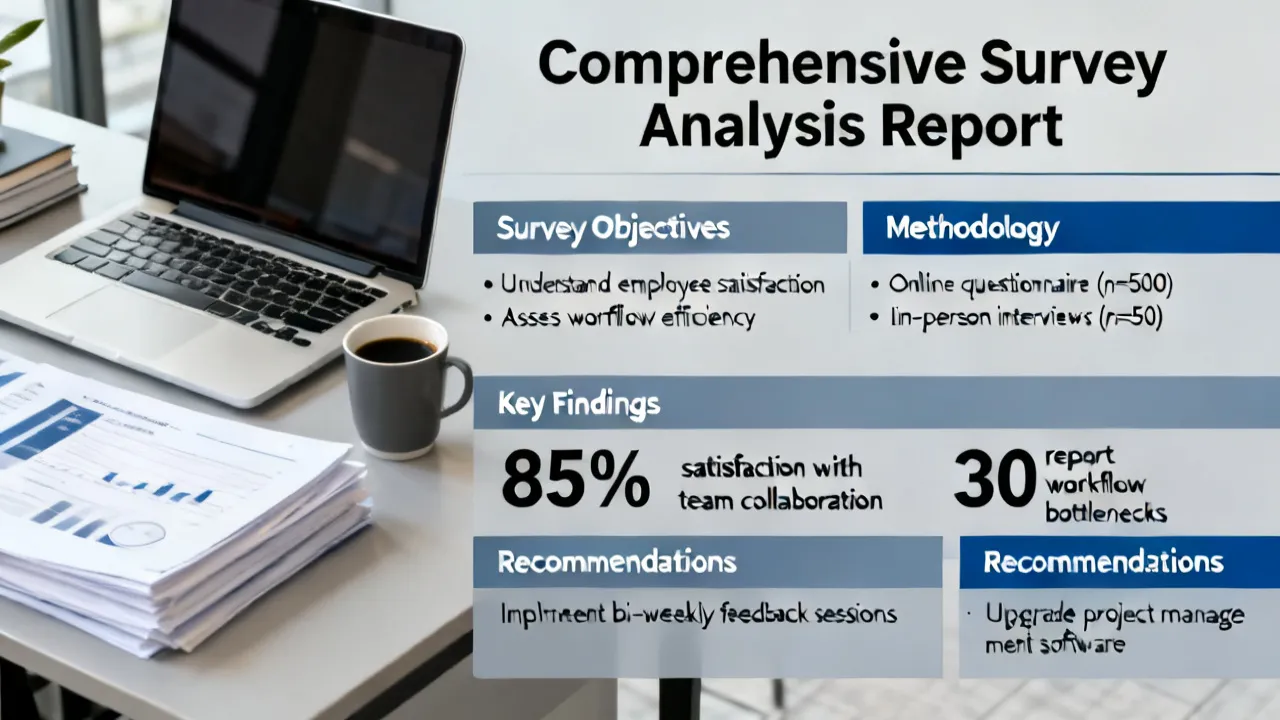
The KTI Survey stands at the forefront of market analysis, offering unparalleled insights into industry trends and economic performance. It serves as a crucial barometer for businesses and policymakers alike, guiding strategic decisions with data-driven precision. By delving into the survey's structure and results, one can gain a comprehensive understanding of its impact on both macroeconomic and sector-specific scales. Its insights extend wide-ranging implications, shaping policies and business models that respond directly to observed behaviors and expectations in the marketplace. In a world increasingly driven by data and analytics, understanding the KTI Survey's framework is not just advantageous; it is practically indispensable for maintaining a competitive edge.
Central to the effectiveness of the KTI Survey is its meticulous methodology, which encompasses a broad spectrum of industries to garner a holistic economic overview. The survey employs a mix of quantitative and qualitative data collection techniques, ensuring accuracy and reliability. Participants include a diverse range of companies, from burgeoning startups to established industry giants, thereby providing a well-rounded perspective of the market landscape. This diversity is critical, as different sectors exhibit unique trends, challenges, and growth potentials that can significantly influence overarching economic dynamics.
The data collection process typically involves online questionnaires, face-to-face interviews, and focus group discussions. Each of these methods contributes to a more thorough understanding of business sentiments and market trends. The use of technology facilitates quick data gathering and enhances the precision of the insights derived from the survey. Special attention is given to crafting questions that can reveal deeper insights, often allowing respondents to express their thoughts freely, rather than confining them to binary answer choices. This qualitative aspect enriches the quantitative data, weaving a narrative that represents the complexities of economic interactions and expectations.
Within the field of market analysis, the KTI Survey is a critical tool, allowing industry stakeholders to measure economic health. Its insights into consumer confidence and business expectations are invaluable for forecasting economic trends and cyclical patterns. As organizations strive to maintain competitiveness amid rapidly evolving markets, the survey offers a strategic advantage by highlighting opportunities and potential risks. Moreover, the ability to benchmark performance against industry averages enables companies to assess their position relative to peers and identify areas for improvement.
Given the fast-paced evolution of consumer preferences and technological advancements, the KTI Survey's relevance cannot be overstated. It communicates vital information that informs everything from product development to marketing strategies. Businesses utilizing this data can refine their offerings to better align with consumer desires, ensuring that they remain relevant and responsive in a crowded marketplace. Furthermore, policymakers can leverage survey findings to shape economic initiatives and regulatory frameworks that foster growth across sectors, thus augmenting the survey’s societal impact.
Upon reviewing the data generated by the KTI Survey, several key themes continuously emerge, reflecting the dynamic interplay of market forces and consumer behavior. Trends in digital transformation, supply chain innovation, and sustainability initiatives are consistently highlighted, offering a blueprint for adaptation in an ever-changing economic environment. The survey's findings underline the importance of strategic agility and innovation in maintaining market relevance. For instance, companies demonstrating adaptability in their operational strategies often outperform competitors who resist change, illustrating a strong correlation between responsiveness and business success.
Another recurring theme is the increasing importance of corporate social responsibility (CSR). As consumers grow more conscious of the ethical implications of their purchases, businesses that emphasize sustainability and ethical practices tend to garner higher levels of consumer trust and loyalty. This shift not only underscores a growing consumer expectation but also presents an opportunity for brands to differentiate themselves. Results from the KTI Survey indicate that firms proactively engaging in sustainable practices often report heightened levels of customer satisfaction and brand loyalty, which translates into improved financial performance.
Similarly, the surge in remote work and digital collaboration tools, amplified by recent global events, has reshaped how businesses operate. The KTI Survey reflects this trend by highlighting the increased investment in digital tools that facilitate remote communication and project management. Organizations that embrace these changes can optimize workflows and enhance productivity, positioning themselves favorably in a competitive landscape.
For businesses, leveraging the insights provided by the KTI Survey can sharpen strategic planning and decision-making processes. By aligning operations with emerging trends and consumer expectations identified in the survey, organizations can enhance their resilience and growth prospects. Furthermore, the survey encourages a proactive approach to market challenges, empowering companies to anticipate and address potential disruptions effectively. In practice, this translates to a more agile operational model, where businesses continually re-evaluate and adjust their strategies based on the latest market indicators and insights.
Some firms utilize KTI Survey data to conduct SWOT analyses, identifying strengths, weaknesses, opportunities, and threats in their operational landscape. This analytical approach enables businesses to make informed strategic decisions that are not merely reactive but are also forward-thinking. For example, understanding market demands and consumer behaviors can guide product launches, marketing campaigns, and customer engagement strategies that resonate with target audiences, thus maximizing the return on investment.
Moreover, the competitive analysis capabilities of the KTI Survey cannot be underestimated. By understanding competitor strategies and positioning, businesses can develop counterstrategies effectively. Insights gathered from the survey can pinpoint industry shifts that signal competitive threats, providing the necessary foresight to navigate challenges. This competitive intelligence is crucial for strategic planning, driving innovation, and fostering long-term sustainability in business operations.
While the KTI Survey provides a wealth of information, interpreting the data requires careful analysis and contextual understanding. Industry experts must consider external factors, such as geopolitical events and technological advancements, that may influence the survey’s findings. Additionally, the volatility inherent in certain sectors necessitates continuous monitoring and adjustment to strategies based on the latest insights. The potential for misinterpretation of data underscores the need for expertise in analytics, enabling stakeholders to derive actionable insights rather than surface-level observations.
Another significant challenge relates to the timeliness of the data collected. Economic conditions can change rapidly, and any lag in survey conduction and reporting can impact decision-making timelines. Companies must remain vigilant about the relevance of survey data in the context of current events, as a shift in consumer sentiment or market conditions can quickly render previous findings less applicable. Therefore, integrating KTI Survey data with real-time analytics can bolster strategic adaptability, ensuring that decisions align with the most current market realities.
Furthermore, survey participation rates and sample diversity can have implications for the validity of results. Ensuring that the survey captures a representative cross-section of the market is crucial for drawing accurate conclusions. This can involve targeted outreach to underrepresented sectors and demographics to paint a fuller picture of economic sentiment. Continuous improvement in survey design and implementation processes is necessary to maintain the credibility and reliability of the data collected.
| Aspect | Details |
|---|---|
| Methodology | Combines qualitative and quantitative data collection for comprehensive analysis. |
| Data Source | Includes feedback from small to large scale enterprises, ensuring robust representation across industries. |
| Key Insights | Trends in digital transformation, supply chain innovation, sustainability, and consumer sentiment analysis. |
| Application | Economic forecasting, strategic business planning, risk assessment, and competitive benchmarking. |
As the marketplace continues to evolve, the role of the KTI Survey in shaping future growth strategies becomes increasingly significant. By providing a reliable lens through which market trends and economic conditions are assessed, it empowers businesses to navigate uncertainty with greater confidence. This proactive engagement not only enhances resilience but also fosters innovation and strategic foresight. Organizations that proactively utilize KTI Survey insights can position themselves as industry leaders willing to embrace change and harness new opportunities as they arise.
Moreover, the implementation of findings from the KTI Survey can extend beyond immediate business strategies to inform broader economic policies. Policymakers can utilize insights to craft initiatives that bolster economic resilience, promote sustainable practices, and stimulate growth across various sectors. As businesses and governments work symbiotically, the KTI Survey's contributions become foundational to promoting not just individual growth but overall economic health and stability.
The integration of KTI Survey results into long-term strategic planning underscores the shift towards data-driven decision-making in the modern economy. Companies that prioritize data-enlightened strategies can better anticipate market disruptions and prepare adaptive strategies accordingly. Investment in data analytics and interpretation capabilities becomes a competitive necessity, allowing organizations to discern trends and insights that drive their business outcomes.
The KTI Survey is designed to provide comprehensive insights into market trends and economic conditions, aiding in strategic decision-making for businesses and policymakers. It aims to collect and analyze data that reflect the sentiment and expectations of various sectors, thus serving as a critical input for future planning.
By leveraging insights from the KTI Survey, businesses can enhance their strategic planning, anticipate market shifts, and identify potential growth opportunities, which can lead to improved operational efficiencies and an ability to capitalize on emerging trends.
Interpreting the data requires contextual understanding and consideration of external factors that may impact the findings, such as geopolitical events and technological advancements. Additionally, understanding the statistical significance and practical implications of the survey results is vital to avoid misinterpretation.
The frequency of the survey varies but typically aligns with key economic cycles to provide timely insights. Regular intervals of assessment ensure that stakeholders remain informed about shifting trends and emerging issues.
In conclusion, the KTI Survey remains an essential resource for anyone looking to understand and strategize within the complex tapestry of today's market. The survey's capacity to distill extensive data into actionable insights positions it as a vital tool for businesses and policymakers alike. Through careful interpretation and application, it unlocks pathways to economic resilience and sustainable growth. Companies committed to foundational changes driven by survey insights are likely to emerge as champions of innovation and adaptability, ready to tackle whatever challenges the future may hold. Embracing the findings of the KTI Survey means investing in a future of informed decisions and strategic foresight, ensuring that organizations thrive amidst volatility and uncertainty.






Payment Processing Solutions are integral to modern commerce, facilitating seamless transactions between buyers and sellers. Deploying efficient systems allows businesses to handle payments securely and quickly across various platforms, providing a crucial backbone for ecommerce and traditional retail settings. This article delves into the nuances of payment processing, offering a thorough understanding for businesses looking to enhance their transaction capabilities.
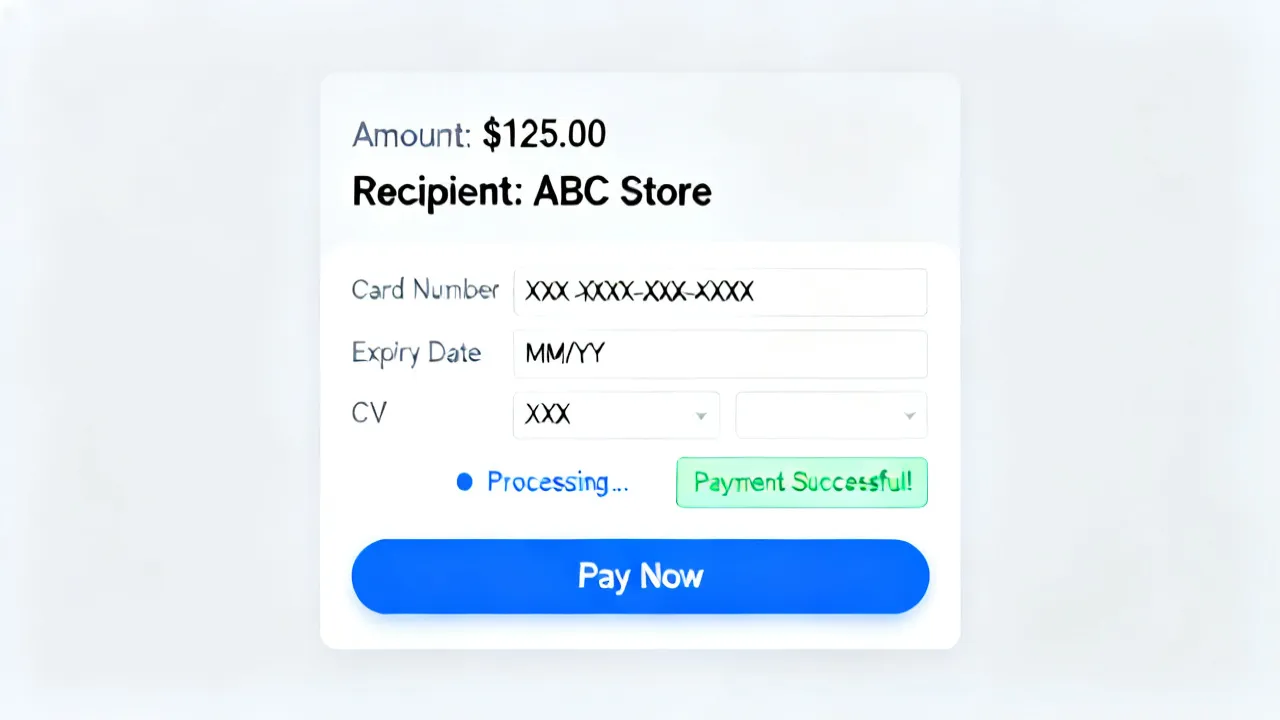
Payment processing solutions are essential systems enabling businesses to handle transactions electronically, facilitating seamless financial activity. With the growing shift towards online and contactless payments, understanding these solutions is vital for businesses to stay competitive and ensure customer satisfaction. This guide explores the intricacies of payment processing, dissecting its components and how businesses can leverage these systems to enhance efficiency and security.

This guide delves into the realm of Payment Processing Solutions, essential for businesses enduring the challenges of efficiently handling financial transactions. These solutions integrate secure, fast, and customer-friendly payment technologies that are crucial for modern commerce, whether in-store or online. By implementing tailored strategies, businesses can optimize operations, reduce costs, and enhance customer satisfaction through seamless payment experiences.

Payment processing solutions are integral to modern commerce, facilitating secure and efficient transactions for businesses worldwide. These systems handle the authorization, transaction, and fund transfer processes, ensuring a seamless experience for both merchants and consumers. From credit cards to digital wallets, they are the backbone of financial transactions, evolving rapidly with technology advances.
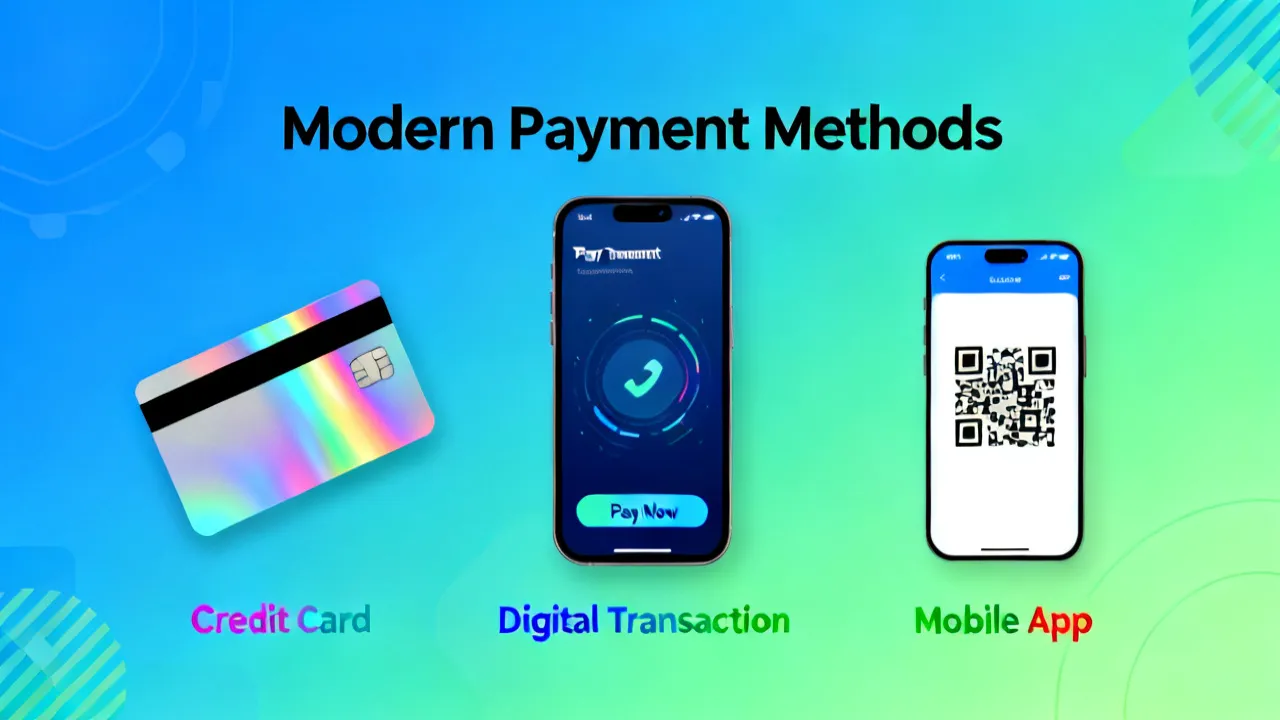
This article delves into the vital role of payment processing solutions in today’s business landscape, highlighting their importance in facilitating transactions between companies and customers. With advancements in technology, such solutions have evolved to ensure increased security, speed, and efficiency for businesses across various sectors.
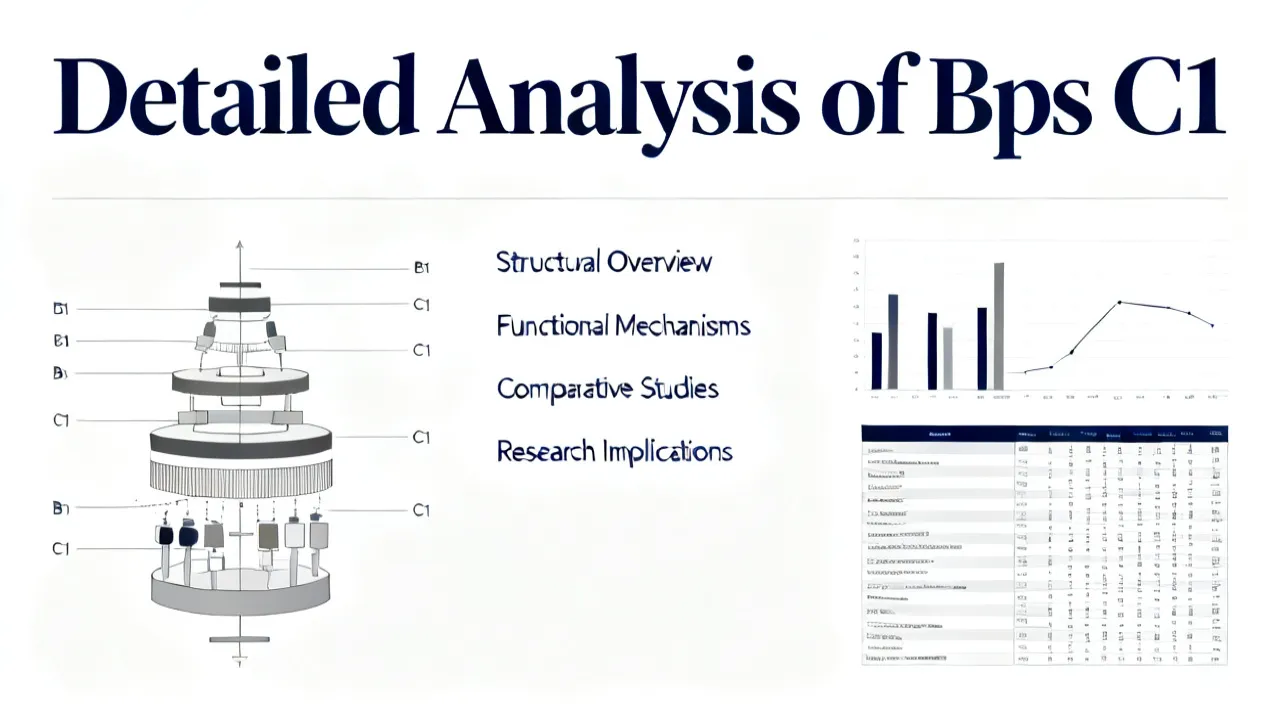
This article delves into the multifaceted applications of Bps C1, exploring its significance in various industries. Bps C1 refers to a class of products or technologies utilized in several sectors, and its prominent role in streamlining processes and enhancing operational efficiency is crucial for organizations aiming for competitive advantage.

This article delves deep into the pivotal role of Bps C1 in modern data systems, providing insights into how Bps C1 functions as a unit of measurement critical for assessing data transfer rates. Bps C1 stands as a measure of bits per second within communication networks, ensuring precise data flow evaluation. In a landscape where data transfer is foundational, the comprehension of Bps C1 is indispensable for industry professionals.

This article delves into payment processing solutions—integral components of contemporary commerce. These solutions facilitate the electronic exchange of funds, streamlining transactions between buyers and sellers. With a multitude of options available, including credit card processing, digital wallets, and mobile payments, the industry has evolved into a complex landscape, necessitating careful selection based on business needs and technological trends.