This article delves into the realm of Kti Survey, a tool utilized for gathering insightful data across various industries. It explores its importance, application, and benefits, providing a detailed analysis from an industry expert's perspective. Although no additional information is present, the article focuses on how businesses can leverage this tool for enhanced decision-making and strategic planning.

The Kti Survey is an essential tool in today's data-driven world, employed to collect and analyze information across different sectors. It serves as a bridge between raw data and actionable insights, enabling businesses to refine their strategies based on solid evidence. The survey's ability to capture a wide spectrum of responses makes it invaluable for organizations keen on understanding market trends, customer preferences, or employee satisfaction. This capability is especially crucial in an era characterized by rapid change and increasing competition, as organizations need to be agile and responsive to remain relevant.
In the contemporary business ecosystem, understanding client needs and industry dynamics is crucial for success. The Kti Survey provides a structured method to gather this information, allowing companies to tailor their approaches and improve their offerings. By systematically collecting data, it aids in recognizing patterns and predicting future trends, thus empowering organizations to make informed decisions. For instance, a company that leverages Kti Surveys to understand customer sentiment may discover emerging preferences that inform product innovation, marketing strategies, and customer service improvements. Furthermore, with the ability to segment data based on demographics, businesses can customize their approaches to meet the unique expectations of different customer groups.
Kti Surveys are designed meticulously to ensure the accuracy and relevance of the information collected. Typically, these surveys encompass closed and open-ended questions, providing a balance between quantitative and qualitative data. The structured nature of closed questions allows for statistical analysis, while open-ended questions encourage respondents to express their thoughts freely, providing deeper insights. The results can be analyzed via statistical tools, offering a comprehensive overview of the subject matter. This data-centric approach not only enhances the strategic planning process but also supports continuous improvement initiatives. By employing methodologies such as random sampling and using technology for real-time data collection, organizations can ensure that the survey results are both reliable and representative of the larger population.
Implementing Kti Surveys brings numerous advantages to businesses:
Despite their advantages, conducting Kti Surveys can come with challenges, such as respondent fatigue or biased responses. Respondent fatigue can occur when surveys are too long or repetitive, leading to lower quality responses as participants rush to complete them. Overcoming these hurdles involves designing engaging surveys that are concise and relevant, which encourages honest feedback. Additionally, ensuring anonymity can enhance response authenticity, as respondents are more likely to share their true opinions without fear of repercussions.
Another common challenge is the interpretation of complex data. In many cases, organizations collect a wealth of information that might be difficult to make sense of. Leveraging advanced analytics through specialized software can help in interpreting complex data effectively, transforming raw information into clear, actionable insights. Training personnel on data analysis tools and methodologies can further enhance the organization’s capacity to derive meaningful conclusions from survey results. Furthermore, timely feedback to participants can enhance future engagement and response rates, creating a cycle of improvement in data collection.
From healthcare to retail, numerous industries benefit from Kti Surveys. In healthcare, for instance, patient feedback on service quality can drive significant improvements. Hospitals and clinics that conduct surveys to understand patient experiences can identify areas needing attention, leading to higher satisfaction and better health outcomes. Similarly, telemedicine platforms can use surveys to gauge user satisfaction and streamline services based on patient needs.
In retail, understanding customer purchasing behaviors aids in optimizing product offerings and marketing strategies. Retailers can sketch out customer journeys through surveys to pinpoint where potential drop-offs occur, enabling them to make adjustments that enhance the customer experience. Additionally, e-commerce platforms routinely employ Kti Surveys to gather insights on user satisfaction with the online shopping experience, leading to enhanced interfaces and customized promotional strategies.
In the finance sector, banks and financial institutions often use surveys to gauge customer satisfaction with their services. By regularly collecting feedback, they can improve product offerings and customer service processes, ultimately leading to stronger customer relationships and increased loyalty.
Education institutions also leverage Kti Surveys to understand student experiences and engagement. Through feedback on course content, teaching methods, and overall campus life, universities can make more informed decisions about curriculum development and student services, enhancing the entire educational experience.
| Step | Description |
|---|---|
| 1. Planning | Define objectives and target audience for the survey. This includes determining key metrics to measure and understanding the demographics of the target respondents, which ensures relevance and accuracy of results. |
| 2. Design | Develop the survey format and questions. This stage should focus on creating questions that are clear, unbiased, and varied, to capture a wide range of insights while avoiding ambiguity and leading questions. |
| 3. Distribution | Reach respondents through various channels. This may include email, social media, websites, or mobile applications, depending on where the target audience is most accessible. |
| 4. Collection | Gather responses and store data securely. Ensure that all collected data is handled with confidentiality and respect for privacy regulations, fostering trust with respondents. |
| 5. Analysis | Interpret the collected data using statistical tools. Analysts should be equipped with techniques to handle large datasets, summarize findings, and extract meaningful patterns. |
| 6. Reporting | Present the findings in a comprehensible format to stakeholders. This includes visual data representations such as charts and graphs, which can help in conveying complex information effectively. |
| 7. Action Plan | Create an action plan based on the insights gained from the survey. This plan should outline specific steps to address issues raised and capitalize on opportunities identified through the data. |
| 8. Feedback Loop | Solicit additional feedback on the survey process itself to continuously improve future surveys. Engaging respondents in this way shows that their input is valued and leads to enhanced quality of future data. |
Q: What is the primary purpose of the Kti Survey?
A: The Kti Survey aims to gather insightful data to assist organizations in strategic planning and decision-making. It enables a clearer understanding of client and employee perspectives, which can guide future initiatives.
Q: How can businesses ensure high response rates?
A: Engaging content, clear communication of benefits, and respecting respondent anonymity can enhance response rates. Offering incentives for completing surveys, such as discounts or entry into sweepstakes, can also improve participation.
Q: What sectors frequently use Kti Surveys?
A: Sectors like healthcare, retail, finance, and education commonly use Kti Surveys to gain nuanced insights into market and operational dynamics. Each sector applies the insights differently, addressing specific industry challenges and goals.
Q: How often should Kti Surveys be conducted?
A: The frequency of Kti Surveys depends on the dynamics of the industry and specific organizational needs. For example, fast-moving sectors may benefit from quarterly surveys, while others may find annual surveys sufficient for tracking change.
In conclusion, the Kti Survey is a versatile tool that plays a pivotal role in shaping the decisions and strategies of modern-day businesses. By providing a detailed analysis, this article underscores the significance of integrating such tools for sustainable growth and innovation in a competitive market. Furthermore, as businesses continue to navigate the complexities of customer expectations and market trends, the Kti Survey will remain an indispensable mechanism for fostering insight-driven strategies that propel organizations toward more strategic outcomes and enhanced efficacy.






Payment Processing Solutions are integral to modern commerce, facilitating seamless transactions between buyers and sellers. Deploying efficient systems allows businesses to handle payments securely and quickly across various platforms, providing a crucial backbone for ecommerce and traditional retail settings. This article delves into the nuances of payment processing, offering a thorough understanding for businesses looking to enhance their transaction capabilities.
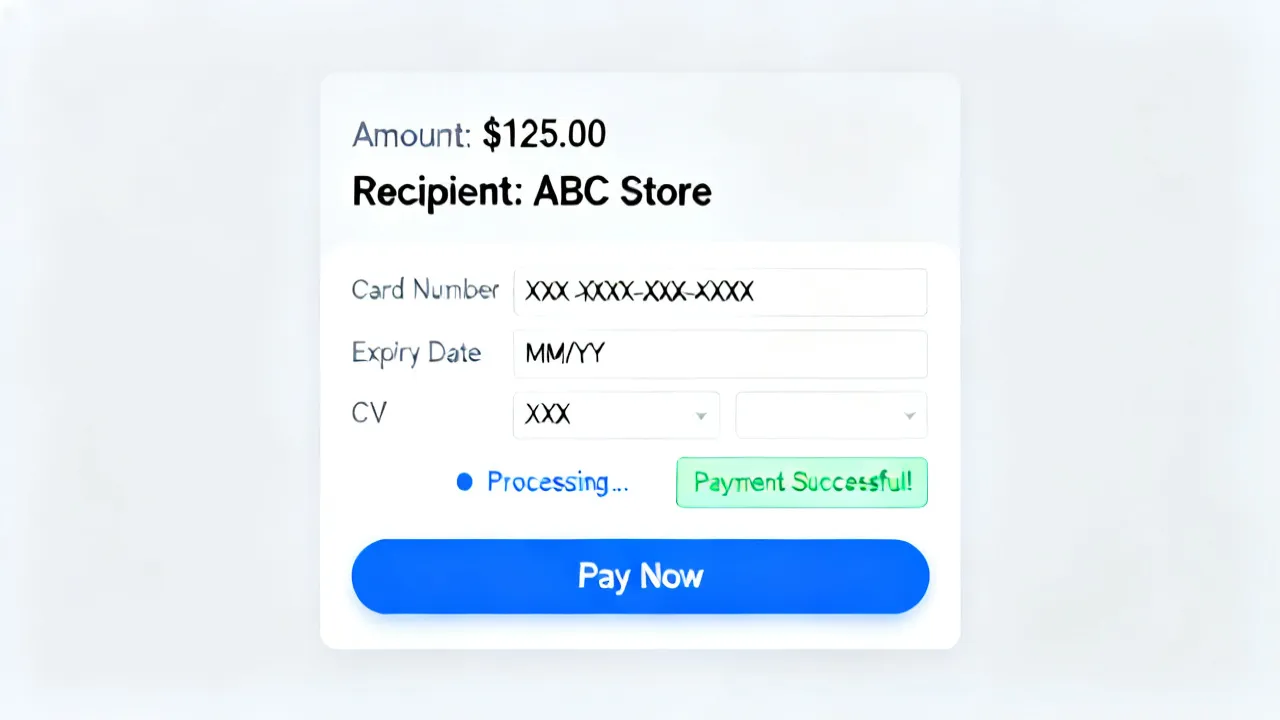
Payment processing solutions are essential systems enabling businesses to handle transactions electronically, facilitating seamless financial activity. With the growing shift towards online and contactless payments, understanding these solutions is vital for businesses to stay competitive and ensure customer satisfaction. This guide explores the intricacies of payment processing, dissecting its components and how businesses can leverage these systems to enhance efficiency and security.

This guide delves into the realm of Payment Processing Solutions, essential for businesses enduring the challenges of efficiently handling financial transactions. These solutions integrate secure, fast, and customer-friendly payment technologies that are crucial for modern commerce, whether in-store or online. By implementing tailored strategies, businesses can optimize operations, reduce costs, and enhance customer satisfaction through seamless payment experiences.
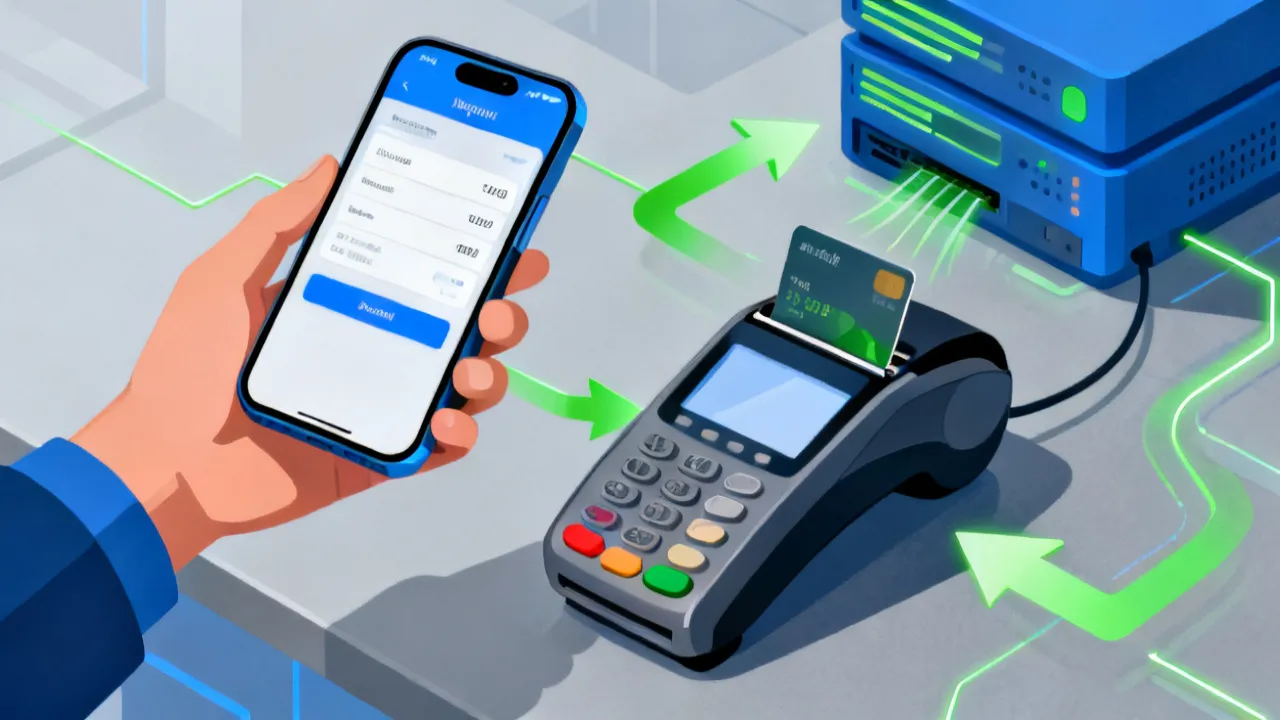
Payment processing solutions are integral to modern commerce, facilitating secure and efficient transactions for businesses worldwide. These systems handle the authorization, transaction, and fund transfer processes, ensuring a seamless experience for both merchants and consumers. From credit cards to digital wallets, they are the backbone of financial transactions, evolving rapidly with technology advances.
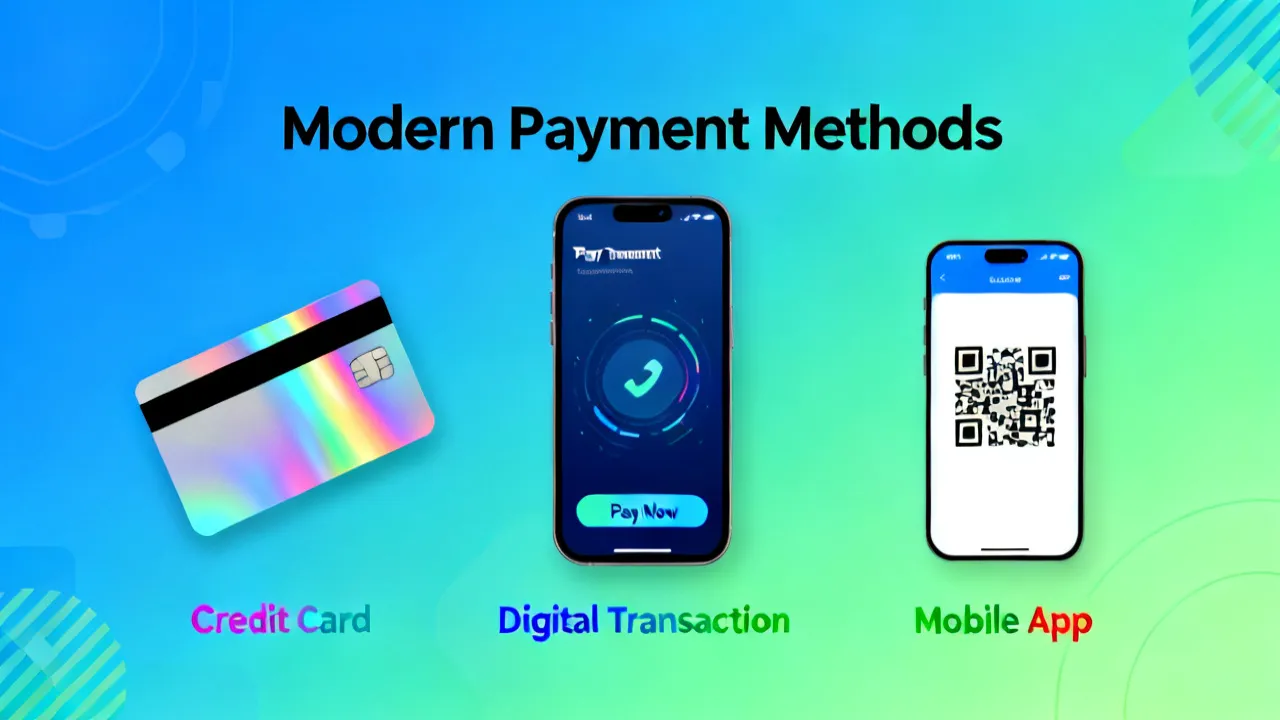
This article delves into the vital role of payment processing solutions in today’s business landscape, highlighting their importance in facilitating transactions between companies and customers. With advancements in technology, such solutions have evolved to ensure increased security, speed, and efficiency for businesses across various sectors.
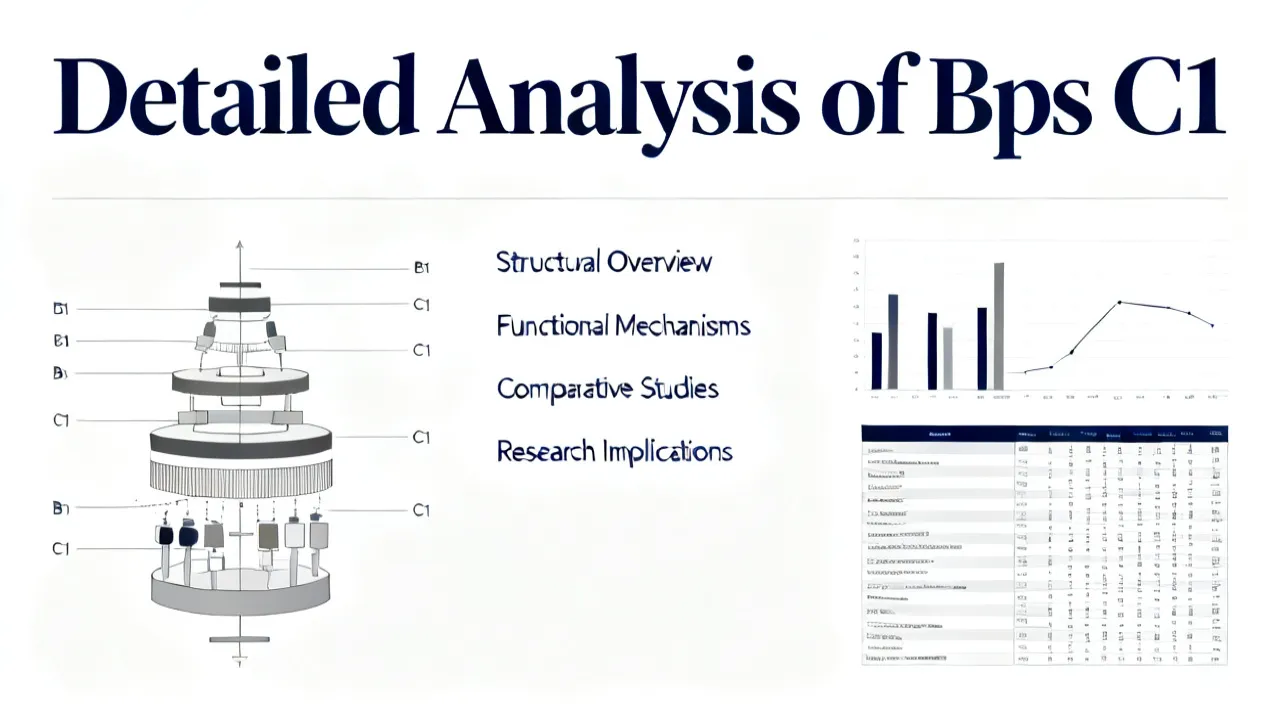
This article delves into the multifaceted applications of Bps C1, exploring its significance in various industries. Bps C1 refers to a class of products or technologies utilized in several sectors, and its prominent role in streamlining processes and enhancing operational efficiency is crucial for organizations aiming for competitive advantage.

This article delves deep into the pivotal role of Bps C1 in modern data systems, providing insights into how Bps C1 functions as a unit of measurement critical for assessing data transfer rates. Bps C1 stands as a measure of bits per second within communication networks, ensuring precise data flow evaluation. In a landscape where data transfer is foundational, the comprehension of Bps C1 is indispensable for industry professionals.

This article delves into payment processing solutions—integral components of contemporary commerce. These solutions facilitate the electronic exchange of funds, streamlining transactions between buyers and sellers. With a multitude of options available, including credit card processing, digital wallets, and mobile payments, the industry has evolved into a complex landscape, necessitating careful selection based on business needs and technological trends.