The Kti Survey is a critical tool for gauging market trends, consumer preferences, and industry performance. By collecting comprehensive data, it provides valuable insights that guide business strategies. This article delves into the survey's methodologies, explores its implications in various sectors, and evaluates its influence on decision-making processes using expert analysis.
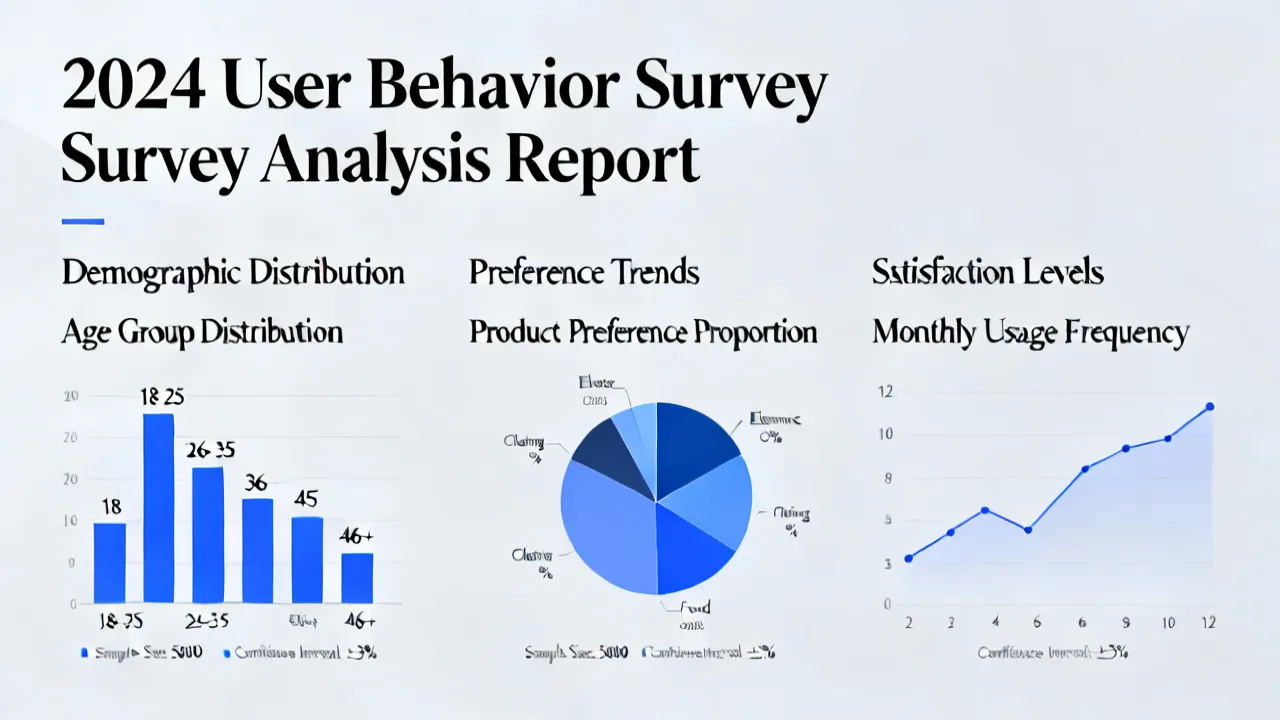
The Kti Survey stands as a cornerstone in the realm of market analysis, offering in-depth insights into consumer behavior and industry dynamics. Known for its rigorous methodologies and comprehensive data collection, the survey aids businesses in understanding emerging trends, enabling informed strategic planning. The importance of such surveys cannot be overstated, given the rapidly changing consumer landscapes and market conditions that businesses are facing today. The Kti Survey not only tracks current trends but also attempts to forecast future shifts by exploring latent consumer behaviors, thereby equipping organizations with the foresight needed to adapt and thrive.
The hallmark of the Kti Survey is its robust methodological framework. Employing both qualitative and quantitative approaches, the survey captures a wide spectrum of market variables. This dual methodology ensures that the data collected not only reflects numerical trends but also uncovers the motivations behind consumer behaviors. Typically, data is collected through online platforms, telephone interviews, and face-to-face interactions, ensuring a representative sample across various demographics.
A blend of open-ended questions and structured queries allows for both breadth and depth in data analysis. For instance, while structured questions provide quantifiable data that allows for easy comparisons, open-ended questions enable participants to express their thoughts and opinions freely, revealing insights that structured questions may overlook. This nuanced approach empowers researchers to engage more deeply with the data, offering a multi-faceted view of the market.
For businesses seeking to maintain a competitive edge, insights from the Kti Survey are indispensable. The survey provides key indicators of consumer preferences, emerging market trends, and economic forecasts. Such information is crucial for tailoring marketing strategies, improving product offerings, and identifying new market opportunities. Understanding consumer preferences allows businesses to align their products more closely with the needs and desires of their target market.
Moreover, the Kti Survey frequently influences high-level strategic decisions and investments. For instance, a significant shift in consumer interest towards eco-friendly products could prompt a manufacturing firm to reevaluate its production methods, potentially leading to the development of more sustainable product lines. Organizations that fail to leverage these insights risk falling behind their competitors who are quick to adapt and innovate based on the data provided by the survey.
Industry experts often look to the Kti Survey for a reliable forecast of market movements. The data collected is meticulously analyzed to project future demands and identify potential challenges. By comparing past and present survey results, analysts can discern patterns that are otherwise obscured, offering businesses a strategic advantage. For example, industry analysts might identify correlations between economic downturns and shifts in consumer spending habits, allowing companies to adjust their operations and marketing strategies accordingly.
Additionally, expert analysis often involves segmenting data by demographic factors such as age, gender, income, and geographic location. This segmentation helps businesses to understand not just what preferences are trending broadly, but how these preferences differ across various consumer demographics. Such deep dives can illuminate disparities that are critical for niche marketing strategies, making the survey data not just informative, but actionable.
Leveraging the insights provided by the Kti Survey, companies can create nuanced strategies that align with consumer expectations and market realities. For instance, a declining interest in a particular product can lead to early diversification or innovation. Conversely, identifying a rising trend can prompt increased investment in marketing and development. This proactive approach bolsters brand positioning and enhances competitive advantage.
Another crucial aspect of strategy creation based on Kti Survey Data is risk management. By understanding market trends and consumer sentiment fluctuations, organizations can anticipate challenges and mitigate risks more effectively. For example, a sudden increase in demand for online shopping could encourage traditional retail companies to expand their e-commerce capabilities or improve their supply chain logistics, ensuring they are well-positioned to serve shifting consumer needs.
Moreover, the insights from the Kti Survey can also facilitate collaboration between departments within organizations. For instance, marketing teams can synchronize their campaigns with product development based on the survey findings, leading to a more cohesive approach in delivering products that resonate with target consumers.
One of the survey's strengths lies in its capacity to illuminate consumer preferences. By examining changes in buying behavior, companies can tailor their products and services to better meet the needs of their target audiences. This alignment is critical for sustaining customer engagement and loyalty. For businesses, keeping a pulse on consumer expectations allows them to stay relevant in an increasingly crowded marketplace.
For example, consumer preferences for personalized products have been on the rise, and the Kti Survey elucidates the extent of this demand. Companies that utilize such findings can invest in personalization technologies to create unique solutions that cater to individual customer preferences. This not only enhances customer satisfaction but also helps in cultivating long-term relationships with clients, resulting in higher retention rates.
Furthermore, analyzing consumer preferences over time through the Kti Survey can help businesses understand broader lifestyle changes. For instance, trends indicating a growing inclination towards healthy living may prompt food companies to launch product lines focused on organic ingredients or lower-calorie options, tapping into the shifting lifestyle choices of the target demographic.
| Aspect | Kti Survey | Other Market Surveys |
|---|---|---|
| Methodology | Mixed Methods (Qualitative and Quantitative) | Varies widely, often less structured |
| Data Depth | Comprehensive and Detailed | Often lacks depth in certain areas |
| Focus | Broad Market Analysis with Specific Insights | May focus on niches or broader analyses |
| Customization | Highly customizable to specific industry needs | Typically standardized; less flexibility |
| Sample Diversity | Extensive demographic representation | May include limited demographic segments |
In the fast-paced, ever-evolving world of business, tools like the Kti Survey are indispensable for strategizing and staying ahead of trends. By providing a clear picture of consumer preferences and market conditions, it empowers companies to make informed decisions that drive growth. As industries continue to adapt to new challenges, the Kti Survey will remain a vital resource for navigating the complexities of the market landscape. Not only does it furnish companies with insights but it also equips them with the strategic tools necessary to convert these insights into actionable plans for expansion and innovation.
As we move further into the digital age where consumer behavior is intrinsically linked to technological advancements, the Kti Survey's flexibility and depth will likely position it as a critical tool for businesses both large and small. The ability to adapt methodologies to suit specific market requirements means the Kti Survey can not only follow trends but also anticipate them, thereby providing businesses with a roadmap for the future.
Ultimately, companies that prioritize leveraging Kti Survey data will find themselves not only surviving but thriving, even amidst the uncertainties of a fluctuating market environment. The integration of survey insights into business strategy could be the differentiating factor that sets successful companies apart from their competition, making the Kti Survey an invaluable asset for any forward-thinking organization.






Payment Processing Solutions are integral to modern commerce, facilitating seamless transactions between buyers and sellers. Deploying efficient systems allows businesses to handle payments securely and quickly across various platforms, providing a crucial backbone for ecommerce and traditional retail settings. This article delves into the nuances of payment processing, offering a thorough understanding for businesses looking to enhance their transaction capabilities.
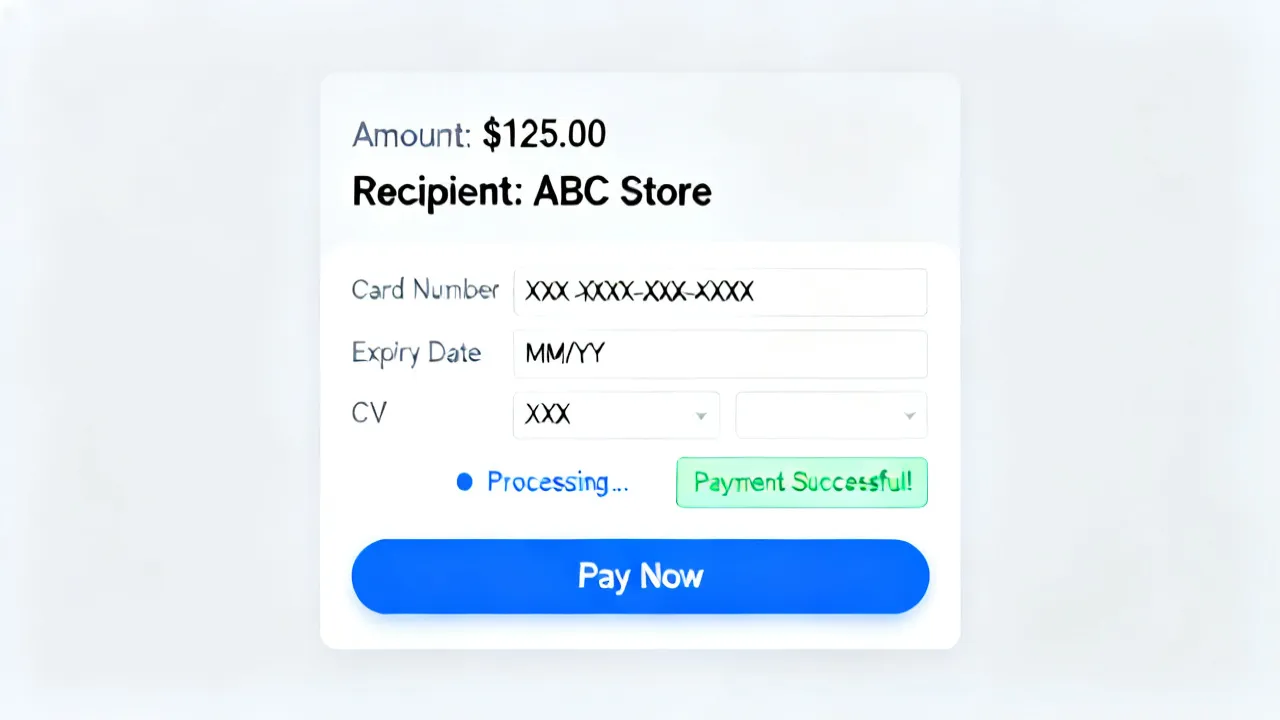
Payment processing solutions are essential systems enabling businesses to handle transactions electronically, facilitating seamless financial activity. With the growing shift towards online and contactless payments, understanding these solutions is vital for businesses to stay competitive and ensure customer satisfaction. This guide explores the intricacies of payment processing, dissecting its components and how businesses can leverage these systems to enhance efficiency and security.

This guide delves into the realm of Payment Processing Solutions, essential for businesses enduring the challenges of efficiently handling financial transactions. These solutions integrate secure, fast, and customer-friendly payment technologies that are crucial for modern commerce, whether in-store or online. By implementing tailored strategies, businesses can optimize operations, reduce costs, and enhance customer satisfaction through seamless payment experiences.

Payment processing solutions are integral to modern commerce, facilitating secure and efficient transactions for businesses worldwide. These systems handle the authorization, transaction, and fund transfer processes, ensuring a seamless experience for both merchants and consumers. From credit cards to digital wallets, they are the backbone of financial transactions, evolving rapidly with technology advances.
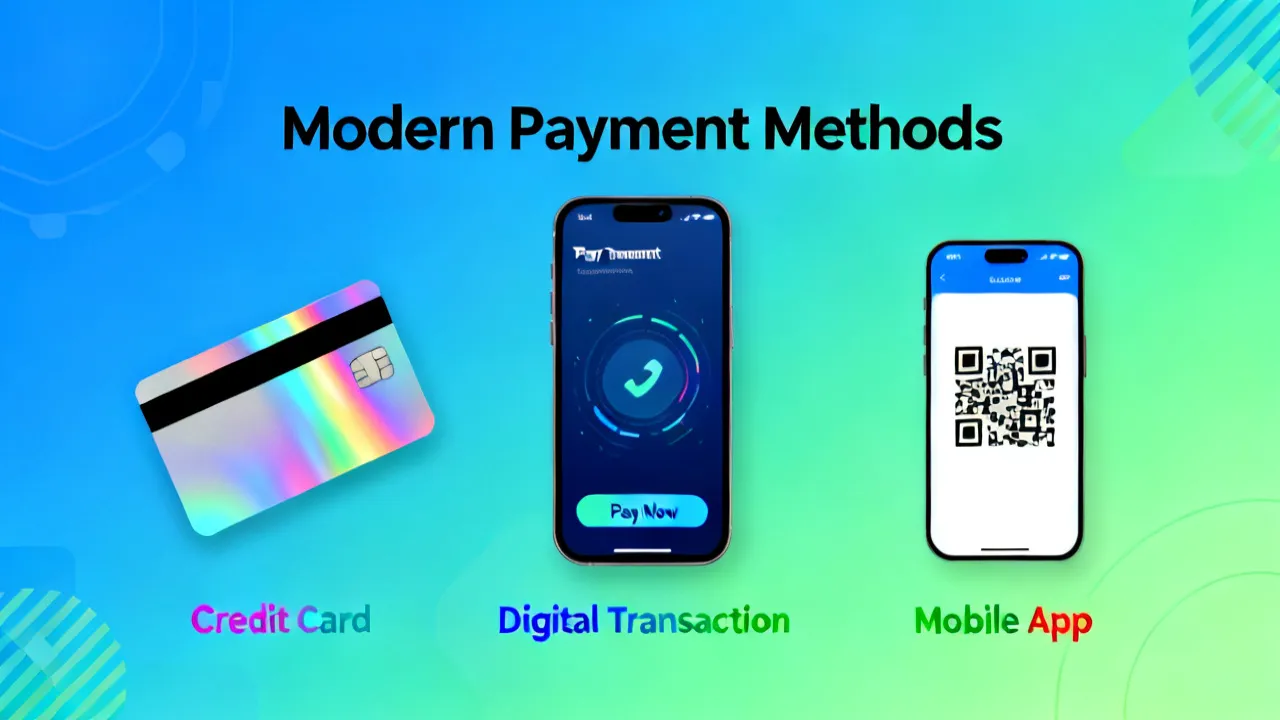
This article delves into the vital role of payment processing solutions in today’s business landscape, highlighting their importance in facilitating transactions between companies and customers. With advancements in technology, such solutions have evolved to ensure increased security, speed, and efficiency for businesses across various sectors.
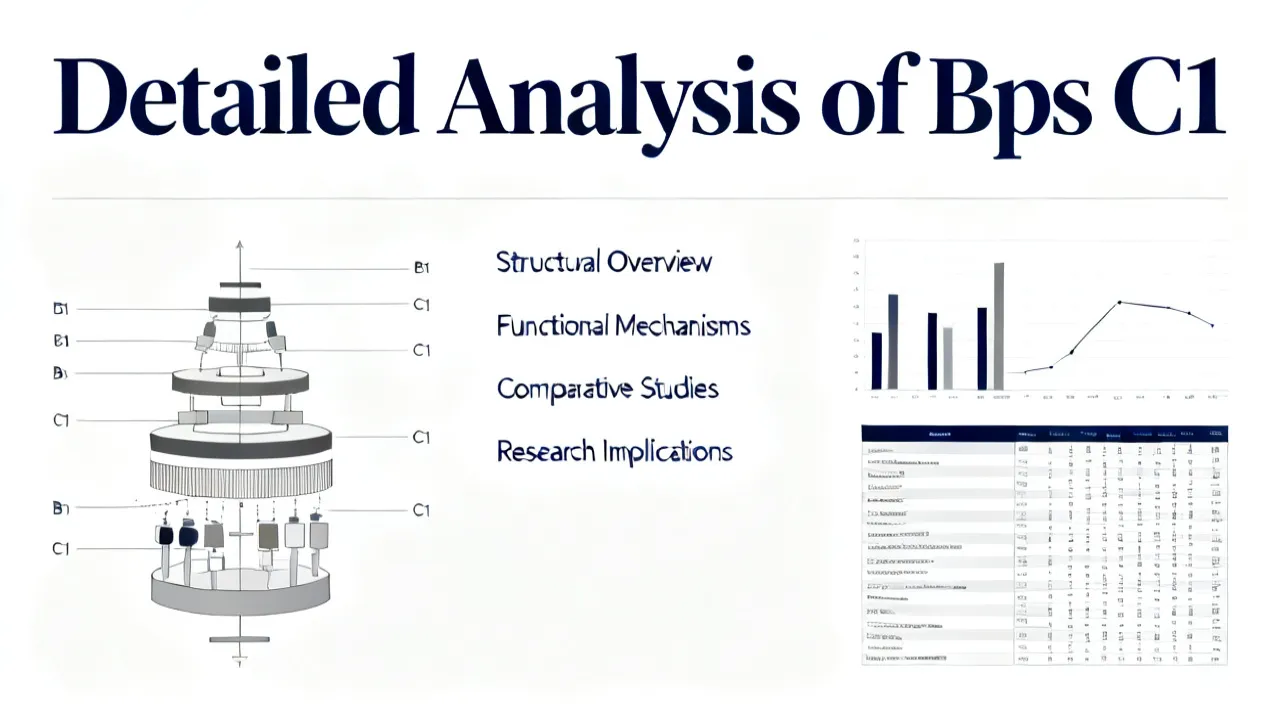
This article delves into the multifaceted applications of Bps C1, exploring its significance in various industries. Bps C1 refers to a class of products or technologies utilized in several sectors, and its prominent role in streamlining processes and enhancing operational efficiency is crucial for organizations aiming for competitive advantage.

This article delves deep into the pivotal role of Bps C1 in modern data systems, providing insights into how Bps C1 functions as a unit of measurement critical for assessing data transfer rates. Bps C1 stands as a measure of bits per second within communication networks, ensuring precise data flow evaluation. In a landscape where data transfer is foundational, the comprehension of Bps C1 is indispensable for industry professionals.

This article delves into payment processing solutions—integral components of contemporary commerce. These solutions facilitate the electronic exchange of funds, streamlining transactions between buyers and sellers. With a multitude of options available, including credit card processing, digital wallets, and mobile payments, the industry has evolved into a complex landscape, necessitating careful selection based on business needs and technological trends.