This guide provides an in-depth examination of Chapter 14 Sociology Quizlet, a valuable resource for students and scholars studying societal structures and processes. Quizlet serves as a digital tool facilitating the study of sociology through interactive learning methods such as flashcards, quizzes, and games. This article explores how Chapter 14 of Sociology can be effectively studied and mastered using Quizlet, emphasizing the platform's role in enhancing comprehension and retention.
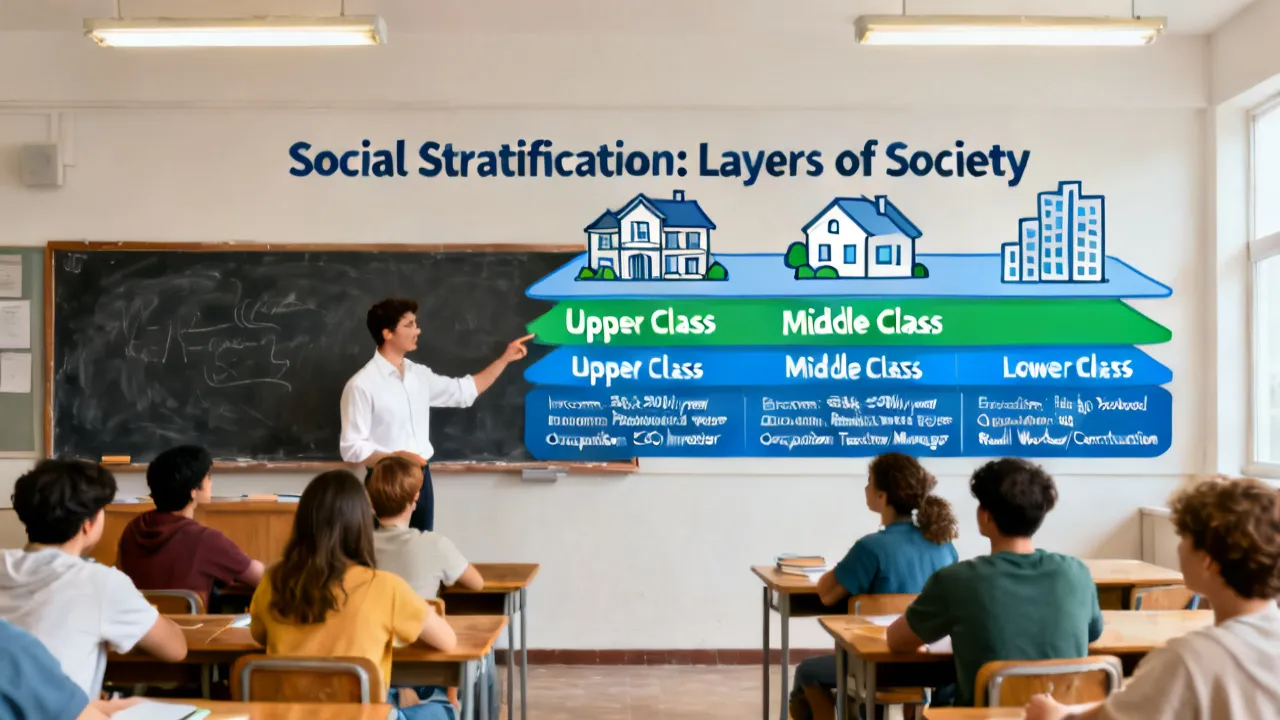
In the vast realm of sociology, Chapter 14 often serves as a crucial node in understanding complex social structures and dynamics that shape human interaction. Utilizing digital learning aids like Quizlet can significantly enhance a student's ability to grasp and retain the nuanced concepts presented within this chapter. Sociology, as a field, delves into the intricacies of social life, societal transformations, and the motives underpinning social behaviors. Chapter 14 specifically might cover themes such as social institutions, global stratification, or family dynamics, depending on the textbook in use. These themes are essential for comprehending how different societal factors influence individual and group behaviors, perceptions of identity, and social relationships. Understanding the theoretical frameworks that underlie these themes can propel a sociologist's practical and analytical skills, enabling deeper insight into everyday life and broader societal trends.
Quizlet is a widely acclaimed educational platform known for its efficacy in transforming traditional study methods into dynamic, interactive learning experiences. This platform enables students to create and engage with study sets through tools such as flashcards, quizzes, and learning games. When tackling something as potentially dense as Chapter 14 of your sociology curriculum, leveraging Quizlet can make the memorization of key terms, theories, and figures much more manageable. For students who may struggle with traditional learning methods or who thrive in interactive environments, Quizlet represents a breakthrough in study habits. It provides an opportunity for self-paced learning, which is vital in a field like sociology, where understanding can be subjective and multifaceted.
Within the context of Chapter 14, it's essential to delve deeper into the specific themes that are often explored in sociological discourse. Understanding various social institutions, for instance, lays a foundation for analyzing how they function and influence daily life. Examples of these institutions include family, education, religion, and government. Each plays a critical role in shaping individual experiences and societal expectations.
By analyzing these themes, students can better understand the foundations of social behavior and the complexities that arise within different contexts and cultures.
To maximize Quizlet's potential within sociology education, students should consider the following strategies:
| Aspect | Digital (Quizlet) | Traditional |
|---|---|---|
| Accessibility | Available anytime, anywhere with internet access, making it ideal for studying on-the-go or outside the classroom. | Limited to physical textbooks and classroom availability, which can be restrictive for expanding knowledge beyond scheduled lessons. |
| Interactivity | High engagement through interactive games, quizzes, and collaborative features, which can increase motivation and interest in the subject. | Limited to teacher-led discussions and exercises, which may not always cater to varying learning styles or levels of engagement. |
| Customization | Easy to create and modify study materials tailored to individual learning needs, allowing students to focus on specific areas of difficulty. | Requires physical alteration of notes or materials, which can be time-consuming and may not effectively address individual learning gaps. |
| Feedback | Immediate response through practice tests and quizzes, enabling quick identification of knowledge gaps and fostering timely intervention. | Often delayed and dependent on teacher availability, potentially resulting in a lag in understanding and further complicating learning. |
Leveraging platforms like Quizlet for understanding Chapter 14 in sociology can greatly enhance the learning process by making complex ideas more accessible and engaging. While traditional study methods have their place, integrating digital tools can offer flexibility and immediate feedback, crucial for effective learning. To fully embrace this edtech revolution, students should remain open-minded and adaptable, blending traditional approaches with digital resources without losing the essential analytical and critical thinking skills required to navigate sociological theories.
Furthermore, educators play a pivotal role in guiding students toward effective use of tools like Quizlet while maintaining a comprehensive understanding of core sociological principles. They can facilitate discussions that tie in digital learning with classic sociological inquiry, ensuring a well-rounded perspective is achieved.
As sociologists, we must adapt our learning strategies to a changing academic landscape, empowering students not just to learn about Chapter 14, but to critically engage with the chapter's themes and the broader implications across society.
What topics are commonly covered in Chapter 14 of sociology?
The content of Chapter 14 varies by textbook but often includes themes such as economy and work, government, politics, and education systems. Additionally, issues like race and ethnicity, gender roles, and globalization might also be explored, showcasing the interconnectedness of these themes within the sociological framework.
How does Quizlet facilitate learning compared to traditional methods?
Quizlet offers interactive and customizable study experiences, enhancing engagement and retention through tools like flashcards, games, and self-quizzes. The platform allows for collaborative learning opportunities that traditional methods often lack, promoting peer interaction and varied perspectives on the material.
Can teachers integrate Quizlet into their curriculum?
Yes, educators can create class-specific study sets on Quizlet, allowing students to access materials tailored to their syllabus. By integrating Quizlet into classroom activities, teachers can reinforce lessons and provide supplemental material that encourages further exploration of sociological concepts.
Are there specific studies or case examples that can enhance understanding of Chapter 14?
Instructors are encouraged to incorporate case studies and empirical research findings into discussions of Chapter 14's themes. For instance, analyzing the impact of economic policies on family structures or the role of educational institutions in promoting or hindering social mobility can enhance students' grasp of these complex issues.
In summary, utilizing digital resources such as Quizlet augments traditional study methodologies, providing a well-rounded approach to mastering substantive chapters in sociology. Whether through direct engagement with content or collaborative learning experiences, these tools help nurture a generation of critical thinkers ready to analyze and impact the world around them.






This guide explains how Emb Enroll works, what an enrollment process typically involves, and how to evaluate requirements, providers, and readiness. Background context clarifies what “Emb Enroll” generally refers to in training and onboarding ecosystems. You’ll also find objective guidance on conditions, documentation, and next steps, designed to help decision-makers proceed confidently.

This guide explains how to plan and optimize “Enrol” or “Enroll” journeys using the “Emb Enroll” framework. It neutrally reviews what these terms usually mean in enrollment workflows, where they appear in education and onboarding contexts, and which operational checks matter very. Readers will learn how to evaluate suppliers, define requirements, and manage costs and timelines with measurable discipline.

This guide explains how Enroll and enrollment workflows typically work, what “Emb Enroll” can mean in practice, and how to plan for a smooth start. Objectively, it outlines the background of enrollment processes, common requirements, stakeholder roles, and decision points—so you can evaluate suppliers and schedules responsibly without assuming outcomes.

This guide explains how Emb Enroll enrollment works, what you should prepare, and how to evaluate suppliers and pricing responsibly. It outlines the objective meaning of enrollment terms, the typical steps organizations follow to process onboarding, and the conditions that often determine eligibility, timelines, and documentation quality.

This guide explains how Enroll and enrollment support typically work, what “Emb Enroll” usually refers to in institutional settings, and how to evaluate pricing, suppliers, and requirements responsibly. It provides objective background on enrollment workflows and decision factors, including documentation, service scope, and compliance expectations, so readers can compare options with clarity and confidence.

Aihr Academy offers an innovative learning platform for HR professionals, emphasizing leadership, digital transformation, and advanced people analytics. This article delves into the essential elements of Aihr Academy, exploring its personalized approach to professional development tailored for HR professionals worldwide. As organizations face evolving workforce dynamics, the demand for specialized HR training becomes paramount.

Aihr Academy is at the forefront of online education, offering diverse courses tailored to modern professional development. Known for its advanced treatment of human resources topics, Aihr Academy provides comprehensive learning experiences through online platforms, facilitating flexibility and accessibility. Their curriculum is designed for upskilling professionals, ensuring they remain competitive in today's fast-evolving job market.

Aihr Academy provides a comprehensive platform for Human Resource professionals seeking to expand their skill sets through innovative courses and expert-led instruction. It offers a wide range of HR topics, blending theoretical knowledge with practical application, ensuring students are equipped with the latest industry trends and competencies.