This comprehensive guide elaborates on effective study strategies for mastering sociological concepts using tools like Chapter 14 Sociology Quizlet. Quizlet, an educational platform, offers diverse learning modes including flashcards, quizzes, and games, which can significantly enhance understanding and retention of complex sociological theories and terms. Dive into expert analyses and discover how to maximize your learning potential with these innovative resources.
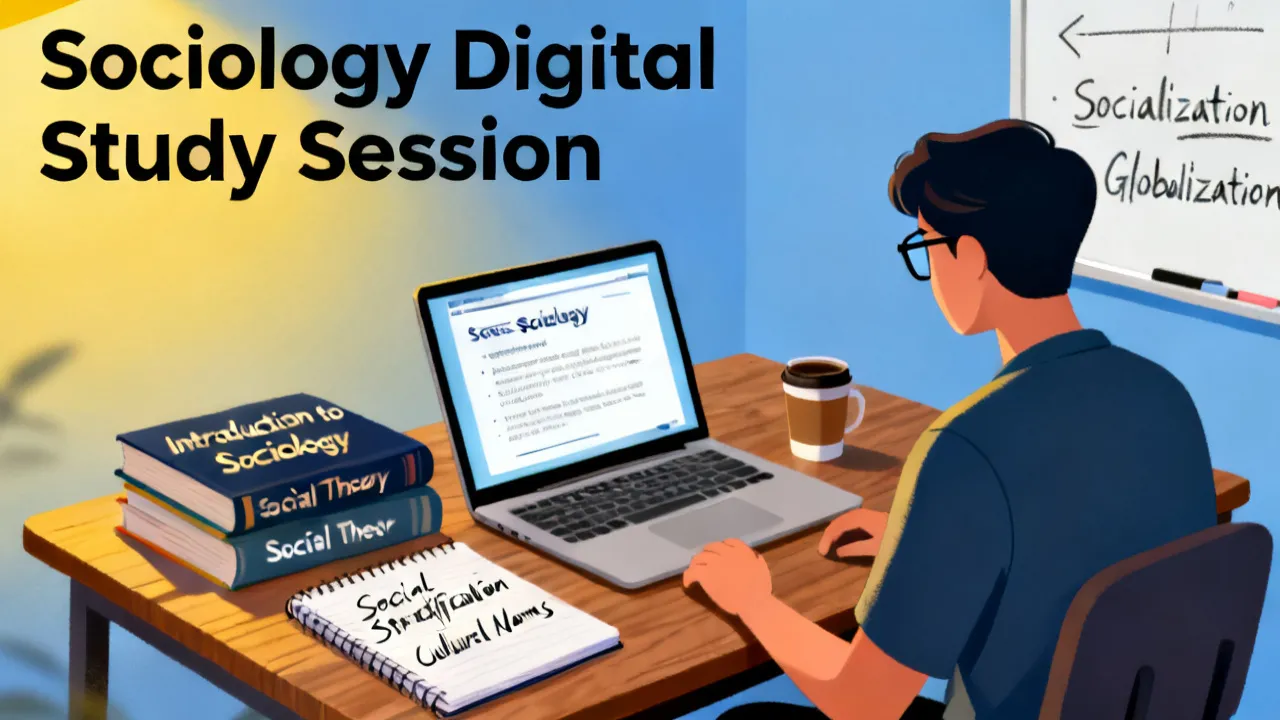
Sociology, as an academic discipline, delves into the analysis of societal structures, patterns, and relationships. This intricate field seeks to understand how individuals interact within the fabric of society, how social norms develop, and how cultural phenomena influence behaviors and institutions. As students navigate through complex theories and diverse perspectives, educational tools like Quizlet become invaluable. Chapter 14 Sociology Quizlet emerges as a potent ally in this quest, offering structured learning through its interactive features. In this expansive digital age, the interplay of technology and education has transformed the way students engage with materials, making Quizlet an essential resource.
Quizlet, renowned for its variety of study aids, simplifies the process of absorbing intricate sociological concepts. For Chapter 14 Sociology, students can leverage custom flashcards, quizzes, and games to reinforce their understanding. The active recall and spaced repetition techniques supported by Quizlet enhance memory retention, critical for subjects like sociology where elaborate theories and terminologies abound. By utilizing Quizlet's tools, students can construct a more solid foundation in sociology that extends beyond mere memorization and encourages critical thinking, allowing for a thorough exploration of sociological paradigms.
Harnessing the power of Quizlet requires strategic approaches to ensure effective learning:
Adopting Quizlet for sociological studies offers several benefits that enhance the learning experience and facilitate better academic outcomes:
| Advantage | Description |
|---|---|
| Accessibility | Available across devices, students can learn anytime, anywhere, giving them the freedom to fit study sessions into their busy schedules. The platform's mobile-friendly interface ensures that resources are always within reach, whether at home or on the go. |
| Variety of Learning Methods | Addresses different learning styles through diverse study modes, catering to visual, auditory, and kinesthetic learners. Customizable options allow students to choose how they prefer to study and what works best for their individual learning processes. |
| Community Resources | Access a vast database of previously created study sets for comprehensive understanding. This not only saves time but also enables students to learn from the approaches and insights of their peers, creating a rich resource pool. |
| Flexible Learning | Adapts to the learner's pace for more personalized education experiences. Students can revisit complicated materials as often as needed, ensuring mastery without the pressure of time constraints. |
| Immediate Feedback | Quizzes and tests provide instant results, helping students understand their comprehension levels in real-time and allowing for immediate adjustments to study habits or content focus areas. |
Integrating Chapter 14 Sociology Quizlet into your study practices offers not only efficiency but also an enriched understanding of sociological concepts. By adopting a structured and interactive approach to learning, students can transcend traditional study methods, paving the way for deeper knowledge acquisition and academic success in the field of sociology. The evolution of educational tools like Quizlet marks a significant turning point in how students engage with content, emphasizing the need for adaptability, engagement, and continuous improvement in their academic journey. As the landscape of education continues to evolve, the fusion of technology and pedagogy will only grow in importance, shaping future sociologists and thinkers who are well-equipped with both theoretical knowledge and practical capabilities.
Beyond individual study habits and tools, sociology is inherently a discipline that benefits greatly from collaborative learning. Understanding societal dynamics requires insight from various perspectives — a principle that resonates well through group study activities. Engaging in discussions with peers who are exploring similar themes from Chapter 14 can enrich understanding and offer multifaceted views on complex issues. This collaborative approach is further enhanced by platforms like Quizlet, where students can create study sets together, quiz each other in real-time, and provide support in clarifying unfamiliar materials.
In addition to tools like Quizlet, incorporating multimedia resources into sociology education can provide students with deeper and more vivid insights into sociological practices and theories. Video lectures, documentaries, podcasts, and sociological journals can serve as complementary resources, making abstract theories come alive. Visual learners can significantly benefit from graphs, charts, and infographics that summarize complex data, while auditory learners may find success in listening to podcasts and lectures that cover sociological discussions extensively.
The advent of social media also presents unique opportunities for sociology students. Platforms like Twitter, Instagram, and TikTok host thought leaders and sociologists who share insights and current sociological issues in digestible formats. Students can follow hashtags related to sociology, join groups dedicated to sociology discussions, and connect with others who share their interest in the subject. Participating in these online discussions can expand one's understanding, provide real-world applications of theories, and help in keeping abreast of emerging trends within the field.
One of the critical aspects of studying sociology is its relevance to real-world issues. Integrating real-world applications into the learning process can deepen students' understanding of the theoretical frameworks they study in Chapter 14 and beyond. Students can engage in research projects, community service, or internships that allow them to apply sociological theories in various settings. By experiencing sociological concepts in action, students gain a tangible connection to their studies, ultimately enhancing retention and critical analysis skills.
As we look ahead, the continued integration of technology into sociology education signifies a promising evolution within the discipline. Online platforms, AI-driven learning tools, and virtual classrooms will create even more dynamic learning environments, allowing educators to tailor content to fit diverse learning styles effectively. As artificial intelligence continues to advance, we may see personalized learning experiences that adapt not only to the pacing of the individual student but also to their interests and comprehension levels. The goal will remain the same: to cultivate well-rounded, knowledgeable individuals who can think critically about society and its complexities.
A successful journey in sociology demands an array of potent tools, resources, and strategies. By combining approaches that include technology, multimedia resources, collaboration, and real-world applications, students will be well-equipped to tackle both the academic demands of sociology and its practical implications. As they prepare for future careers in research, social work, public policy, or education, students will have developed not only knowledge but the critical thinking and analytical skills necessary for making meaningful contributions to society. Utilizing systems like Chapter 14 Sociology Quizlet as part of a broader academic toolkit ensures that students are not just learners but future leaders in understanding and shaping societal structures.






This guide explains how Emb Enroll works, what an enrollment process typically involves, and how to evaluate requirements, providers, and readiness. Background context clarifies what “Emb Enroll” generally refers to in training and onboarding ecosystems. You’ll also find objective guidance on conditions, documentation, and next steps, designed to help decision-makers proceed confidently.

This guide explains how to plan and optimize “Enrol” or “Enroll” journeys using the “Emb Enroll” framework. It neutrally reviews what these terms usually mean in enrollment workflows, where they appear in education and onboarding contexts, and which operational checks matter very. Readers will learn how to evaluate suppliers, define requirements, and manage costs and timelines with measurable discipline.

This guide explains how Enroll and enrollment workflows typically work, what “Emb Enroll” can mean in practice, and how to plan for a smooth start. Objectively, it outlines the background of enrollment processes, common requirements, stakeholder roles, and decision points—so you can evaluate suppliers and schedules responsibly without assuming outcomes.

This guide explains how Emb Enroll enrollment works, what you should prepare, and how to evaluate suppliers and pricing responsibly. It outlines the objective meaning of enrollment terms, the typical steps organizations follow to process onboarding, and the conditions that often determine eligibility, timelines, and documentation quality.

This guide explains how Enroll and enrollment support typically work, what “Emb Enroll” usually refers to in institutional settings, and how to evaluate pricing, suppliers, and requirements responsibly. It provides objective background on enrollment workflows and decision factors, including documentation, service scope, and compliance expectations, so readers can compare options with clarity and confidence.

Aihr Academy offers an innovative learning platform for HR professionals, emphasizing leadership, digital transformation, and advanced people analytics. This article delves into the essential elements of Aihr Academy, exploring its personalized approach to professional development tailored for HR professionals worldwide. As organizations face evolving workforce dynamics, the demand for specialized HR training becomes paramount.

Aihr Academy is at the forefront of online education, offering diverse courses tailored to modern professional development. Known for its advanced treatment of human resources topics, Aihr Academy provides comprehensive learning experiences through online platforms, facilitating flexibility and accessibility. Their curriculum is designed for upskilling professionals, ensuring they remain competitive in today's fast-evolving job market.
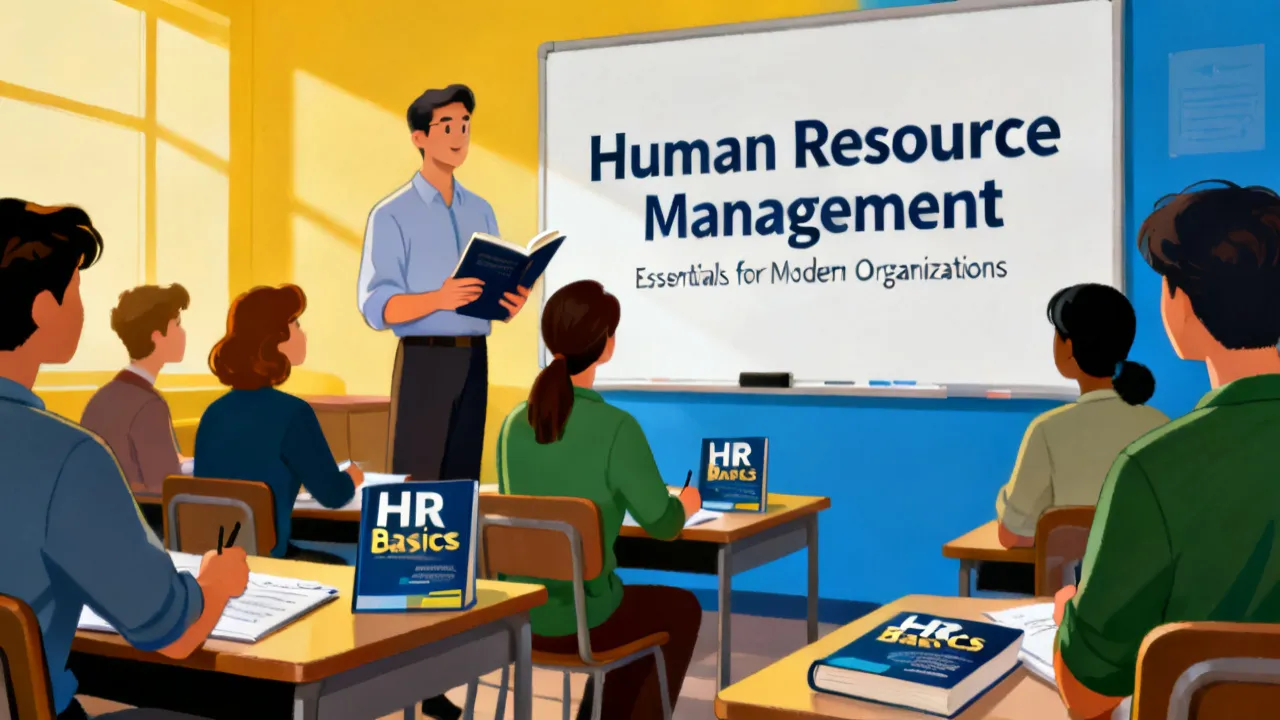
Aihr Academy provides a comprehensive platform for Human Resource professionals seeking to expand their skill sets through innovative courses and expert-led instruction. It offers a wide range of HR topics, blending theoretical knowledge with practical application, ensuring students are equipped with the latest industry trends and competencies.