The complexity of navigating the digital payments landscape can be daunting, yet Payable API offers a streamlined solution. As the importance of integration grows, understanding how such APIs function becomes vital. This article delves into the comprehensive advantages of Payable API, exploring its implications for seamless digital transactions and providing expert insights for businesses seeking enhanced performance.
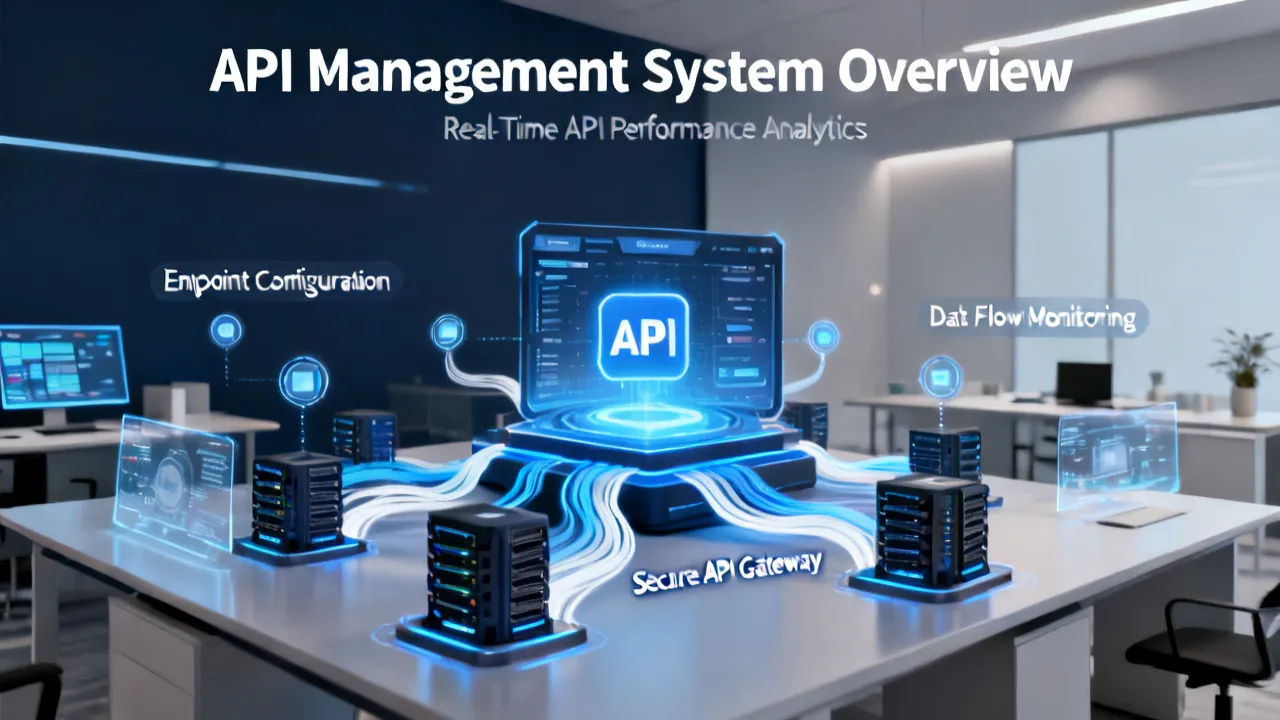
In the contemporary digital business environment, Payable API emerges as a crucial tool for managing monetary transactions efficiently. An API, or Application Programming Interface, defines the protocols for building and interacting with software applications. When it comes to payment processing, a Payable API facilitates secure, reliable, and automated financial transactions, enhancing operational efficiency and customer experience.
This technology is not merely about enabling payments; it serves as an essential bridge between different software applications that manage payments and transactions. By allowing different programs to communicate with one another, a Payable API can play a pivotal role in streamlining processes, ensuring that payments are executed smoothly and tracking the entire lifecycle of a transaction—from initiation to reconciliation.
Implementing a Payable API can significantly optimize how businesses handle their financial transactions. Through this technology, companies can automate tasks such as invoicing, payment processing, and reconciliation, thereby reducing errors, saving time, and improving the overall financial health of an organization. It shifts the focus of the financial teams from manual entry and administration to strategic analysis and decision-making, enabling a proactive approach in managing finances.
For example, consider a medium-sized online retailer. By integrating a Payable API, they could automate their payment processing, allowing them to receive payments immediately upon order confirmation. This not only enhances cash flow but also provides customers with instant confirmation and improved satisfaction. Furthermore, automated invoicing means less time is spent on administrative tasks, resulting in better resource allocation across the organization.
| Features | Description |
|---|---|
| Automation | Streamlines the execution of repetitive tasks in payment processing. |
| Security | Incorporates advanced protocols to safeguard financial data. |
| Integration | Seamlessly integrates with existing business software systems, ensuring a smooth workflow. |
| Scalability | Supports business growth by accommodating increasing transaction volumes, ensuring performance remains optimal. |
| Analytics | Provides insights through data analytics tools that help businesses understand transaction trends and customer behavior. |
Different industry sectors stand to gain from the adoption of Payable API. Retailers, for instance, can integrate it into their e-commerce platforms to process payments efficiently, manage inventory, and offer customers a smoother shopping experience. This integration can help in real-time inventory updates whenever a purchase is made, enabling effective stock management and reducing the risk of overselling.
In the financial sector, APIs are instrumental in facilitating cross-border transactions, lowering costs and enhancing compliance. Financial institutions can utilize Payable APIs to ensure that transactions are not only swift but also compliant with different regulations in various jurisdictions. Additionally, businesses in hospitality can implement these APIs for processing payments for reservations, minimizing the chances of fraud and chargebacks through secure systems.
Moreover, the healthcare industry can benefit from Payable APIs by automating payment processing for services rendered, ensuring that patient care is prioritized over administrative tasks. This seamless integration can lead to improved cash flow and quicker reimbursement times from insurance companies.
The benefits of utilizing a Payable API extend beyond mere transaction processing. Let's delve deeper into some critical advantages:
One of the most significant benefits of a Payable API is the gains in efficiency it offers. By automating tasks that were once manual, businesses can save countless hours that can be redirected toward other critical areas of operation. Automated invoicing and payment reminders reduce the likelihood of late payments and streamline cash flow management.
With faster processing of vendor payments and customer transactions, a Payable API helps ensure that cash flows more smoothly. Businesses can anticipate cash inflows and outflows more accurately, allowing for better financial planning and resource allocation. They can also take advantage of early payment discounts with suppliers, further enhancing their cash management strategy.
Payable APIs provide valuable data insights through integrated reporting features. Businesses can access real-time data analytics regarding their transactions, helping them analyze trends, make informed decisions, and identify potential areas for improvement. This level of transparency aids in identifying fraudulent activities and assists in compliance audits, ultimately fostering strategic growth.
A secure and efficient payment process leads to improved customer satisfaction. Customers appreciate seamless transactions, whether they're paying for goods or services, which in turn builds trust and encourages repeat business. Additionally, enhanced user experiences can lead to more referrals and positive reviews, vital components of business growth in a competitive market.
In an age of increasing regulatory compliance, Payable APIs can help businesses ensure adherence to financial regulations. Providers of Payable APIs often include features that facilitate compliance with regulatory standards like the General Data Protection Regulation (GDPR) and Payment Card Industry Data Security Standard (PCI DSS). This reduces potential legal risks and administrative burdens associated with financial transactions.
Selecting the right Payable API is crucial for maximizing its advantages for your organization. Here are some critical factors to consider when making your choice:
Different APIs come with various features tailored to specific business needs. Consider what functionalities are essential for your operation—whether you require international transaction support, various payment methods, or specialized reporting capabilities. A thorough evaluation of the capabilities of each API is paramount to ensure alignment with your requirements.
Understanding the alpha of the pricing model of the Payable API provider is essential to avoid unexpected costs. Providers may charge transaction fees, monthly subscription fees, or a mix of both. Be sure to analyze your projected transaction volume and costs associated with each provider to find a pricing structure that is both equitable and sustainable.
Quality customer support from the API provider is crucial, especially during implementation and integration phases. Investigate the levels of support they offer, whether it’s 24/7 live support, community forums, or dedicated account managers. A provider with robust customer support can significantly reduce downtime and assist in troubleshooting as issues arise.
Your chosen Payable API should not only address your current needs but should also be capable of growing with your business. Look for providers who offer scalable solutions that can handle increasing transaction volumes and additional functionalities as your business expands. This foresight will save your organization from redundant migrations to new systems as growth occurs.
In a digital age fraught with threats of cybercrime, security is non-negotiable. Investigate the encryption methods and security protocols employed by the Payable API provider. Ensure they comply with relevant industry standards and best practices to protect your sensitive financial information.
In conclusion, leveraging a Payable API can propel businesses to new heights by simplifying payment processes and integrating them with broader operations. The myriad of benefits—from enhanced efficiency and improved customer satisfaction to better cash flow management—make adopting such technology indispensable for companies striving to remain competitive in a fast-evolving digital marketplace.
As the digital landscape continues to evolve, adopting Payable API technology becomes more than just an option—it becomes a necessity for businesses looking to optimize their operations, reduce costs, and ensure that they can provide the best possible service to their customers. Embracing this technology not only places businesses on the forefront of innovation but also positions them for sustained growth and success in the future.





This guide explains how to research Finxact LinkedIn information and assess what the company’s professional presence reveals about its banking technology business. Finxact is associated with cloud-native core banking infrastructure and operates within the broader Fiserv ecosystem following Fiserv’s acquisition. LinkedIn can provide useful signals about company announcements, leadership, hiring, partnerships, and industry positioning, but users should verify important claims through official corporate communications, regulatory materials, and reputable financial technology sources.
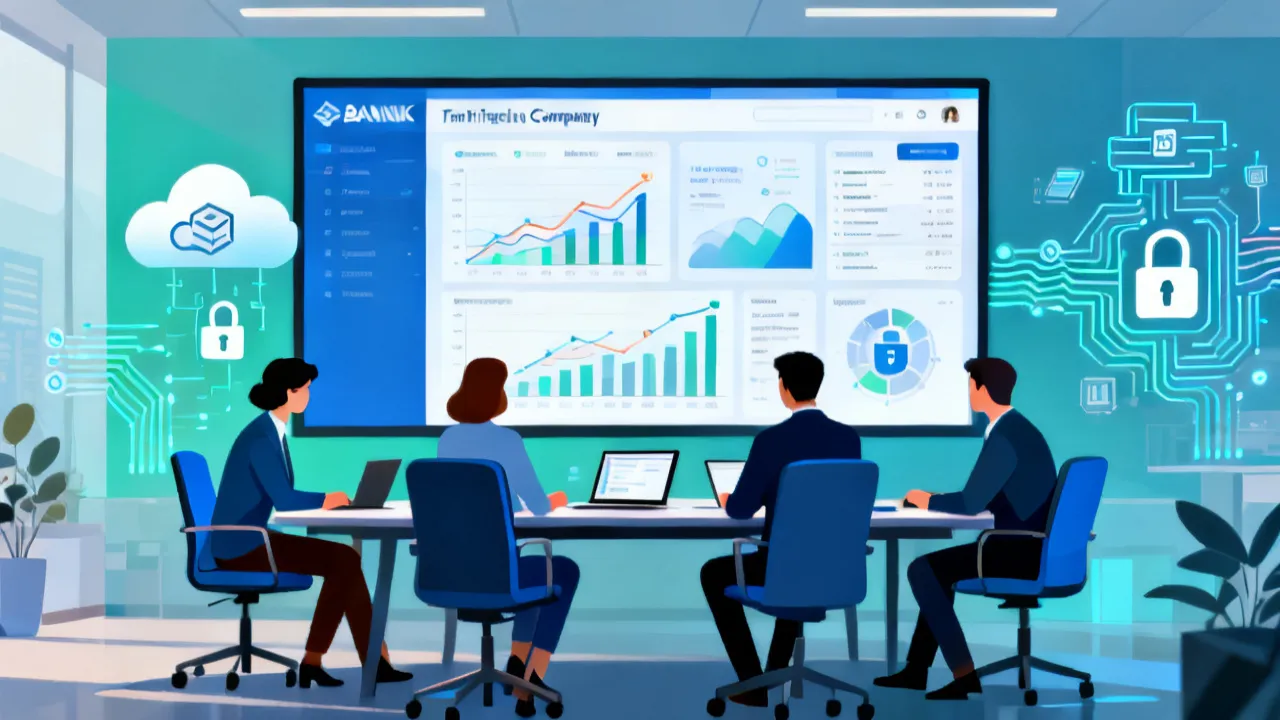
This guide explains how to use Finxact LinkedIn resources to research the company, its cloud-native core banking platform, leadership communications, career activity, partnerships, and industry positioning. Finxact is a banking technology company associated with modern, API-oriented core systems and is part of Salesforce. LinkedIn can provide useful public signals, but readers should verify material claims through official company sources, regulatory publications, and reputable industry research.
This guide explains how to use Finxact LinkedIn information to research the company, understand its banking technology positioning, assess career and partnership signals, and verify claims through authoritative sources. Finxact is associated with cloud-native core banking technology and operates within the broader Fiserv ecosystem. LinkedIn can provide useful public context, but company pages, employee posts, job listings, and engagement metrics should be interpreted alongside official corporate material, regulatory information, and independent industry research.

This guide explains how to evaluate Finxact on LinkedIn, interpret its company profile, understand its relationship with Fiserv, and use professional updates for research, recruitment, and banking-technology analysis. Finxact is associated with cloud-native core banking infrastructure and financial-services modernization. Because social profiles change, readers should verify current roles, announcements, and employment information through official company channels and authoritative corporate sources.
This guide explains how to evaluate Finxact’s LinkedIn presence as a source of information about cloud-native core banking, company developments, careers, and industry perspectives. Finxact is associated with modern banking infrastructure and is part of the broader FIS technology ecosystem. Because social media profiles, employee listings, and published announcements can change, readers should distinguish verified company information from commentary and assess each post in its proper business and regulatory context.
This guide explains how Finxact LinkedIn can help readers evaluate company updates, professional expertise, careers, partnerships, and cloud-core-banking developments. Finxact is a cloud-native core banking technology provider associated with Fiserv, serving financial institutions that need configurable platforms for deposits, accounts, payments, and product innovation. Because social profiles change, important claims should be checked against official corporate communications, regulatory filings, and direct company materials.

This guide explains how to use Finxact LinkedIn information as a starting point for researching the banking technology company, its platform, leadership, hiring activity, partnerships, and market positioning. Finxact is associated with cloud-native core banking technology and operates within the broader FIS ecosystem. Because social profiles change over time, readers should compare LinkedIn observations with official company announcements, regulatory materials, product documentation, and reputable industry research.
This guide explains how to use Finxact LinkedIn information to research the company, understand its banking technology focus, assess professional updates, and evaluate career or partnership relevance. Finxact is associated with modern core banking infrastructure and is part of the broader Fiserv ecosystem. Because LinkedIn pages, job postings, and organizational descriptions can change, readers should compare social content with official corporate materials, regulatory disclosures, and other reliable industry sources before making decisions.