As the world continues to shift toward more sustainable energy sources, solar energy has become one of the most accessible and popular alternatives to traditional power grids. With the cost of solar panels steadily decreasing and technological advancements making them more efficient, many homeowners and businesses are turning to solar power to meet their energy needs. One of the most significant factors driving this transition is the availability of state and federal incentives, as well as the long-term financial savings solar energy offers. This comprehensive guide will help you maximize the benefits of solar energy by leveraging state incentives, tax credits, and other financial savings programs. Whether you are considering installing solar panels for your home, business, or both, understanding these incentives can reduce the upfront costs and increase the overall savings of your solar investment. By the end of this guide, you’ll have the knowledge needed to make informed decisions that can lead to substantial long-term financial benefits, reduced carbon footprints, and a more sustainable future.

Before diving into the specifics of state incentives and financial savings, it’s important to understand why solar energy is such an attractive option for homeowners and businesses alike. Here are a few reasons why people are choosing to install solar panels:
Solar energy is a clean, renewable resource that doesn’t produce harmful emissions or contribute to climate change. By switching to solar, you reduce your carbon footprint and help mitigate the effects of global warming. Solar power is one of the most environmentally friendly energy sources available.
Relying on solar energy allows you to reduce or eliminate your dependency on the utility grid. This can be particularly beneficial in areas where electricity costs are high or where power outages are frequent. Solar energy provides an independent, reliable source of power.
One of the main reasons people turn to solar is the potential for long-term savings on energy bills. By generating your own electricity, you can significantly reduce your reliance on your utility provider. In some cases, you can even achieve net-zero electricity consumption, where your solar system produces enough energy to meet all of your needs, and any excess energy is sold back to the grid.
Homes and businesses with solar installations often see an increase in property value. This is because solar energy systems reduce future utility costs, making the property more appealing to potential buyers. Studies show that homes with solar panels typically sell for more than comparable homes without solar installations.
The main barrier to installing solar panels is often the upfront cost, which can be substantial. However, many state and federal programs are in place to help mitigate these costs. By taking advantage of state incentives, tax credits, and rebates, you can significantly reduce the initial financial burden of installing a solar system.
One of the most significant incentives available for solar energy systems in the United States is the federal Solar Investment Tax Credit (ITC). This credit allows homeowners and businesses to deduct a portion of their solar installation costs from their federal taxes. As of 2025, the ITC provides a tax credit equal to 30% of the total cost of installing a solar system. This credit applies to both residential and commercial solar installations and covers the cost of the solar panels, inverter, battery storage (if installed), and labor for installation.
The ITC is set to gradually decrease over the next few years. It will drop to 26% in 2025, 22% in 2025, and then end in 2025 unless Congress extends or modifies the program. This means that taking advantage of the full 30% credit before the rate decreases could save you thousands of dollars.
In addition to the federal ITC, many states offer their own incentives to promote the adoption of solar energy. These incentives can include tax credits, rebates, grants, and even low-interest loans to help with the upfront costs of installing solar panels. The types of incentives available vary significantly by state, so it’s important to research the specific programs in your area.
Some examples of state incentives include:
To find out about the incentives available in your state, check the Database of State Incentives for Renewables & Efficiency (DSIRE) website, which provides a comprehensive list of state, local, and utility-based solar incentives.
Net metering is another key financial benefit for solar energy users. Net metering allows you to sell excess electricity generated by your solar system back to the grid, often at the same rate that you pay for electricity. This means that when your system produces more energy than you need (such as during sunny days), you can “bank” the excess energy and use it later when your system isn’t producing as much, such as during the night.
Not all states have net metering programs, and those that do may have different rules and compensation structures. Some states offer full retail value for the energy you sell back, while others may offer a reduced rate. Net metering is a great way to maximize the financial benefits of your solar system and ensure that you get the most value out of your energy production.
If you’re concerned about the initial cost of installing solar panels, there are various financing options available that can help make the process more affordable. These include:
These financing options allow you to install solar panels with little or no upfront cost while still enjoying the financial savings from reduced electricity bills.
In addition to the federal tax incentives, some states offer additional tax credits and exemptions for solar energy systems. For example, California provides a state income tax credit for residential solar installations, while New York offers state tax exemptions for the purchase of solar systems. Be sure to check with your state’s tax authority or consult a tax professional to ensure you’re taking full advantage of these incentives.
Solar energy offers significant long-term financial and environmental benefits. By understanding and leveraging state incentives, tax credits, and financial savings opportunities, you can reduce the upfront costs of installing solar panels and maximize your savings over time. Whether you are looking to lower your electricity bills, increase your property value, or reduce your environmental impact, solar energy is an investment that can pay off in multiple ways. By taking the time to explore your options and utilize available incentives, you can make the transition to solar energy more affordable and financially rewarding.





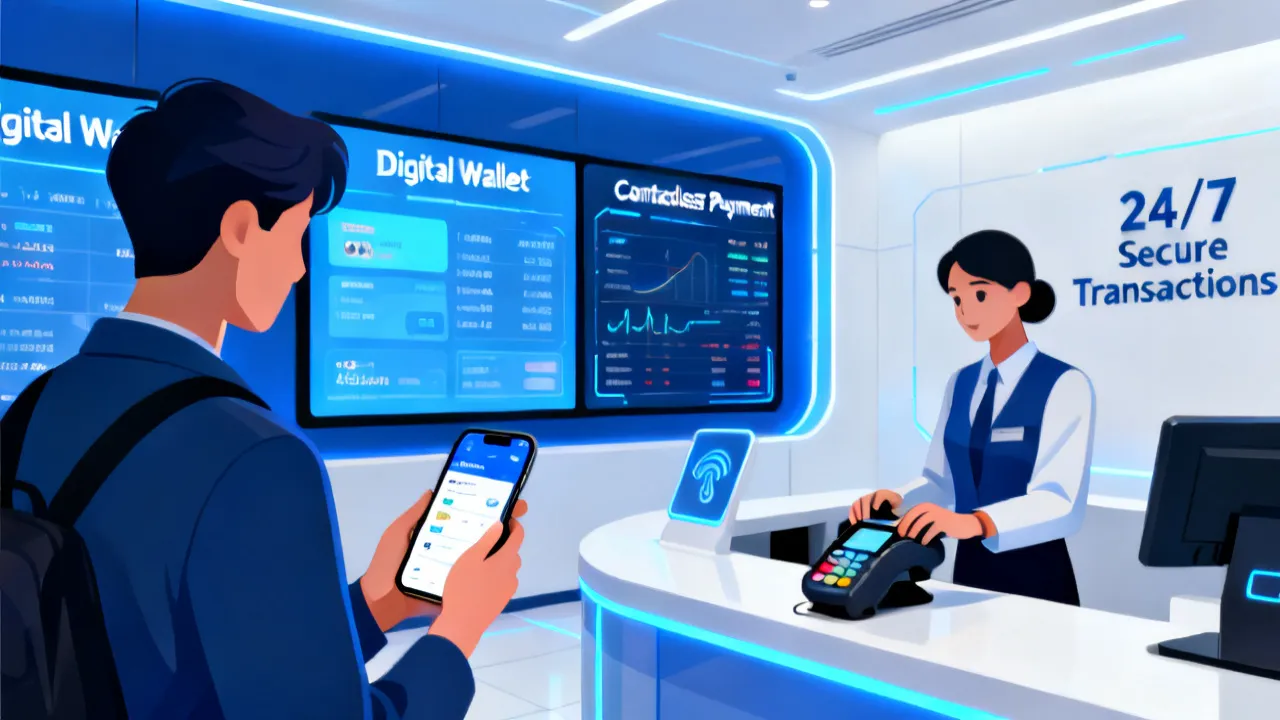
This guide explores the key aspects of payment processing solutions in the finance sector, focusing on online bank accounts that offer various bonuses. Payment processing solutions are integral to modern financial systems, handling transactions securely and efficiently. With evolving technology, these solutions have become pivotal for personal and business finances, offering convenience and security to users globally.
This guide delves into the lucrative offers available from major U.S. banks for opening personal checking accounts. Online bank accounts play a pivotal role in modern finance, offering convenience and ease of access. With the rise of digital banking, institutions like Bank of America, Chase, and others feature promotional bonuses to attract new customers, providing both financial incentives and enhanced banking services.

This guide explores the landscape of online bank account bonuses available today. Paylane.com, an established platform, offers insights into managing and optimizing financial services through online banking. Such platforms have revolutionized the accessibility and efficiency of banking, providing consumers with diverse opportunities and savings. These bonuses, offered by various banks, are easily accessible online, creating a competitive landscape.
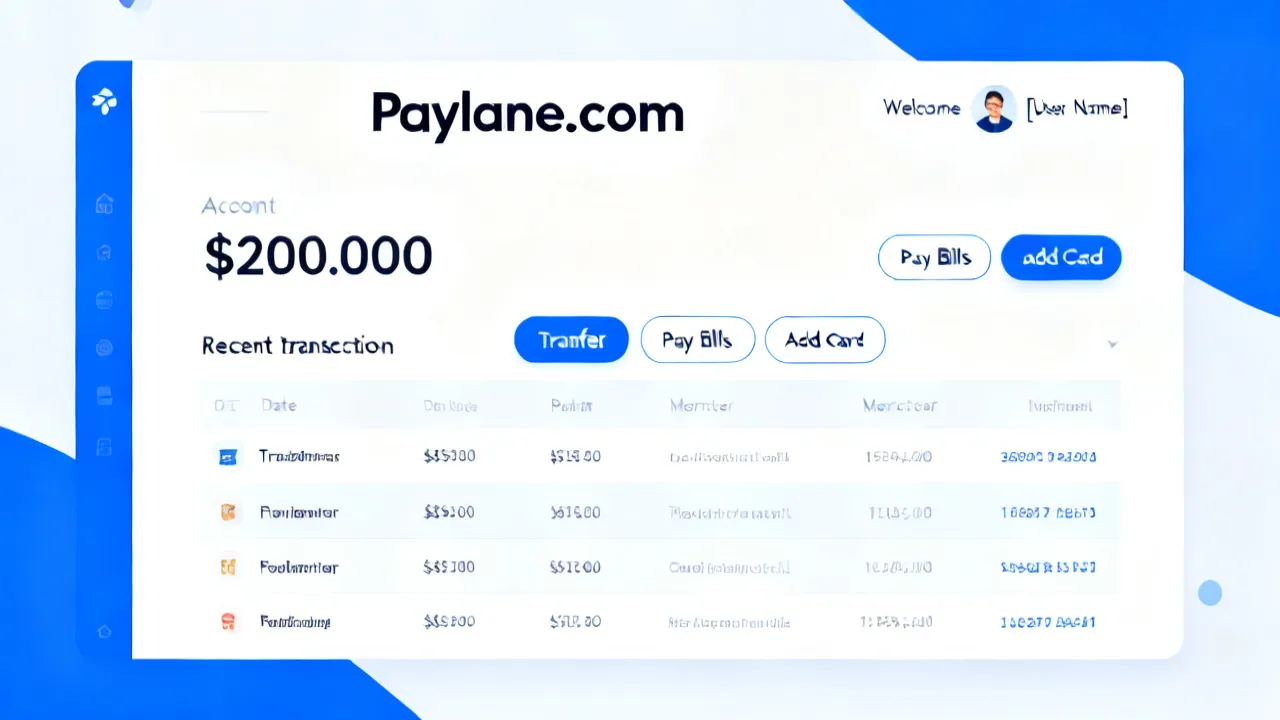
This guide delves into the landscape of online bank accounts, with a focus on Paylane.com as a versatile platform for managing your financial transactions in the digital age. Paylane.com provides seamless services tailored to modern banking needs. Through this platform and the offers from major banks, individuals can enjoy the convenience of digital banking, making financial management more accessible than ever before.
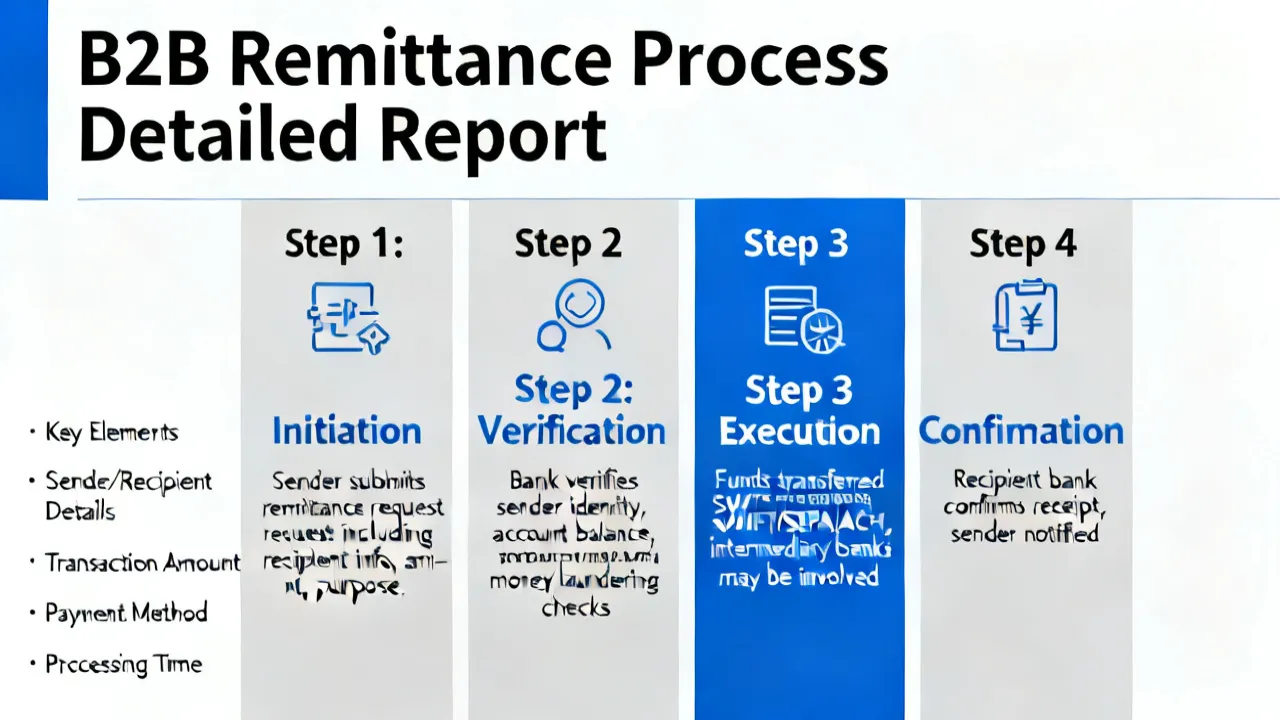
This guide delves into the complex world of B2B remittance, exploring its significance in facilitating international business transactions. B2B remittance refers to the transfer of funds between businesses across borders, crucial for maintaining smooth global trade operations. Understanding this process is vital for companies striving for efficient and transparent financial transactions.

This guide delves into the B2B remittance landscape, exploring its role in facilitating cross-border business transactions. B2B remittance is a key financial service enabling businesses to manage payments and transfers, especially in bank accounts online contexts. Discover how financial institutions and platforms are supporting this with enticing offers for new account holders in major US banks.
This guide delves into the features of Worldpay Payfac, a prominent player in fintech enabling seamless payment processing, and explores various banking bonus offers by major US banks for new accounts. With a focus on essential information, this article provides insights into banking bonuses while presenting in-depth knowledge of Worldpay Payfac's role in online finance.

This article sheds light on the role of Worldpay Payfac in modern financial technology and highlights leading banks offering lucrative checking account opportunities. Worldpay Payfac facilitates streamlined payment solutions, enhancing merchant services worldwide. Meanwhile, U.S. banks entice new customers with bonuses tied to specific deposit actions, incentivizing account growth and engagement.