Homeownership has long been considered a stable investment. The potential to build equity over time allows homeowners to leverage their property to achieve long-term financial goals. Equity, defined as the difference between the current market value of a home and the amount owed on the mortgage, can be an excellent source of wealth-building. However, maximizing home equity requires more than just purchasing a home and waiting for it to appreciate in value. It involves strategic decisions about how to manage the property, make improvements, and leverage financial tools to optimize the value of the home over time. In this guide, we will explore various investment strategies and financial models that can help homeowners maximize their home equity, from smart renovations to refinancing options, and even tapping into home equity loans or lines of credit for other investment opportunities. By understanding the mechanics of home equity and utilizing smart financial tools, homeowners can turn their property into a valuable asset that contributes significantly to their overall financial security.

Home equity is essentially the portion of your home that you truly own. If you bought a home for $400,000 and have $250,000 remaining on your mortgage, your home equity is $150,000. This is an asset that can be used for various financial opportunities, such as taking out home equity loans, securing lines of credit, or reinvesting in property improvements that can increase your equity.
Building equity is essential because it provides a financial cushion in case of emergencies, increases your overall net worth, and can be used as leverage for further investments. Over time, as the mortgage is paid down and the property potentially appreciates, your equity grows, opening up a variety of financial possibilities.
One of the simplest ways to build equity is by paying off your mortgage faster. While sticking to the standard payment schedule is fine, additional payments can significantly reduce the principal balance and increase equity quickly. By making bi-weekly payments, extra principal payments, or paying lump sums when possible, homeowners can build equity at a faster rate, saving on interest over time and reducing the overall loan term.
Investing in home renovations and improvements can significantly increase the value of your property, thereby increasing your home equity. However, it is essential to consider renovations that yield the highest return on investment (ROI). Kitchen and bathroom remodels, adding square footage, and improving curb appeal (through landscaping or exterior updates) are common improvements that tend to pay off in terms of equity growth.
Before investing in renovations, it’s important to evaluate the potential return. Certain home improvements may not provide enough of a return to justify the upfront cost. Consulting with real estate agents or home appraisers can help determine which upgrades make sense for your local market.
While you can't control market forces, you can benefit from the general appreciation of real estate. Home values increase due to various factors, such as improved neighborhood amenities, economic growth, and increased demand for homes in your area. While property appreciation is generally a long-term play, understanding the market trends and buying in high-demand or developing areas can lead to substantial gains in equity over time.
Proper maintenance and care of your property prevent depreciation. Routine maintenance—like keeping the roof intact, servicing the HVAC system, and addressing plumbing issues promptly—can keep your home in top shape, ensuring that it maintains its value. Furthermore, ensuring that your home’s exterior and interior are aesthetically pleasing can help preserve and enhance its market value.
Another way to maximize home equity is to use it as collateral for further investment. Home equity can be used to fund additional real estate investments, whether by leveraging a home equity loan or a line of credit (HELOC). By investing in rental properties, real estate flips, or even expanding your primary residence, you are building equity not just in your home but in other properties as well.
Refinancing your mortgage to take advantage of lower interest rates is an effective way to maximize equity over time. By reducing the interest rate, you lower the total amount paid over the life of the loan, which means you can allocate more funds toward reducing the principal balance. Refinancing could be an excellent strategy for homeowners looking to increase equity while also lowering their monthly payment.
Additionally, refinancing into a shorter-term mortgage (such as a 15-year loan) can allow you to pay off your home faster and build equity at a quicker pace. The trade-off is a higher monthly payment, but the interest savings can be substantial.
Once you've built a significant amount of equity in your home, you may choose to access it through a home equity loan or a home equity line of credit (HELOC). Both options allow homeowners to tap into their equity, but they differ in structure and usage.
Both options can be used strategically to fund other investments that further increase your equity, such as purchasing rental properties or funding stock market investments.
Homeownership can be just the beginning of a broader real estate investment strategy. Many homeowners use the equity in their primary residence to invest in additional properties. The most common approaches include:
While maximizing home equity offers numerous benefits, it is crucial to approach it with caution. Over-leveraging your home by taking out excessive loans or lines of credit could put your property at risk if the market shifts or personal circumstances change. Additionally, investing heavily in home renovations that do not yield a positive ROI can diminish your equity rather than increase it.
Before making any financial decision related to home equity, it is important to consult with a financial advisor to understand your goals, risks, and the long-term implications of each strategy.
Maximizing home equity is a multi-faceted process that involves strategic planning, smart investments, and ongoing maintenance. By paying off your mortgage faster, improving your property’s value through renovations, and leveraging the equity for further investments, you can significantly increase your net worth over time. Additionally, by using financial models such as refinancing or tapping into home equity loans and lines of credit, you can make your home a powerful tool for building wealth. Always approach these strategies with careful consideration and seek professional advice to ensure you're making the best decisions for your financial future.






This guide explores the key aspects of payment processing solutions in the finance sector, focusing on online bank accounts that offer various bonuses. Payment processing solutions are integral to modern financial systems, handling transactions securely and efficiently. With evolving technology, these solutions have become pivotal for personal and business finances, offering convenience and security to users globally.

This guide delves into the lucrative offers available from major U.S. banks for opening personal checking accounts. Online bank accounts play a pivotal role in modern finance, offering convenience and ease of access. With the rise of digital banking, institutions like Bank of America, Chase, and others feature promotional bonuses to attract new customers, providing both financial incentives and enhanced banking services.

This guide explores the landscape of online bank account bonuses available today. Paylane.com, an established platform, offers insights into managing and optimizing financial services through online banking. Such platforms have revolutionized the accessibility and efficiency of banking, providing consumers with diverse opportunities and savings. These bonuses, offered by various banks, are easily accessible online, creating a competitive landscape.

This guide delves into the landscape of online bank accounts, with a focus on Paylane.com as a versatile platform for managing your financial transactions in the digital age. Paylane.com provides seamless services tailored to modern banking needs. Through this platform and the offers from major banks, individuals can enjoy the convenience of digital banking, making financial management more accessible than ever before.
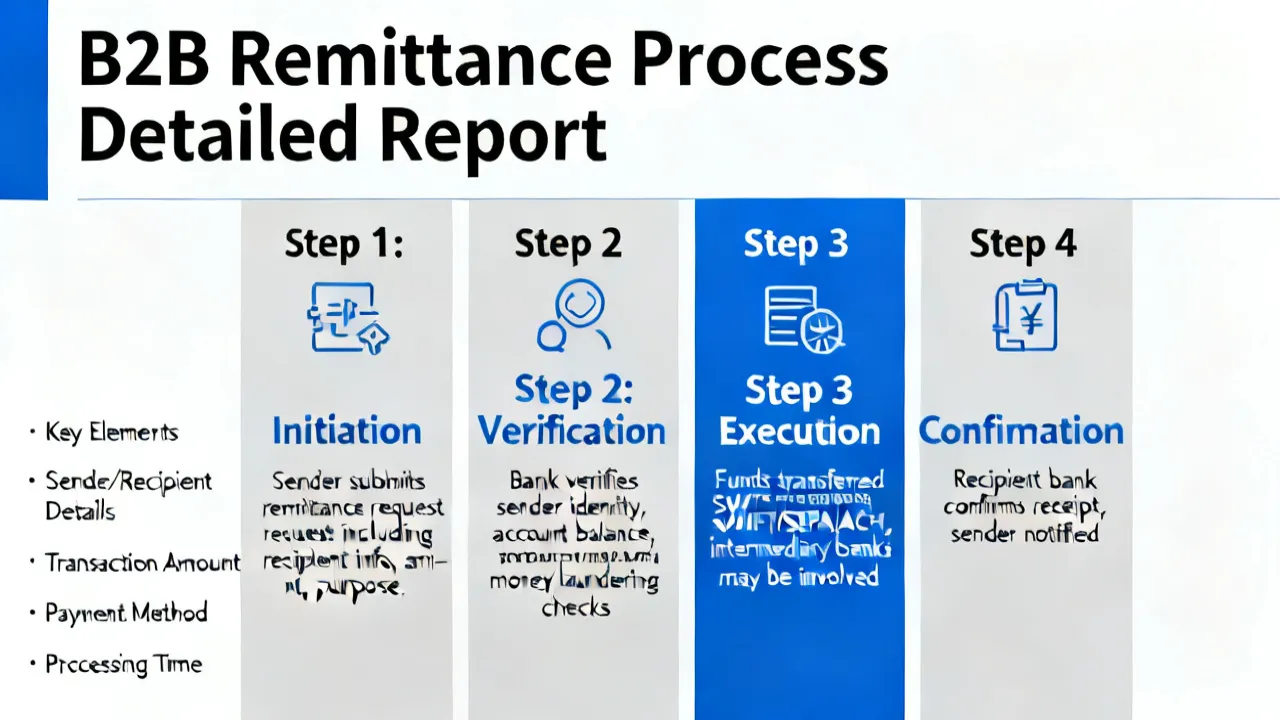
This guide delves into the complex world of B2B remittance, exploring its significance in facilitating international business transactions. B2B remittance refers to the transfer of funds between businesses across borders, crucial for maintaining smooth global trade operations. Understanding this process is vital for companies striving for efficient and transparent financial transactions.

This guide delves into the B2B remittance landscape, exploring its role in facilitating cross-border business transactions. B2B remittance is a key financial service enabling businesses to manage payments and transfers, especially in bank accounts online contexts. Discover how financial institutions and platforms are supporting this with enticing offers for new account holders in major US banks.
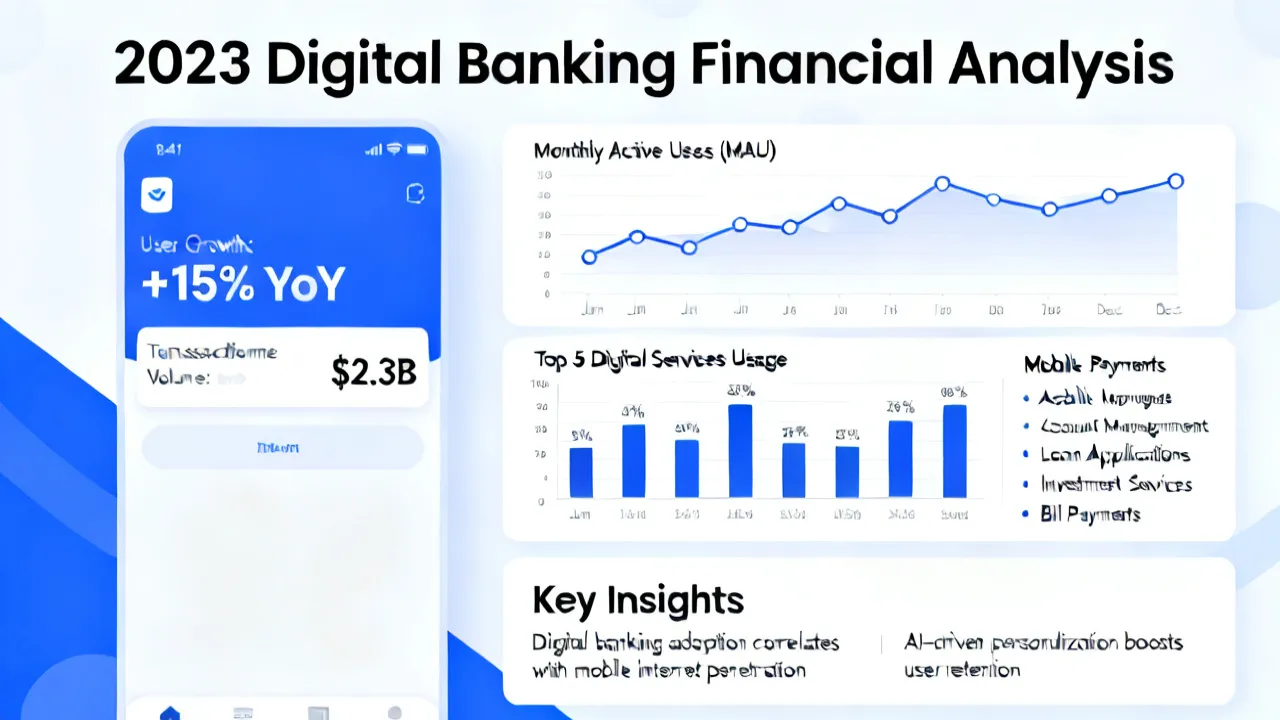
This guide delves into the features of Worldpay Payfac, a prominent player in fintech enabling seamless payment processing, and explores various banking bonus offers by major US banks for new accounts. With a focus on essential information, this article provides insights into banking bonuses while presenting in-depth knowledge of Worldpay Payfac's role in online finance.

This article sheds light on the role of Worldpay Payfac in modern financial technology and highlights leading banks offering lucrative checking account opportunities. Worldpay Payfac facilitates streamlined payment solutions, enhancing merchant services worldwide. Meanwhile, U.S. banks entice new customers with bonuses tied to specific deposit actions, incentivizing account growth and engagement.