This article delves into the significance of "Obasan 2012," highlighting its journey and impact within its context. The term "Obasan" resonates deeply within cultural and societal studies due to its association with identity and heritage. This exploration provides a thorough examination of how "Obasan 2012" relates to these broader themes and its implications for future discourse.
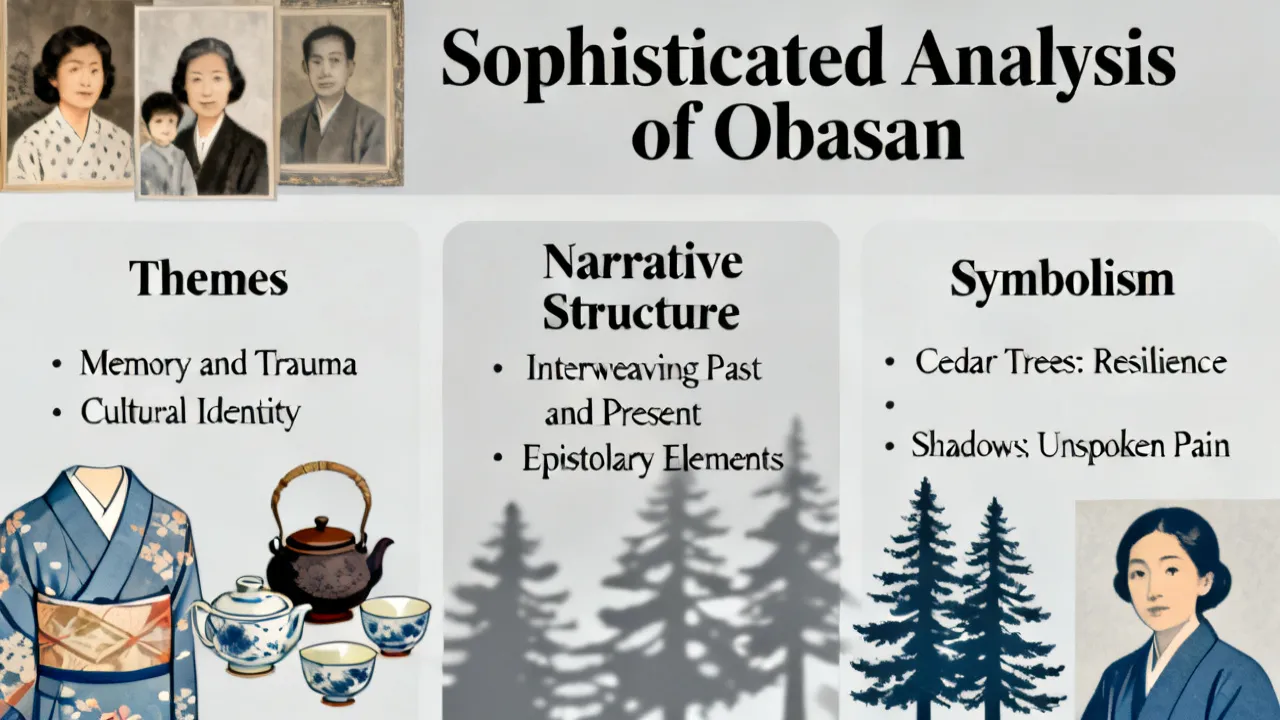
In the realm of literature and cultural studies, "Obasan 2012" signifies more than its surface appearance. Rooted in characteristics that explore identity, memory, and the universal human journey, Obasan stands as a crucial term in contemporary discourse. The year 2012 marks a specific context in which this narrative or thematic exploration took a pivotal turn, capturing the attention of scholars and enthusiasts alike. The literary canon has seen various works that delve into the vast experiences associated with the term "Obasan," often tying in notions of family, belonging, and the influence of cultural narratives across generations.
When discussing "Obasan 2012," one must delve into both the historical and modern implications of the term "Obasan," often referencing its literary origins and subsequent influence. The term itself has continually sparked dialogues around themes of ethnicity, belonging, and the navigation of complex histories. In 2012, these discussions gained a new layer of complexity, prompting renewed interest and examination among academic circles. This year was marked by various symposiums and publications that focused on minority literatures, recognizing the essential contributions of works like Kogawa's "Obasan" to the broader understanding of Canadian history and identity.
The continued relevance of "Obasan" within academic discussions illustrates how literature is not just a reflection of individual stories but is also deeply intertwined with collective memory and historical context. Scholars began to revisit Kogawa's work not just as a novel but as a crucial text in dissecting the myths and realities of the Japanese Canadian experience during World War II. This examination became part of a larger academic conversation about the impact of war, displacement, and the complexities of cultural identity in post-colonial societies.
The significance of the evolution in 2012 can be largely attributed to a broader societal shift towards recognizing and valuing diverse narratives. During this time, literature and cultural studies began to pay more attention to stories and voices that had long been marginalized within mainstream academic discussions. The urgency of these conversations echoed in universities and cultural hubs, igniting debates on the representation and acknowledgment of multifaceted histories and identities. The symposiums held in 2012 featured a mix of emerging scholars and established voices, creating a dynamic space for debate and discussion.
Furthermore, the rise of digital humanities contributed to this evolution, allowing for broader access to texts, including "Obasan," that were previously limited to traditional scholarly channels. Online platforms and digital archives promoted accessibility, enabling more voices to engage with Kogawa's work. This digital engagement led to innovative interpretations of "Obasan," showcasing how literature can transform as new societal contexts emerge. The participation of varied demographics in these discussions not only added layers to the understanding of the text but also emphasized the need for an inclusive approach in literary studies.
The themes of "Obasan 2012" revolve around intricate portrayals of family, cultural dislocation, and the profound impact of historical events on personal identities. The year 2012 served as a significant point in which these themes were revisited, analyzed, and given renewed attention in various academic forums. This resurgence in interest reflects the fluidity of cultural discourse and its capability to adapt and remain relevant in changing social climates.
Family dynamics, often underpinned by trauma and the enduring effects of historical injustices, play a significant role in "Obasan." Critics have highlighted how Kogawa's portrayal of family relationships functions as a microcosm of broader societal issues, such as the experiences of Japanese Canadians during their internment. The narrative structure of "Obasan," which interweaves memories and the present, echoes the fragmentation many individuals experience as they navigate their cultural identities. This complexity is particularly evident in the protagonist's relationship with her aunt, the titular Obasan, reflecting a generational disconnection that communicates broader cultural narratives.
Cultural dislocation, another defining theme, emphasizes the feeling of estrangement that arises from historical and contemporary displacements. The lived experiences of the characters serve as vital narratives that echo the realities faced by marginalized communities, making Kogawa’s work a critical text for understanding not just the Japanese Canadian experience but also the universal concepts of belonging and identity within diasporic contexts. In 2012, literary critics began to explore how the implications of dislocation extend beyond the individual to consider communal identities and memories.
Historical impact remains a relevant theme in "Obasan," particularly as new generations who did not experience the internment firsthand grapple with its legacy. Scholars have increasingly noted how the history taught in schools often skims over the complexities of such events, thus neglecting the personal narratives that accompany them. The challenge, as outlined in discussions from 2012 onwards, is how to incorporate these narratives into a broader historical context that acknowledges the voices of individuals who lived through significant trauma.
In looking forward, "Obasan 2012" holds potential for sparking further dialogue concerning representation and inclusivity in both literature and broader cultural studies. As our global society continues to evolve and embrace diversity, the lessons and themes from this focused discourse provide critical insights that are as important today as they were in 2012. These discussions push for an ongoing examination of how histories shape identities and the importance of acknowledging diverse perspectives. The dialogues fostered during this renewed exploration of Kogawa’s work compel future scholars to engage with historical works in a manner that respects their social and cultural significance.
Moreover, the ongoing relevancy of themes found within "Obasan," including cultural displacement and familial ties, speaks to contemporary struggles faced by various communities today. The increase in migration, refugee crises, and the global recognition of historical injustices creates a fertile ground for further exploration of how literature can articulate the complexities of identity formation amidst such turbulence. For educators and scholars, Kogawa’s work provides a rich framework to inspire future generations to think critically about history and its implications on various identities.
Ultimately, the enduring impact of "Obasan 2012" emphasizes the power of stories and cultural reflections in molding our understanding of human experiences and the intricate tapestries of communities worldwide. As we continue to unpack the narratives that shape our identities and histories, "Obasan" serves as a poignant reminder of the necessity of historical empathy and the transformative potential of literature in addressing the challenges of an evolving society. As current and future discussions continue to unfold, Kogawa’s work will undoubtedly remain a touchstone for those engaging with the intersections of memory, identity, and cultural history within both academic and personal contexts.
In light of the reflections and analyses surrounding "Obasan 2012," it is crucial for scholars, students, and readers to maintain an active engagement with the text and its underlying themes. This commitment can be seen as both a scholarly pursuit and a civic responsibility, enhancing public discourse on race, identity, and historical recognition. Educational institutions can play a vital role by incorporating discussions of "Obasan" into curricula, showing how literature can address themes of personal and collective histories while fostering inclusiveness.
Furthermore, translating Kogawa’s work into different languages and contexts can expand its reach and relevance, allowing new audiences to connect with her powerful narratives. This approach encourages a global dialogue about shared histories and the importance of recognizing the narratives of those who have been historically marginalized.
As we celebrate and analyze literature like "Obasan," we must also consider the future of cultural studies and literary scholarship. The lessons from 2012 provide invaluable insights into how we can foster inclusivity and understanding in our examination of texts from diverse backgrounds. By continuing to engage with "Obasan," we ensure that its themes remain relevant, allowing future scholars and readers to draw valuable lessons from its pages, ensuring that the history it represents is neither forgotten nor ignored.
To conclude, "Obasan 2012" not only highlights a significant moment in literary discourse but also emphasizes the transformative nature of literature in shaping cultural discussions around identity and memory. Joy Kogawa’s work transcends its particular historical context, resonating with today's society that grapples with issues of belonging and recognition. As we look to the future, it is vital that we continue to engage with such texts, ensuring that they inspire generations to reflect on their histories, embrace their identities, and advocate for a more inclusive understanding of our collective pasts.
Through ongoing discussions, re-examinations, and a commitment to diverse narratives, "Obasan 2012" stands as a testament to the enduring power of storytelling, illuminating the path towards greater understanding and empathy in a world that continues to evolve. In our ever-changing landscape, the need for stories that reflect our diverse experiences remains paramount, reminding us of our shared humanity and the intricate web of histories that unite us.






This guide explains how Runpayroll.adp.com supports payroll processing workflows for organizations that need accuracy, compliance, and timely reporting. Background context covers what payroll portals typically do, why centralized authentication matters, and how vendors like ADP fit into modern HR operations—without assuming any specific pricing or region.

This guide explains how Runpayroll.adp.com supports day-to-day payroll administration with a focus on accuracy, access control, and operational efficiency. Background context is provided on how payroll platforms typically work, what organizations evaluate when selecting payroll services, and how secure sign-in and workflow design reduce common processing errors in payroll operations.

This guide explains how to interpret Justworks Reddit discussions to make practical decisions about HR and payroll workflows. It also provides objective background on what “Justworks Reddit” typically covers—employee onboarding, compliance expectations, pricing structure discussions, and real-world support experiences—so readers can compare perspectives thoughtfully before choosing HR technology.

The Kti Survey plays a pivotal role in assessing various economic elements. It serves as a critical tool for stakeholders aiming to make informed decisions based on industry trends and consumer insights. This survey gathers data from multiple sectors to depict an accurate economic snapshot, aiding policymakers and business leaders in strategy formulation.

This article delves into the significance and impact of the KTI Survey, a critical tool utilized in assessing industry trends and business climate. Originating from established economic practices, the KTI Survey provides companies with insightful data to strategize effectively by analyzing various market segments. Its findings offer an empirical basis for decision-making, encouraging informed business actions.

Kti Surveys provide valuable insights into industry-specific trends and sentiments, serving as a crucial tool for businesses and stakeholders. This guide delves into the intricacies of Kti Surveys, exploring their methodology, application, and significance in shaping strategic decisions in various sectors. With an expert’s perspective, it unpacks how these surveys can influence market strategies and stakeholder decision-making processes.

Obasan by Joy Kogawa is a poignant novel exploring the harrowing experiences of Japanese Canadians during and post-World War II through the lenses of personal and collective trauma. This article examines the 2012 edition to reflect on its relevance and continued significance in contemporary discourse about identity, history, and resilience. Obasan is widely regarded as a crucial piece of Canadian literature, presenting a haunting yet vital narrative that educates and impacts generations.

This article delves into the intricacies of Nism Quora, a platform connecting users to a wealth of knowledge and insights. As an amalgamation of the NISM's financial expertise and Quora's community-driven framework, Nism Quora provides a unique digital environment for users to explore financial topics, seek expert opinions, and engage in thought-provoking discussions. Its role in modern financial education is expanding, offering a dynamic resource for both novice investors and seasoned professionals.