This guide delves into the evolution of the Transformational CFO, examining how the position has shifted from traditional financial management to a more strategic role in shaping business outcomes. It highlights the changes in responsibilities and skills needed for today's CFOs, reflecting a more integrative function in steering organizational growth and innovation.

In today's fast-paced business environment, the role of the Chief Financial Officer (CFO) is evolving rapidly. Traditionally centered around financial stewardship and risk management, the Transformational CFO now plays a significant strategic role in guiding business growth and innovation. This evolution represents not just a change in job description, but a fundamental shift in how companies integrate finance with overall corporate strategy.
The Transformational CFO is marked by an ability to adapt to the changing business landscape, leveraging data analytics, technological advancements, and a deep understanding of market dynamics. Unlike their predecessors, these CFOs are not only number-crunchers but also strategic partners to CEOs, helping shape the trajectory of the enterprise with informed insights and dynamic strategies. They engage in what has been termed "strategic financial leadership," which involves not just understanding past performance data, but also predicting future market trends and planning accordingly.
As businesses become more complex, so too have the responsibilities of the CFO. Today's CFOs must possess a broader skill set, including expertise in technology, impeccable communication abilities, and a keen sense for global market trends. They are often at the forefront of digital transformation initiatives, aligning financial strategies with technological innovations to drive sustainable growth. The need for a CFO extends beyond just the confines of finance; they are now seen as integral components of corporate strategy, capable of influencing diverse elements of the business.
| Skill Area | Description |
|---|---|
| Strategic Thinking | Ability to align financial planning with good business goals. |
| Technological Proficiency | Understanding and leveraging financial technologies and data analytics. |
| Leadership | Guiding teams with a clear vision and effective communication. |
| Adaptability | Responding swiftly and effectively to industry changes and challenges. |
Digital transformation is no longer optional but a necessity. Transformational CFOs are at the helm of this change, spearheading digital initiatives and ensuring the integration of technology into every facet of financial operations. This involves adopting AI and machine learning for predictive analytics, automating routine tasks with RPA (Robotic Process Automation), and utilizing big data to inform strategic decisions. Moreover, they must develop frameworks for clear communication about digital adjustments and oversee change management processes that ensure all employees are aligned with the new digital goals.
As the financial landscape shifts towards automation, the CFO must also take on new responsibilities regarding cybersecurity and data integrity. They need to not only protect financial data but also promote a culture that emphasizes ethical data usage across the company. The rise of GDPR and other data protection regulations has highlighted the importance of compliance, making it crucial for the CFO to have a comprehensive understanding of legal frameworks that affect financial reporting and data management.
Transformational CFOs are intrinsic to the strategic planning process, providing insights that extend far beyond traditional financial metrics. They influence key business decisions, from mergers and acquisitions to setting sales targets and optimizing operations. Their involvement ensures that financial perspectives are integrated with business strategies, promoting holistic growth. Their presence in executive meetings helps to maintain a balance between risk management and strategic risk-taking, positioning the company for both stability and growth.
What is a Transformational CFO?
A Transformational CFO leads beyond traditional finance roles, contributing strategically to organization-wide transformations by integrating financial planning with broader business objectives. They ensure that the finance function supports overall strategic goals rather than merely managing financial performance.
Why is the role of CFO changing?
The evolution is driven by rapid technological advancements, increased data availability, and the growing complexity of global markets, which demand a more strategic approach to financial management. Today's business environment requires that CFOs adopt a more proactive approach to change management and partner closely with other executives.
How can a CFO drive innovation?
By championing digital transformation initiatives, leveraging data analytics, and aligning financial strategies with technological advancements, CFOs can foster a culture of innovation within their organizations. They can facilitate collaborations across departments to encourage innovative thinking and identify new revenue streams.
What skills are crucial for a Transformational CFO?
Key skills include strategic thinking, technological proficiency, leadership, adaptability, and strong communication abilities. Additionally, a successful Transformational CFO must possess an understanding of regulatory environments and risk management.
In summary, the role of the Transformational CFO has become essential in the evolving business landscape, representing a shift from traditional practices to being integral strategic partners in driving growth and innovation. This transformation necessitates a diverse skill set and a proactive approach to technology, positioning the CFO as a crucial leader in navigating modern corporate challenges.
As we move deeper into the 21st century, several trends are set to shape the future of the CFO role significantly. Among them, the increasing importance of sustainability and environmental, social, and governance (ESG) factors are notable. Stakeholders are now demanding greater accountability regarding a company's social and environmental impact. Transformational CFOs are expected to integrate ESG considerations into financial strategies and reporting frameworks, ensuring that their organizations do not just pursue profit but do so in a responsible manner.
Moreover, the acceleration of globalization cannot be overlooked. As companies expand their footprints across borders, CFOs face new challenges concerning currency fluctuation, international compliance, and complex tax regulations. Hence, a thorough understanding of the global landscape is becoming increasingly relevant for successful CFOs. They must develop strategies that capitalize on new market opportunities while managing associated financial risks.
Artificial Intelligence (AI) and automation technologies will undoubtedly continue to play a pivotal role in modifying the CFO landscape. Many routine finance tasks, such as data entry and reconciliations, are becoming automated, allowing CFOs and their teams to focus on more value-added activities, such as strategic planning and analysis. In transitioning these operational responsibilities, CFOs must foster a culture that embraces technology and is willing to rethink traditional processes for the better.
AI will facilitate more robust forecasting techniques by analyzing vast amounts of data, generating insights, and providing projections with significant accuracy. As a result, CFOs can make more informed strategic decisions, manage cash flows effectively, and potentially avert financial crises before they materialize. The continual feedback loops provided by AI analytics empower CFOs to respond dynamically to emerging trends and market shifts.
The Transformational CFO's influence also extends to creating a positive organizational culture. Given their leadership position, they must cultivate an environment that promotes transparency, trust, and collaboration. This is particularly important in fostering a productive team dynamic, where finance professionals feel empowered to suggest insights and strategies inspired by their expertise.
Moreover, as CFOs take on greater responsibilities, they must realize the importance of diversity and inclusion within their teams. Having diverse perspectives can enhance problem-solving capabilities and lead to more innovative strategies. Transformational CFOs can leverage this diversity to strengthen their decision-making processes and reflect a broader societal perspective within their organizations.
CFOs are well-positioned to mentor and develop the next generation of financial leaders within their organizations. By encouraging young finance professionals to embrace a strategic mindset, the CFO can cultivate talent that is agile and equipped to handle future challenges. Potential mentorship programs that focus on cross-functional collaboration, analytical thinking, and effective communication can empower a new wave of leaders ready to continue the transformation.
Moreover, sharing insights gained from navigating complex challenges can be invaluable for junior professionals. They can learn first-hand the importance of balancing risk with opportunity and understanding how finance impacts overall business strategy. Mentorship thus becomes a vehicle through which the values and objectives of the organization can be reinforced and passed on, ensuring a coherent vision for the future.
In conclusion, the role of the Transformational CFO is one that marries analytical prowess with strategic foresight. These finance leaders are not just responsible for ensuring fiscal discipline but are integral to shaping corporate strategy that can win in today's unpredictable environment. Their capacity to adapt to technological changes, their awareness of ESG commitments, and their focus on building productive teams will enable them to navigate the complexities of modern business successfully. As the challenges continue to evolve, so too will the demands placed on CFOs to lead their organizations with vision, purpose, and a commitment to innovation.






Payment Processing Solutions are integral to modern commerce, facilitating seamless transactions between buyers and sellers. Deploying efficient systems allows businesses to handle payments securely and quickly across various platforms, providing a crucial backbone for ecommerce and traditional retail settings. This article delves into the nuances of payment processing, offering a thorough understanding for businesses looking to enhance their transaction capabilities.

Payment processing solutions are essential systems enabling businesses to handle transactions electronically, facilitating seamless financial activity. With the growing shift towards online and contactless payments, understanding these solutions is vital for businesses to stay competitive and ensure customer satisfaction. This guide explores the intricacies of payment processing, dissecting its components and how businesses can leverage these systems to enhance efficiency and security.

This guide delves into the realm of Payment Processing Solutions, essential for businesses enduring the challenges of efficiently handling financial transactions. These solutions integrate secure, fast, and customer-friendly payment technologies that are crucial for modern commerce, whether in-store or online. By implementing tailored strategies, businesses can optimize operations, reduce costs, and enhance customer satisfaction through seamless payment experiences.

Payment processing solutions are integral to modern commerce, facilitating secure and efficient transactions for businesses worldwide. These systems handle the authorization, transaction, and fund transfer processes, ensuring a seamless experience for both merchants and consumers. From credit cards to digital wallets, they are the backbone of financial transactions, evolving rapidly with technology advances.

This article delves into the vital role of payment processing solutions in today’s business landscape, highlighting their importance in facilitating transactions between companies and customers. With advancements in technology, such solutions have evolved to ensure increased security, speed, and efficiency for businesses across various sectors.
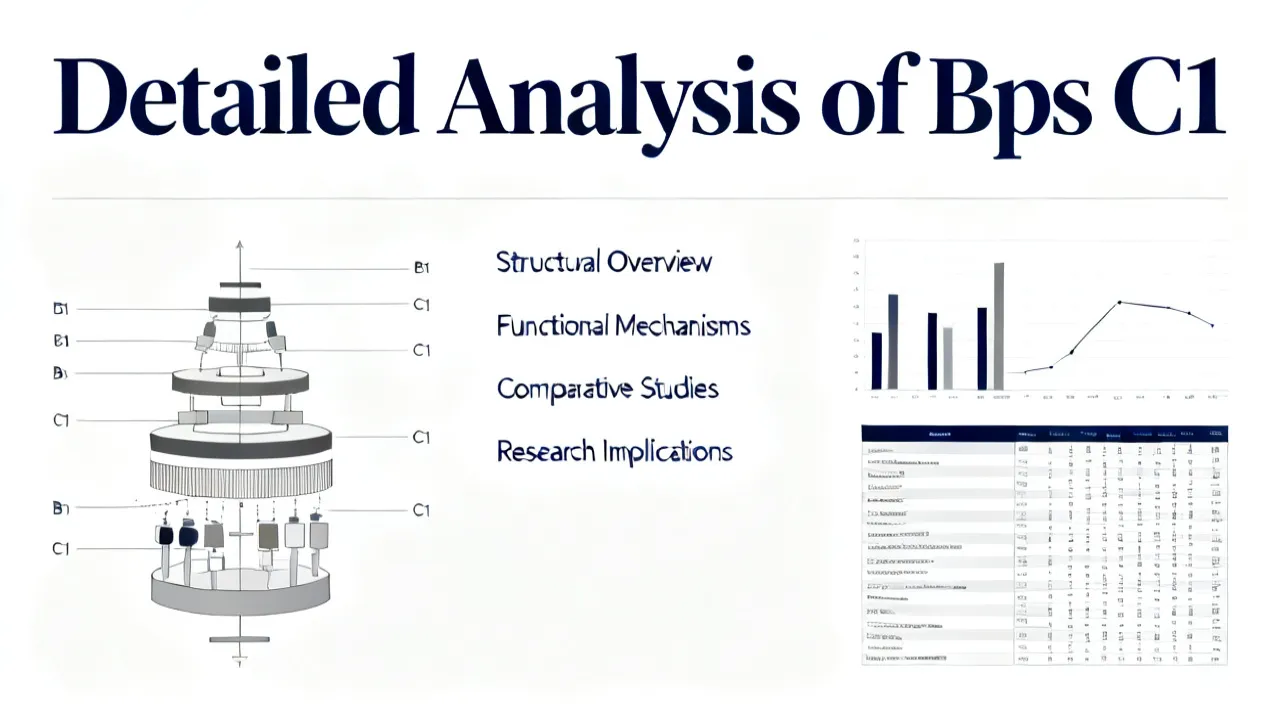
This article delves into the multifaceted applications of Bps C1, exploring its significance in various industries. Bps C1 refers to a class of products or technologies utilized in several sectors, and its prominent role in streamlining processes and enhancing operational efficiency is crucial for organizations aiming for competitive advantage.

This article delves deep into the pivotal role of Bps C1 in modern data systems, providing insights into how Bps C1 functions as a unit of measurement critical for assessing data transfer rates. Bps C1 stands as a measure of bits per second within communication networks, ensuring precise data flow evaluation. In a landscape where data transfer is foundational, the comprehension of Bps C1 is indispensable for industry professionals.

This article delves into payment processing solutions—integral components of contemporary commerce. These solutions facilitate the electronic exchange of funds, streamlining transactions between buyers and sellers. With a multitude of options available, including credit card processing, digital wallets, and mobile payments, the industry has evolved into a complex landscape, necessitating careful selection based on business needs and technological trends.