The CFO's role has evolved dramatically, with the transformational CFO at the forefront of corporate innovation and strategy. Modern CFOs are no longer just financial gatekeepers; they are strategic partners who drive organizational change and performance. By integrating advanced financial analytics with business acumen, these leaders are shaping the future of enterprises.

In the realm of corporate finance, the role of the Chief Financial Officer (CFO) has undergone a significant transformation. Traditionally viewed as the financial gatekeeper, today’s CFO is increasingly seen as a strategic partner who drives change and innovation within organizations. This evolution has given rise to the term "transformational CFO," a role that combines financial expertise with strategic insight to propel businesses forward.
The transformational CFO is distinguished by a set of core responsibilities that extend beyond traditional financial management:
A transformational CFO embodies certain attributes that differentiate them from their traditional counterparts:
The influence of a transformational CFO can be profoundly positive, leading to improved operational efficiency, enhanced competitive advantage, and overall organizational growth. By aligning financial strategies with business objectives, they ensure that all departments work towards a common goal. Through regular engagement with various teams, they can understand departmental challenges and advocate for resources that enable innovation.
Moreover, transformational CFOs often cultivate a performance-driven culture within their organization. They set measurable targets, encourage accountability, and ultimately strive to create an environment in which every employee feels empowered to contribute towards the company's objectives. This holistic approach fosters a sense of ownership among team members and can lead to remarkable improvements in overall productivity.
Transformational CFOs are leveraging financial technologies like AI, blockchain, and predictive analytics to enhance decision-making and streamline financial operations. This shift towards digitalization allows for real-time data analysis, improved accuracy, and reduced operational costs. Expanding on these technologies further illustrates their significance:
| Technology | Impact |
|---|---|
| AI & Machine Learning | Enable predictive analytics and automate routine tasks, affording up time for strategic initiatives. For example, machine learning algorithms can analyze past financial data to predict future revenue trends, providing invaluable forecasting insights. |
| Blockchain | Provides increased security and transparency in financial transactions, fostering trust with stakeholders. The use of blockchain in financial reporting can streamline compliance and audit processes as transactions become immutable and easier to trace. |
| Cloud Computing | Facilitates collaboration across departments and improves data accessibility and storage. Cloud-based financial solutions promise enhanced security features, along with lower IT costs. Utilizing cloud software allows teams to work collaboratively in real-time, regardless of their physical locations, driving greater efficiencies. |
Another critical aspect of the transformational CFO's role is establishing strategic partnerships both internally and externally. Internally, this means building strong working relationships with department heads such as the Chief Marketing Officer (CMO) and Chief Technology Officer (CTO) to ensure that financial considerations align with marketing and technological initiatives.
Externally, this role may involve engaging with investors, market analysts, and other stakeholders to communicate financial performance and strategic direction. By fostering a strong network of partnerships, transformational CFOs can harness external expertise and resources that further enhance their organization’s ability to innovate and grow.
The landscape of risk management continues to evolve, and transformational CFOs play a pivotal role in ensuring that their organizations navigate these changes effectively. In an era where cybersecurity threats and compliance regulations are increasingly complex, CFOs must be proactive in identifying potential risks and developing strategies to mitigate them.
By implementing robust risk management frameworks, monitoring compliance with new financial regulations, and establishing an enterprise-wide risk culture, transformational CFOs can protect their organizations from financial and reputational harm. For instance, they may lead initiatives to adopt comprehensive risk assessment tools that evaluate risks at every level, ensuring that the organization is prepared for uncertainties.
With the growing emphasis on corporate social responsibility (CSR) and sustainability, transformational CFOs are expected to integrate these principles into their financial strategies. They recognize that modern consumers and investors are increasingly favoring businesses that demonstrate commitment to sustainability.
This involves evaluating the financial impact of sustainability initiatives like reducing carbon footprints or committing to ethical sourcing. By allocating resources toward green projects and promoting sustainable practices, transformational CFOs not only contribute to a positive social impact but also can discover new revenue streams that align with customer values.
Q: How can a CFO drive transformational change?
A: By leading initiatives that align financial strategies with business goals, adopting new technologies, and fostering a culture of continuous improvement, a CFO can effectively drive transformational change within an organization. They must continuously evaluate the effectiveness of financial strategies and be open to making adjustments based on data-driven insights.
Q: What skills are necessary for a transformational CFO?
A: Key skills include strategic thinking, technological insight, effective communication, leadership, and a strong understanding of data analytics. Additionally, a keen eye for business trends and adaptability to changing environments are crucial for the transformational CFO.
Q: How does a transformational CFO support innovation?
A: By identifying opportunities for technological advancements, promoting a culture of innovation, and aligning financial investments with R&D initiatives. They facilitate budget allocations to innovative projects and encourage teams to pursue groundbreaking ideas that could transform their product offerings or operational practices.
The role of the transformational CFO is crucial in today’s rapidly changing business environment. As companies seek growth and innovation, the expertise of these financial leaders becomes invaluable in navigating the complexities of the modern marketplace. With a focus on strategic leadership, adaptability, and technological adoption, transformational CFOs are well-positioned to drive their organizations toward sustainable success.
Furthermore, the continual evolution of the CFO role signifies the dynamic nature of business itself, reflecting the necessity for financial leaders to embrace change and harness opportunities presented by advancements in technology and shifts in consumer expectations. As they navigate this landscape, transformational CFOs function not just as financial stewards but also as visionaries, leading their organizations to thrive amidst uncertainty and competition.






Payment Processing Solutions are integral to modern commerce, facilitating seamless transactions between buyers and sellers. Deploying efficient systems allows businesses to handle payments securely and quickly across various platforms, providing a crucial backbone for ecommerce and traditional retail settings. This article delves into the nuances of payment processing, offering a thorough understanding for businesses looking to enhance their transaction capabilities.

Payment processing solutions are essential systems enabling businesses to handle transactions electronically, facilitating seamless financial activity. With the growing shift towards online and contactless payments, understanding these solutions is vital for businesses to stay competitive and ensure customer satisfaction. This guide explores the intricacies of payment processing, dissecting its components and how businesses can leverage these systems to enhance efficiency and security.

This guide delves into the realm of Payment Processing Solutions, essential for businesses enduring the challenges of efficiently handling financial transactions. These solutions integrate secure, fast, and customer-friendly payment technologies that are crucial for modern commerce, whether in-store or online. By implementing tailored strategies, businesses can optimize operations, reduce costs, and enhance customer satisfaction through seamless payment experiences.

Payment processing solutions are integral to modern commerce, facilitating secure and efficient transactions for businesses worldwide. These systems handle the authorization, transaction, and fund transfer processes, ensuring a seamless experience for both merchants and consumers. From credit cards to digital wallets, they are the backbone of financial transactions, evolving rapidly with technology advances.

This article delves into the vital role of payment processing solutions in today’s business landscape, highlighting their importance in facilitating transactions between companies and customers. With advancements in technology, such solutions have evolved to ensure increased security, speed, and efficiency for businesses across various sectors.
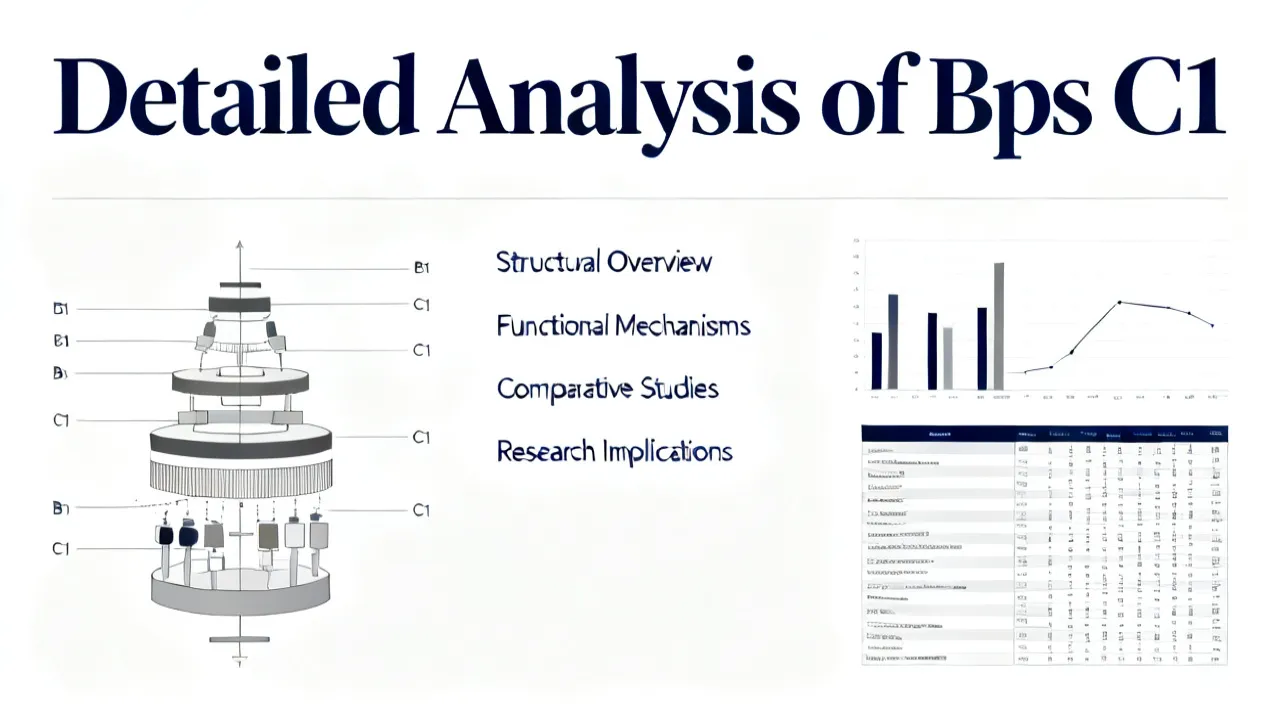
This article delves into the multifaceted applications of Bps C1, exploring its significance in various industries. Bps C1 refers to a class of products or technologies utilized in several sectors, and its prominent role in streamlining processes and enhancing operational efficiency is crucial for organizations aiming for competitive advantage.

This article delves deep into the pivotal role of Bps C1 in modern data systems, providing insights into how Bps C1 functions as a unit of measurement critical for assessing data transfer rates. Bps C1 stands as a measure of bits per second within communication networks, ensuring precise data flow evaluation. In a landscape where data transfer is foundational, the comprehension of Bps C1 is indispensable for industry professionals.

This article delves into payment processing solutions—integral components of contemporary commerce. These solutions facilitate the electronic exchange of funds, streamlining transactions between buyers and sellers. With a multitude of options available, including credit card processing, digital wallets, and mobile payments, the industry has evolved into a complex landscape, necessitating careful selection based on business needs and technological trends.