B2B remittance refers to the process of transferring funds between businesses across borders. This system plays a crucial role in the global economy by facilitating international trade and commerce. Embracing cutting-edge technology and banking innovations, B2B remittance solutions provide faster, more secure, and cost-effective financial transactions for businesses worldwide. This article delves into the intricacies of B2B remittance, its importance, benefits, and industry developments.
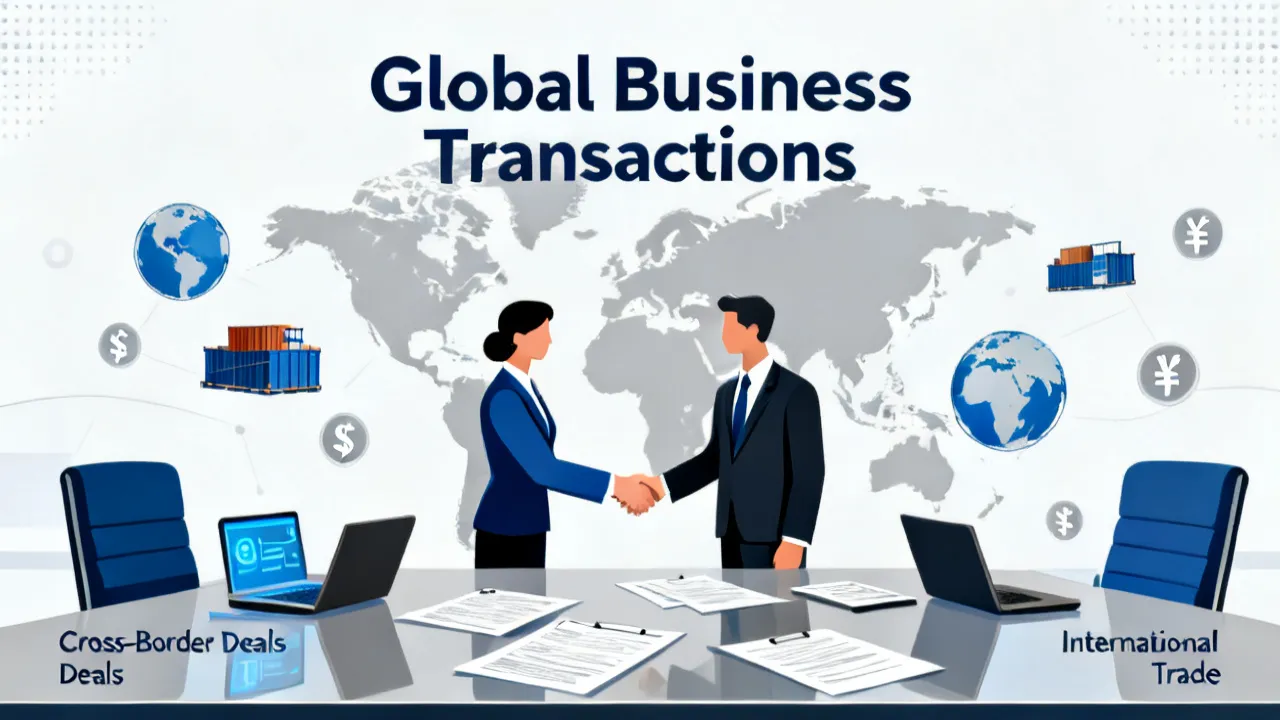
B2B remittance, or business-to-business remittance, is a critical component of global trade, enabling enterprises to transfer money across different countries with ease and efficiency. As businesses expand their operations globally, the need for robust and reliable remittance solutions grows. The primary goal of these solutions is to facilitate trustful and seamless financial transactions across borders, contributing to the interconnected nature of today's global economy. This remittance system primarily involves transactions between suppliers and manufacturers, service providers, and their clients, creating a complex web of financial interdependence that fuels the global market.
In an age marked by globalization, businesses are not confined by geographical boundaries. As they reach out to international markets, the demand for effective cross-border payment solutions emerges. B2B remittance services provide businesses with the essential tools they need to manage these transactions. They help companies mitigate risks associated with currency fluctuations and transfer costs while ensuring compliance with international regulations. Moreover, these remittance solutions can help stabilize supply chains by enabling timely payments, which are crucial for maintaining good relationships with foreign partners and ensuring that operations run smoothly.
Efficient B2B remittance systems contribute to business liquidity, allowing firms to reinvest funds quickly and maintain a competitive edge. Furthermore, they are paramount in fostering trust among international partners, as timely transactions are often viewed as a reflection of a control and operational stability in a business. In essence, B2B remittance not only represents a financial transaction but also symbolizes a commitment to professional integrity and operational efficiency in the business world.
| Provider | Advantages | Limitations |
|---|---|---|
| Provider A | Extensive global network, high security standards, real-time tracking options | Higher fees for smaller transactions, limited customizability in service options |
| Provider B | Competitive exchange rates, user-friendly platform, excellent customer service | Limited regional coverage in certain areas, slower transaction times under high volumes |
| Provider C | API integration for seamless processing, multi-currency support | Complex onboarding process, less responsive support for non-technical clients |
| Provider D | Affordable pricing, advanced compliance tools | Less known in the market, limited support in specific sectors |
The B2B remittance industry is experiencing transformative trends driven by technology. Blockchain technology, for instance, is revolutionizing the way businesses handle cross-border payments by providing an immutable and transparent ledger. This technology allows transactions to be recorded in a way that cannot be altered or deleted, dramatically enhancing the integrity of financial transactions. Moreover, artificial intelligence (AI) is increasingly used for fraud detection and automating routine tasks, enhancing efficiency and security. Companies can leverage machine learning algorithms to analyze transaction patterns, identifying anomalies that may indicate fraudulent activity.
In addition to fraud detection, AI tools can optimize currency conversion processes, helping businesses identify the best rates and choose the optimal times for transactions. Digital identity verification technologies are also evolving, making it easier and more secure for businesses to onboard new clients and partners while ensuring compliance with anti-money laundering (AML) and Know Your Customer (KYC) regulations.
Furthermore, advancements in mobile payment technologies are paving the way for businesses to conduct transactions from their smartphones and tablets, enhancing the flexibility and speed of remittances. As contactless and mobile payment solutions continue to gain traction, it opens new avenues for B2B transactions, particularly in emerging markets where traditional banking infrastructure may be lacking.
As technological advancements continue to evolve, the future of B2B remittance looks promising. Increasing collaborations between fintech companies and traditional banks are expected to yield innovative solutions that cater to the demand for real-time payments and enhanced accessibility. The integration of blockchain and smart contracts will further streamline payment processes, ensuring that transactions are automated and secured without the need for intermediaries.
Moreover, the continuous growth of e-commerce and digital marketplaces will boost the necessity for efficient remittance systems. With e-commerce projected to reach new heights, businesses will require robust remittance systems that can support rapid global transactions and manage multiple currencies seamlessly.
The rise of decentralized finance (DeFi) is also likely to impact the B2B remittance landscape. By leveraging blockchain technology to remove intermediaries and costs traditionally associated with financial transactions, DeFi presents an opportunity for businesses to conduct remittances at lower rates and with faster execution times. However, increased regulatory scrutiny will accompany this shift, requiring businesses to stay ahead by ensuring that their remittance strategies comply with evolving laws.
In conclusion, the future of B2B remittance will not only be defined by technological advancements but will also be guided by the evolving needs of businesses in a changing global landscape. Organizations that stay agile and adapt to these rapidly changing environments will be best positioned to thrive in the competitive market.
In conclusion, B2B remittance systems are vital for businesses with global operations. With continued innovation and the adoption of new technologies, these systems will become faster, more secure, and highly cost-effective, meeting the demands of a growing global market. The interplay of advancements in technology, evolving customer expectations, and stringent regulatory landscapes will shape the future of B2B remittance.
As businesses continue to adapt to the dynamic global environment, integrated B2B remittance solutions will be pivotal in maintaining competitive advantages and fostering strategic partnerships. In this rapidly changing landscape, those who can embrace technology while maintaining a commitment to trust and transparency will undoubtedly emerge as leaders in their fields.




Payment Processing Solutions are integral to modern commerce, facilitating seamless transactions between buyers and sellers. Deploying efficient systems allows businesses to handle payments securely and quickly across various platforms, providing a crucial backbone for ecommerce and traditional retail settings. This article delves into the nuances of payment processing, offering a thorough understanding for businesses looking to enhance their transaction capabilities.
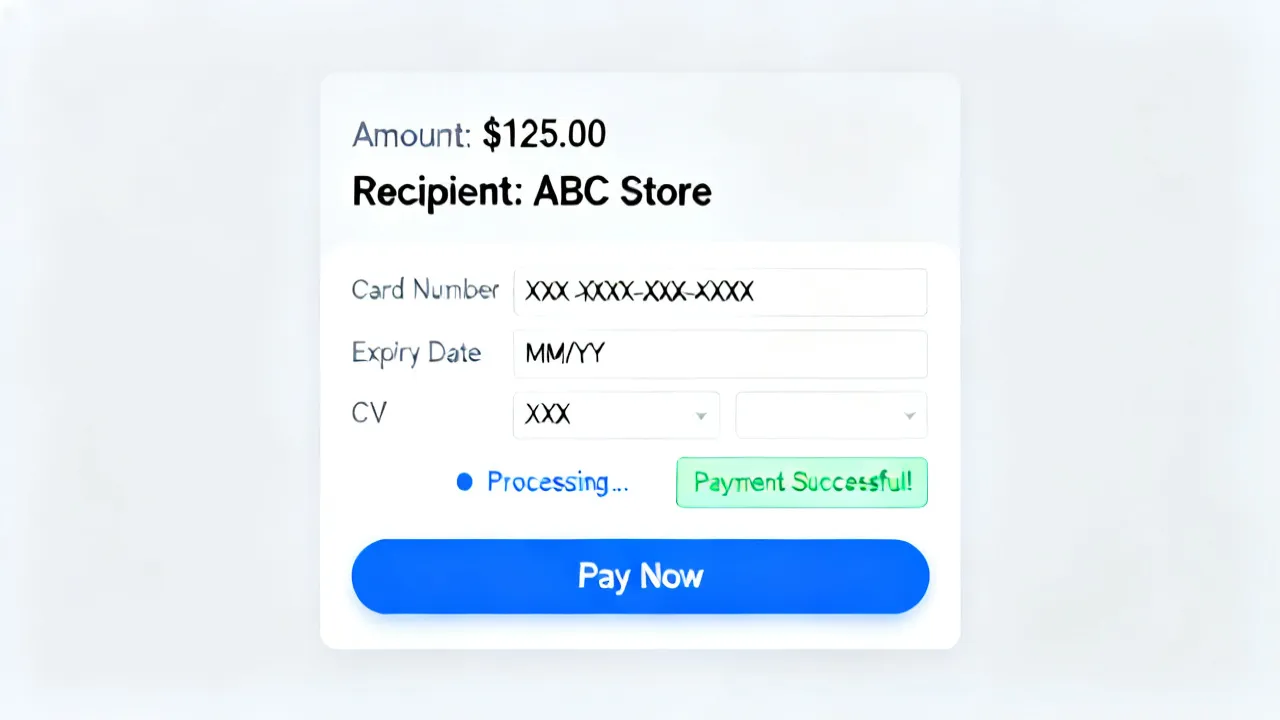
Payment processing solutions are essential systems enabling businesses to handle transactions electronically, facilitating seamless financial activity. With the growing shift towards online and contactless payments, understanding these solutions is vital for businesses to stay competitive and ensure customer satisfaction. This guide explores the intricacies of payment processing, dissecting its components and how businesses can leverage these systems to enhance efficiency and security.

This guide delves into the realm of Payment Processing Solutions, essential for businesses enduring the challenges of efficiently handling financial transactions. These solutions integrate secure, fast, and customer-friendly payment technologies that are crucial for modern commerce, whether in-store or online. By implementing tailored strategies, businesses can optimize operations, reduce costs, and enhance customer satisfaction through seamless payment experiences.
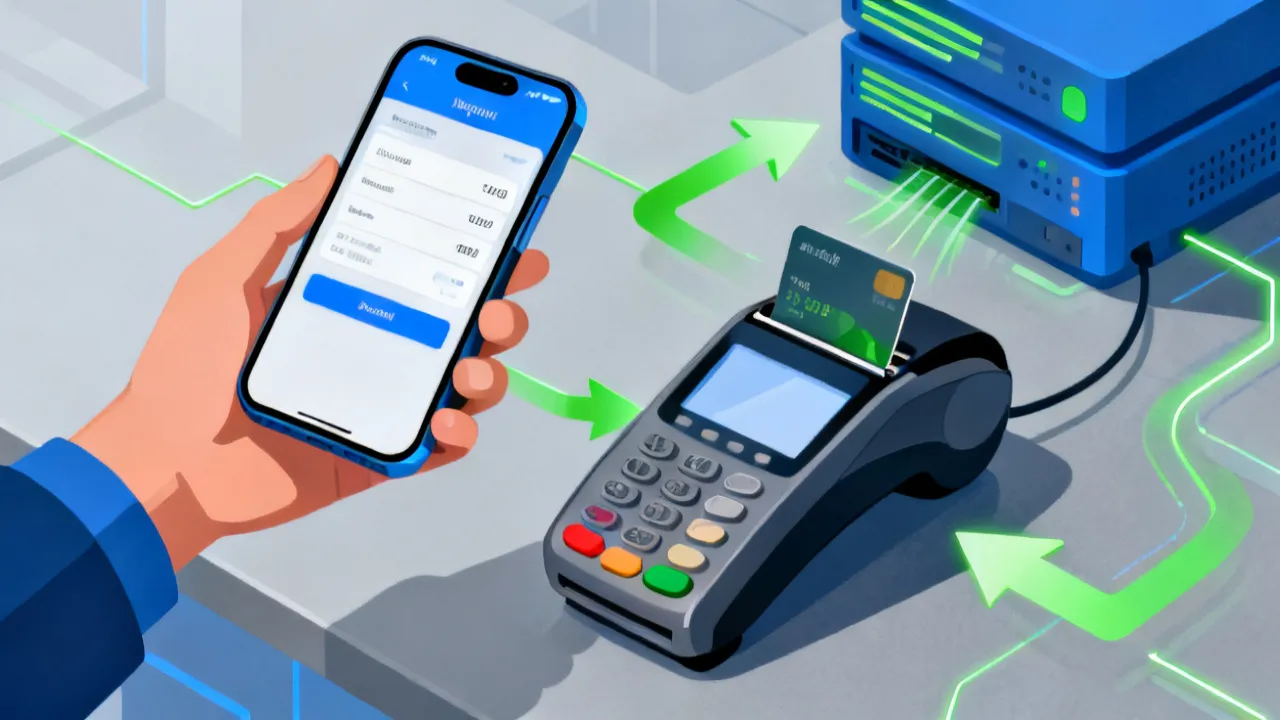
Payment processing solutions are integral to modern commerce, facilitating secure and efficient transactions for businesses worldwide. These systems handle the authorization, transaction, and fund transfer processes, ensuring a seamless experience for both merchants and consumers. From credit cards to digital wallets, they are the backbone of financial transactions, evolving rapidly with technology advances.
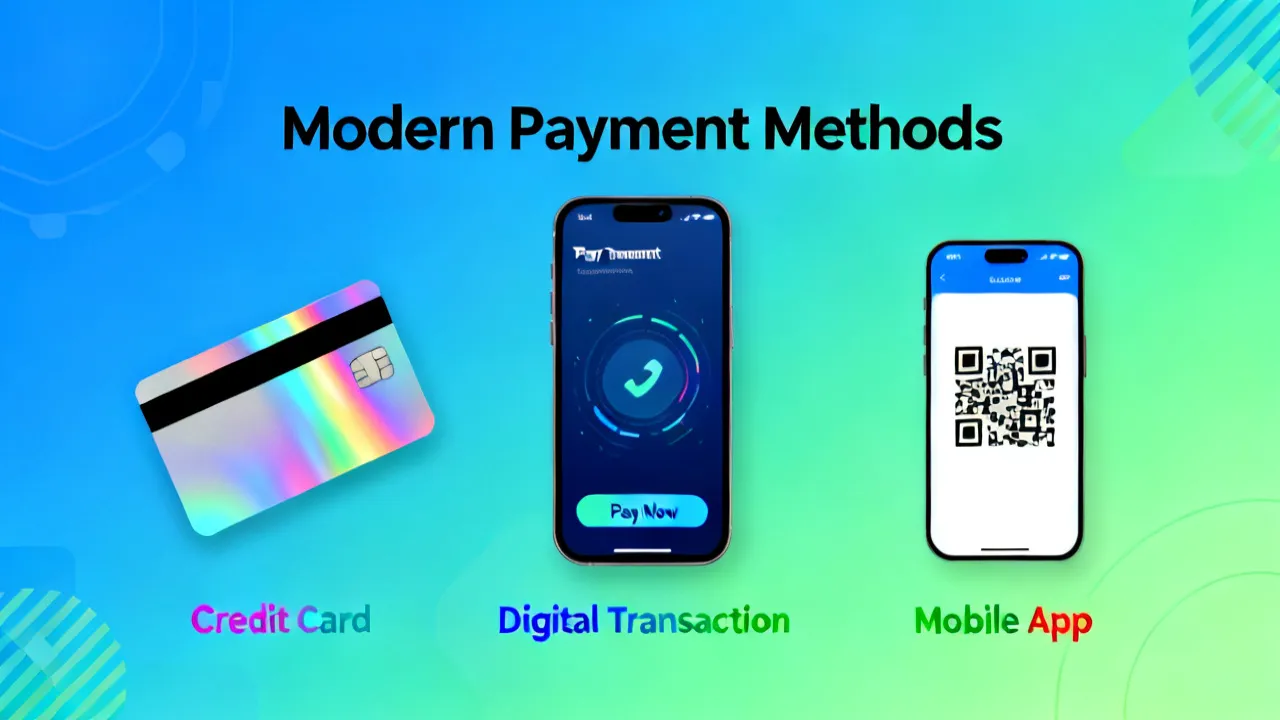
This article delves into the vital role of payment processing solutions in today’s business landscape, highlighting their importance in facilitating transactions between companies and customers. With advancements in technology, such solutions have evolved to ensure increased security, speed, and efficiency for businesses across various sectors.

This article delves into the multifaceted applications of Bps C1, exploring its significance in various industries. Bps C1 refers to a class of products or technologies utilized in several sectors, and its prominent role in streamlining processes and enhancing operational efficiency is crucial for organizations aiming for competitive advantage.

This article delves deep into the pivotal role of Bps C1 in modern data systems, providing insights into how Bps C1 functions as a unit of measurement critical for assessing data transfer rates. Bps C1 stands as a measure of bits per second within communication networks, ensuring precise data flow evaluation. In a landscape where data transfer is foundational, the comprehension of Bps C1 is indispensable for industry professionals.

This article delves into payment processing solutions—integral components of contemporary commerce. These solutions facilitate the electronic exchange of funds, streamlining transactions between buyers and sellers. With a multitude of options available, including credit card processing, digital wallets, and mobile payments, the industry has evolved into a complex landscape, necessitating careful selection based on business needs and technological trends.